


The Colourful Antioxidant Story
While a bowl of grapes might seem uncomplicated, a closer look reveals distinct nutritional profiles, particularly concerning antioxidants. Black grapes often
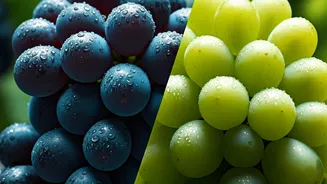
steal the spotlight due to their deep hues, which are indicators of potent plant compounds like anthocyanins and polyphenols. These are renowned for their ability to combat oxidative stress, support cardiovascular health, and offer cellular protection. However, this doesn't relegate green grapes to a lesser status. They possess their own set of merits, contributing vital hydration, a perception of lighter sweetness, and aiding digestive comfort. The prevailing narrative often oversimplifies this, presenting a binary choice when the reality is far more nuanced and beneficial for a balanced intake.
Pigment Power: Anthocyanins and Beyond
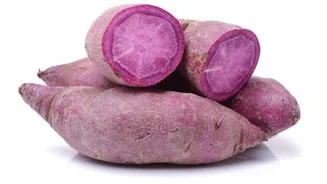
The fundamental distinction between green and black grapes lies in their skin pigmentation. Black grapes are richly endowed with anthocyanins, a vibrant class of antioxidants also found in foods like blueberries and purple cabbage. These compounds not only give grapes their dark allure but also play a crucial role in plant defense mechanisms, which researchers believe translate to protective effects in the human body. While green grapes do contain antioxidants, they naturally have lower concentrations of anthocyanins due to the absence of this intense dark pigment. Beyond anthocyanins, both grape varieties are packed with beneficial compounds such as resveratrol, flavonoids, and other polyphenols, all contributing to reducing inflammation and safeguarding cells from damage.
Antioxidant Champion: Black Grapes Lead
When the primary focus shifts specifically to antioxidant content, black grapes emerge as the clear frontrunners. Their higher concentrations of anthocyanins and resveratrol, as supported by current scientific investigations, grant them a more robust antioxidant capacity. Nevertheless, a holistic approach to healthy eating acknowledges that nutritional value extends beyond a single nutrient. Green grapes, with their refreshing taste and satisfying crunch, remain excellent sources of essential vitamins and minerals, including Vitamin C for immunity and Vitamin K for bone health, alongside beneficial trace elements like copper and potassium.
The Science Behind the Skin
Many popular health trends tend to inflate the significance of antioxidants, but grapes stand out as a fruit with a solid foundation of scientific research. Extensive studies, including those published by reputable institutions like the National Library of Medicine, consistently indicate that darker grape varieties exhibit superior antioxidant activity, directly linked to their higher anthocyanin levels. Resveratrol, a frequently discussed compound found in grapes, is particularly abundant in the skins of darker grapes. Scientists are actively exploring its potential to promote heart health, support graceful aging, and manage inflammation. It's crucial to remember, however, that grapes are part of a larger dietary picture, not standalone miracle foods, and much of the research is ongoing, especially concerning human trials.
Green Grapes: Underrated Nutritional Stars
Green grapes are often unfairly perceived as the 'lighter' option, implying fewer health benefits, which is a misconception. These fruits are remarkably nutrient-dense and offer distinct advantages. Their crisp texture and slightly tangy flavour profile contribute to their enjoyability and encourage regular consumption, a key factor in sustainable healthy eating. High in water content, they are excellent for hydration. They also provide Vitamin C, crucial for immune function, and Vitamin K, vital for bone health. Furthermore, they offer moderate amounts of copper and potassium, and their natural sugars provide a quick, wholesome energy boost. For some individuals, green grapes are also gentler on the digestive system, making them a preferred choice for active lifestyles or as a light pre-exercise snack.
A Balanced Approach to Grapes
Ultimately, the choice between green and black grapes should not be a rigid one. For those prioritizing antioxidant intake, black grapes offer a more concentrated source. Conversely, if a lighter flavour profile and superior hydration are paramount, green grapes excel. The most sensible approach is to embrace nutritional variety by incorporating both types into your diet. The truly healthiest fruit is the one you consistently enjoy and consume, rather than one that languishes uneaten. Remember to thoroughly wash your grapes, as a significant portion of their valuable antioxidants reside in the skin and seeds – peeling them would mean discarding a substantial part of their nutritional bounty.
Sugar Content: A Matter of Context
Grapes frequently face criticism for their natural sugar content, a critique that often overlooks their overall nutritional package. While grapes do contain sugars, they are accompanied by water, fiber, vitamins, and beneficial antioxidants. This complex matrix influences how the body metabolizes these sugars, making them a far better choice than refined sugars found in processed snacks or desserts. A typical cup of grapes contains approximately 15-23 grams of natural sugar, with variations depending on ripeness and variety. Black grapes might taste marginally sweeter, but the difference is generally not substantial. Health experts advise consuming whole grapes to leverage the fiber's ability to slow sugar absorption. For individuals managing conditions like diabetes or insulin resistance, moderation is key, and pairing grapes with protein sources like nuts or yogurt can further help in stabilizing blood sugar responses.