






The Ube Phenomenon
The Indian café scene has evolved dramatically since the first chain opened in 1996, becoming a hub for global trends. From make-your-own desserts to pet-friendly
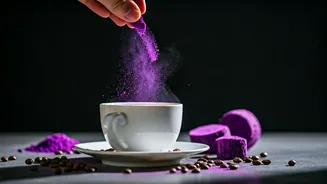
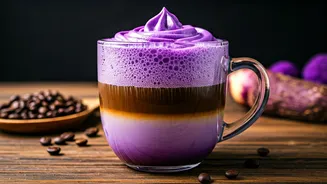
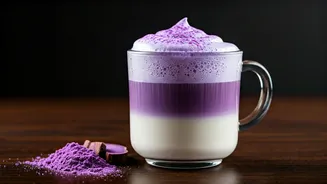
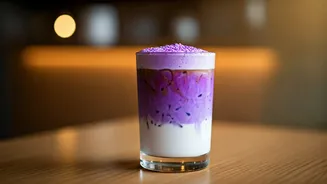
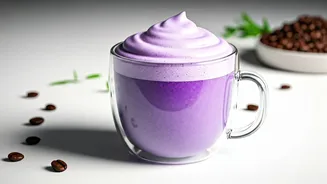
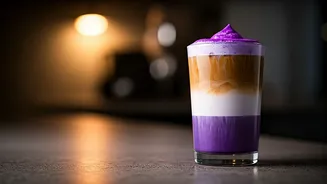
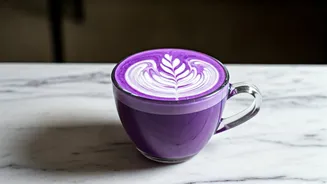
spaces, cafes cater to every whim, often mirroring social media's influence. Currently, the captivating ube coffee trend, characterized by its striking purple color in lattes and iced drinks, has become a staple on many menus, reflecting a desire among Indian consumers to stay abreast of international culinary fads and enjoy visually appealing beverages.
Unveiling Ube's Identity
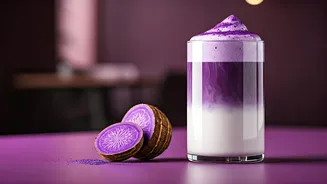
At its core, ube, also known as purple yam, is a staple ingredient originating from Filipino cuisine. This root vegetable is celebrated for its naturally sweet profile, intense purple colour, and smooth, creamy texture, making it a popular choice for desserts. Traditionally incorporated into sweets like cakes and ice cream, ube is now finding its way into coffee beverages, not only for its aesthetic appeal but also to impart a unique flavour and smooth consistency to drinks like frothy lattes and chilled coffees.
Ube's Nutritional Profile
Beyond its visual allure and trendiness, ube offers potential health advantages. Scientifically, it is a good source of carbohydrates, potassium, and Vitamin C. Furthermore, it contains beneficial plant compounds and antioxidants, such as anthocyanins, which are recognized for their ability to help lower blood pressure and reduce inflammation. The flavonoids present in ube may also contribute to improved blood sugar management for individuals with Type 2 diabetes, support lower blood pressure, and enhance overall gut health, positioning it as a nutritious addition to the diet.
Decoding Ube Lattes
While the inherent health benefits of ube are noteworthy, the way it's prepared in café-style coffees warrants consideration. Many commercially prepared ube lattes often include added sugars, syrups, and rich cream. These additions can significantly alter the overall health profile of the drink, potentially making it less beneficial than a standard coffee. Although ube itself can be helpful for managing diabetes, the accompanying ingredients in many café versions might counteract these positive effects. Therefore, opting for a low-sugar variant made with healthier ingredients is advisable for a more beneficial experience, with occasional enjoyment being the most prudent approach.