




The Biryani Revelation
Biryani is more than just a meal in India; it's a cultural cornerstone, a symbol of celebration and togetherness. From intimate family gatherings to grand
festive occasions, its aromatic presence is a constant delight. Yet, in a country where culinary traditions branch into countless regional interpretations and household variations, the preparation of biryani often becomes a spirited topic of discussion. Is it meant to be fiery or subtly spiced? Cooked using the slow 'dum' method or a quicker pressure cooker approach? Despite these differing opinions, the universal adoration for this layered masterpiece of rice, succulent meat, and an intangible magic remains a powerful unifier. For many home cooks, attempting to replicate restaurant-quality biryani can be an intimidating endeavor. The instinct might be to add a multitude of spices in pursuit of that robust flavor punch, only to find the outcome a confused and muddled taste. However, a recent revelation from Hyderabad offers a captivating alternative: perhaps the key to achieving biryani perfection lies not in an abundance of ingredients, but in a carefully curated selection, a stripped-down approach that allows the core components to truly sing.
Simplicity's Winning Formula
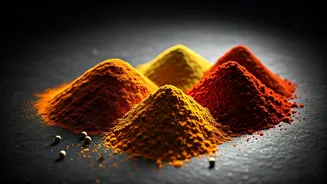
A fascinating development originating from Hyderabad is capturing widespread attention, suggesting that the ultimate culinary hack might be found in radical simplicity. This isn't a theoretical musing from a high-end chef, but a practical insight gleaned from a cook with extensive experience preparing biryani for large-scale wedding celebrations, feeding hundreds of guests. In a brief video conversation shared by Chef Velton Saldanha on Instagram, this culinary expert disclosed that the secret to an impeccably flavorful biryani boils down to an astonishingly small set of ingredients: just four key spices. These fundamental components, alongside essential elements like rice, meat, ghee, and basic pantry staples, are all that are required to achieve the celebrated taste. Chef Saldanha identified these four unassuming yet potent spices as Daalchini (cinnamon), Laung (cloves), Shahi jeera (black cumin), and Hari elaichi (green cardamom). Their strategic inclusion, according to this seasoned cook, is precisely what distinguishes a truly authentic and delicious Hyderabadi biryani, dispelling the notion that more complex spice blends are necessary.
Why Just Four Spices?
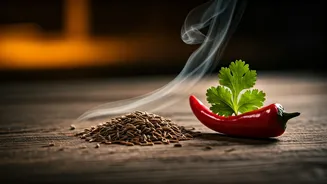
The rationale behind limiting biryani's spice palette to just four core ingredients is rooted in the principle of flavor harmony. When too many spices are combined, they can frequently compete with each other, leading to a "confused flavour profile" where no single taste stands out. By restricting the selection to these chosen four, the natural, inherent flavors of the meat and the rice are allowed to take center stage, beautifully enhanced by the richness of ghee and the fragrant aromatics. Each spice plays a distinct and vital role: cinnamon contributes a warm, sweet undertone; cloves offer a robust, earthy bite that adds depth; shahi jeera, or black cumin, imparts a subtle nutty smokiness that is characteristic of traditional preparations; and green cardamom lends a fresh, slightly floral note. Together, these spices create a complex yet balanced flavor profile that complements rather than overpowers the primary ingredients. This restrained approach is particularly crucial in traditional wedding biryanis, which are often slow-cooked in large, traditional pots (deghs) over wood fires. These cooking methods thrive on such simplicity, allowing for the development of deep, smoky layers of flavor that are both soothing and intensely satisfying to the palate. The cook's dismissal of additional spices underscores the pursuit of this quintessential Hyderabadi essence.
Regional Variations and Reactions
The revelation of these four secret spices has naturally ignited a wave of discussion and debate among biryani aficionados, underscoring the diverse and often passionate perspectives on authentic preparation methods across India. Chef Saldanha, acknowledging the potential controversy, aptly captioned his Instagram post with "Don't shoot the messenger," a sentiment that resonated with the varied online reactions. While many celebrated the elegance and practicality of this simplified approach, others staunchly defended regional specialties and traditional ingredient lists. Conversations quickly touched upon well-known variations, such as the inclusion of potatoes in Kolkata biryani or the characteristic tartness found in Lucknow's version. The Hyderabadi style itself is deeply influenced by its Mughlai culinary heritage, with a strong emphasis on the 'dum' technique – a slow cooking method where flavors are allowed to meld and deepen over time. For home cooks, this means moving away from pre-packaged biryani masala mixes, which often contain a generic blend of spices, and instead embracing a more nuanced understanding of how individual spices contribute to the overall dish. This viral insight encourages a return to basics, focusing on the quality of primary ingredients and a thoughtful selection of spices to achieve that coveted, authentic flavor.