




Screen Time's Silent Toll
The allure of late-night scrolling and binge-watching often leads to prolonged screen exposure before bed. This habit has a significant detrimental effect
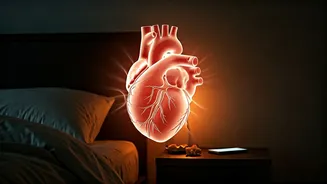
on our bodies, particularly our cardiovascular systems. The blue light emitted from these devices actively tricks the brain into believing it's still daytime. This suppression of melatonin, the hormone crucial for signaling sleep, directly delays its release. Consequently, individuals experience a shorter and less restorative sleep cycle. Dr. Sharma highlights a concerning statistic: nighttime light exposure can escalate the risk of cardiovascular conditions by an alarming 30% to 50%. Essentially, by keeping our brains alert and our sleep patterns disrupted, screens inadvertently break the essential rhythm that our heart relies upon for recovery and optimal function.
The Caffeine Deception
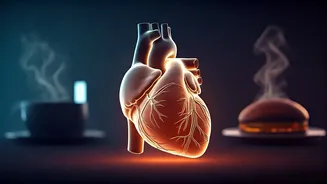
That comforting evening cup of coffee or tea, often a ritual to unwind, can harbor hidden dangers for your heart. Caffeine possesses a remarkably long half-life, meaning it lingers in your system for far longer than many realize. The US Food and Drug Administration (FDA) indicates that caffeine can remain active in the body for up to 6 hours or even more. This prolonged stimulation of the nervous system leads to an elevated heart rate and actively interferes with the body's natural transition to rest. Even a 7 pm coffee can still be significantly impacting your system at midnight, preventing your heart from achieving the necessary downtime. The subsequent poor sleep quality from caffeine's persistence can then cascade into elevated blood pressure the following day, creating a vicious cycle of stress on the cardiovascular system.
Late Dinners' Strain
For many, dinner represents the largest meal of the day, often consumed late in the evening. This practice places an undue burden on the body when it should be preparing for rest and repair. When you eat late, your body is forced to engage in intense digestive processes during a time designated for winding down. This diverts vital blood flow towards the digestive system, compelling the heart to work harder to maintain circulation throughout the body. Such activity disrupts the natural dip in blood pressure that typically occurs at night. Dr. Sharma elaborates that consuming meals within two to three hours of bedtime can negatively impact nighttime blood pressure regulation and glucose metabolism. A significant government-backed study further links late-night eating to an increased risk of obesity and poorer metabolic health, underscoring that early, lighter dinners are crucial for allowing the heart its much-needed rest.
Evening's Underrated Recovery
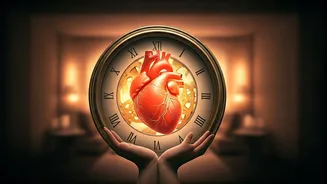
While evenings may feel like a period of relaxation and personal time, they are critically important for the heart's recovery processes. After 7 pm, the body naturally begins a circadian recovery phase where blood pressure, heart rate, and metabolic activity gradually slow down. This period is essential for repairing the day's wear and tear. However, many common evening habits actively disrupt this natural rhythm. These include engaging in intense activities, consuming stimulating substances, or even succumbing to unhealthy snacking. Dr. VP Sharma emphasizes that disrupting this vital recovery phase places unnecessary strain on the cardiovascular system. The cumulative effect of these seemingly small, ongoing disruptions after the day should have ended can gradually push the heart into a state of chronic stress, undermining its long-term health.
Salty Snacks' Pressure
The temptation for salty snacks like chips or namkeen late in the evening is a common pitfall that significantly impacts blood pressure. These processed foods are typically loaded with sodium. Dr. Sharma explains that the high sodium content causes the body to retain excess water. This retention increases the overall volume of blood that the heart must pump, leading to an elevated workload. Consequently, blood pressure rises at a time when it should naturally be declining. This isn't merely about consuming extra calories; it directly contributes to increased pressure within the arteries, creating a detrimental effect on cardiovascular health during the critical nighttime recovery period.
Alcohol's Sleep Illusion
Many individuals turn to alcohol in the evenings, perceiving it as a sleep aid due to its initial drowsy effect. However, this perception is misleading, as alcohol profoundly disrupts the sleep cycle. While it may induce drowsiness, the sleep that follows is fragmented and of poor quality. Dr. Sharma warns that alcohol consumption can also lead to heart arrhythmias, or irregular heart rhythms, particularly during the night. These disruptions can often go unnoticed for extended periods. Alcohol is consistently identified as a significant risk factor for developing high blood pressure and various heart diseases, demonstrating that while the body may fall asleep, the heart remains in an unsettled and stressed state.
Procrastinating on Sleep
The habit of 'revenge bedtime procrastination,' where individuals delay sleep to reclaim personal time, carries substantial health implications. Each extra scroll, every additional episode watched, contributes to sleep deprivation. Dr. Sharma points out a concerning association: persistent 'night-owl' sleep patterns are linked to a significant increase, up to 16%, in the risk of heart attack or stroke. The American Heart Association (AHA) also corroborates this, connecting insufficient sleep duration and irregular sleep timing directly to heightened cardiovascular risk. It's crucial to understand that sleep is not a passive state; it's an active period during which the heart undertakes vital repair processes. By consistently shortening this essential recovery time, individuals compromise their heart's ability to heal and function optimally.
Late Evening Activity
Evenings are often a time when people try to 'catch up' on various activities, from late work calls to intense workouts or even smoking. Unfortunately, all these actions share a common detrimental effect: they elevate cortisol levels and stimulate the heart. Dr. Sharma strongly advises against engaging in strenuous physical activity late in the evening, as it keeps the body in a state of heightened alert. Nicotine, in particular, poses a severe threat by constricting blood vessels and significantly raising blood pressure. The World Health Organization (WHO) identifies tobacco use as a primary global contributor to cardiovascular disease. When the body is subjected to such stimulation, it cannot adequately relax and enter its necessary restorative phase, placing an ongoing strain on the heart.