



Beyond the Bridal
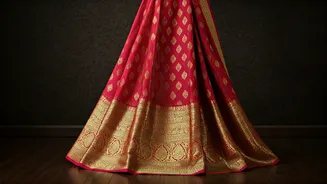
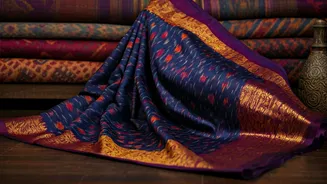
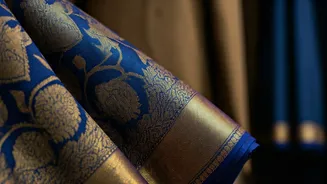
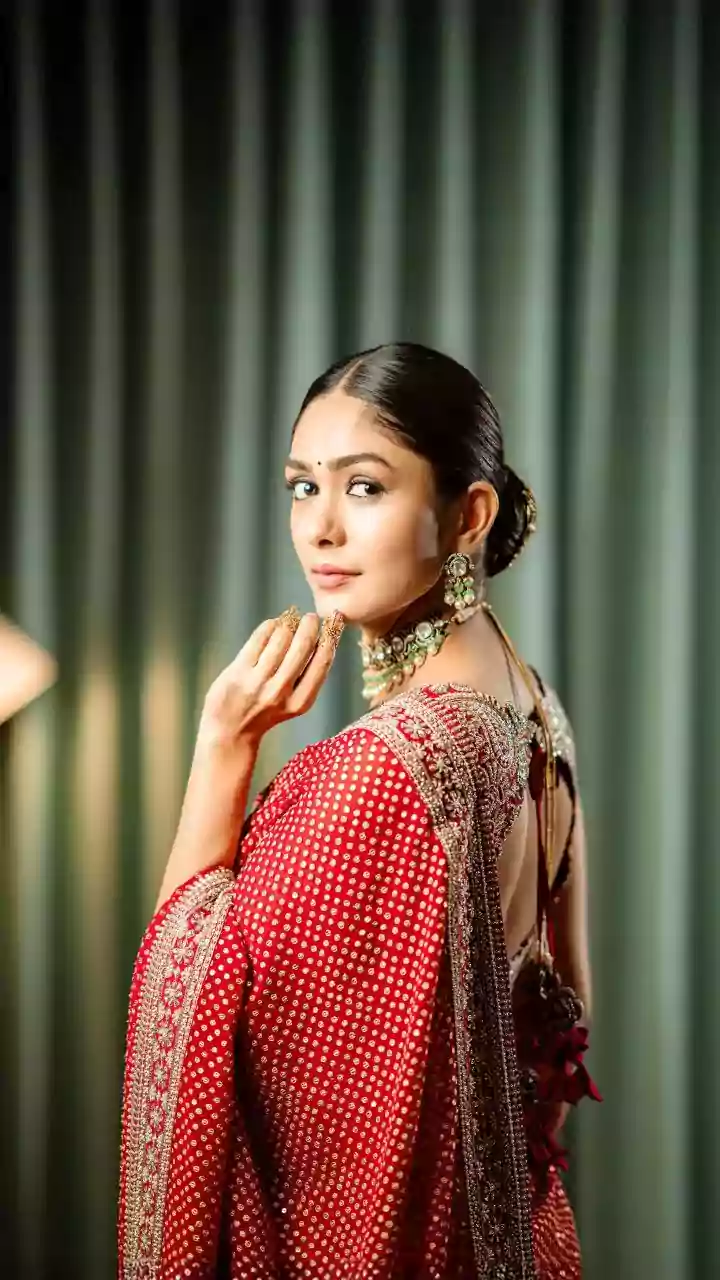
For generations, the mention of Banarasi fabric conjured images of elaborate silk sarees, carefully preserved for significant life events like weddings.
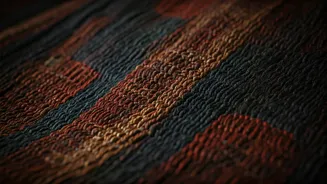
This luxurious textile, synonymous with tradition and family heritage, was rarely seen outside these formal celebrations. However, a significant shift is underway, liberating Banarasi from its ceremonial confines. Today, this exquisite weave from Varanasi is embracing a new identity, being transformed into contemporary garments such as stylish corsets, coordinated sets (co-ords), chic jackets, and avant-garde silhouettes that are a world away from its ceremonial past. This evolution signifies a revitalized appreciation for Indian textiles, integrating them seamlessly into modern wardrobes and everyday life, proving that heritage can indeed be both timeless and cutting-edge.
Celebrity Style Innovations
The resurgence and modernization of Banarasi silk are significantly propelled by influential figures in the fashion world, particularly Bollywood celebrities and their stylists. The fabric's journey from a predictable, occasion-bound material to a versatile style element is evident in how it's being worn. Consider the impact of a performer like Bhumi Pednekar, who showcased a striking Banarasi corset. This piece, layered elegantly over a crisp shirt and paired with voluminous pants, represented a bold departure from traditional norms. It masterfully blended the intricate artistry of Indian textiles with the structured aesthetics of global fashion trends, creating a look that felt decidedly contemporary rather than overtly ceremonial. Furthermore, the re-engineering of the Banarasi fabric into such innovative forms highlights a growing focus on sustainability and repurposing, breathing new life into traditional textiles.
Reimagining Festive Wear
The Banarasi lehenga, long associated with opulent and often excessive bridal attire, is also experiencing a subtle yet significant transformation. Stars like Alia Bhatt have championed lighter, more understated iterations of this traditional garment, moving away from heavily embroidered pieces that are typically worn only once. Her choice of a Banarasi lehenga for a festive gathering emphasized comfort and reusability, shifting the focus from sheer grandeur to practical wearability. This approach resonates with a younger generation that increasingly prioritizes versatile and adaptable festive dressing. It signals a broader cultural movement towards more mindful consumption in fashion, where traditional garments are reinterpreted to fit contemporary lifestyles and preferences, allowing for repeated enjoyment and broader styling possibilities beyond the confines of a single event.
Entering Formal Ensembles
Banarasi fabric is now making its way into professional and formal wardrobes, spaces where it was previously seldom seen. An example of this expansion is demonstrated by Karisma Kapoor, who adorned a Banarasi brocade jacket paired with impeccably tailored trousers. This ensemble exemplifies how the rich texture and intricate patterns of Banarasi silk can be effectively integrated into contemporary, professional silhouettes. It represents a subtle yet profound evolution, allowing the textile to transcend its association with celebrations and occasions. By embracing workwear-inspired looks, Banarasi is being repositioned as a sophisticated option for everyday expression and professional settings, proving its adaptability and enduring appeal across diverse sartorial contexts.
Experimental Silhouettes Emerge
The boundaries of Banarasi textile usage are being pushed even further by a new wave of actors and designers who are experimenting with entirely novel garment forms. Sanya Malhotra, for instance, has embraced Banarasi brocade in dresses that completely diverge from traditional saree and lehenga designs. These outfits, described as both structured and fluid, effectively position Banarasi as contemporary occasion wear. They offer a look that is effortless, slightly unconventional, and a significant departure from its saree-centric heritage. Designers are also instrumental in this shift, with labels creating jackets, skirts, and co-ord sets from Banarasi silk. This is more than just reinvention; it's a strategic repositioning of the textile to align with current fashion trends that emphasize versatility, individuality, and a modern aesthetic.