




Fashion's Cultural Impact
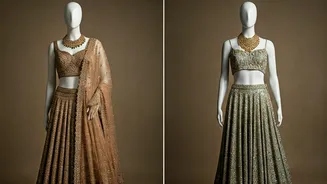
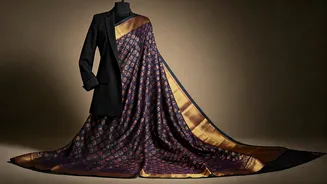
Fashion acts as a vibrant cultural force. Styles reflect the era, with historical trends often resurfacing with a modern twist. The way people dress conveys
messages about their identity, beliefs, and place in society. Fashion designers often draw inspiration from art, music, and social issues, creating collections that spark conversations and challenge norms. Moreover, fashion helps build a sense of community. Through shared style choices, people form connections and express belonging. Fashion's influence extends far beyond the surface, touching on themes of self-expression, identity, and social commentary. It also reflects values such as sustainability and ethical production, which are driving change in the industry. As societies evolve, fashion is sure to keep mirroring and shaping them.
Trends and Transformations
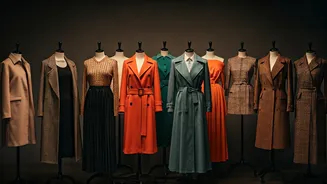
Fashion trends are in constant flux, moving with social and technological changes. What's considered stylish shifts due to a complex mix of celebrity influence, social media, and innovative designs. Styles that were once considered cutting-edge, like the miniskirt or ripped jeans, became mainstream. Social media has become a powerful trendsetter. Platforms such as Instagram and TikTok quickly spread new styles and influence consumers. The rise of fast fashion allows people to quickly experiment with new looks. At the same time, this has also boosted awareness about the need for sustainability. Designers are experimenting with eco-friendly materials and ethical production processes, leading to more conscious consumption. The fashion industry continues to find innovative methods to blend new trends with established styles, as it changes.
Influencers and Icons
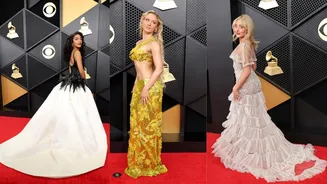
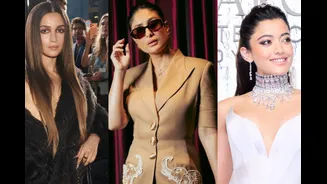
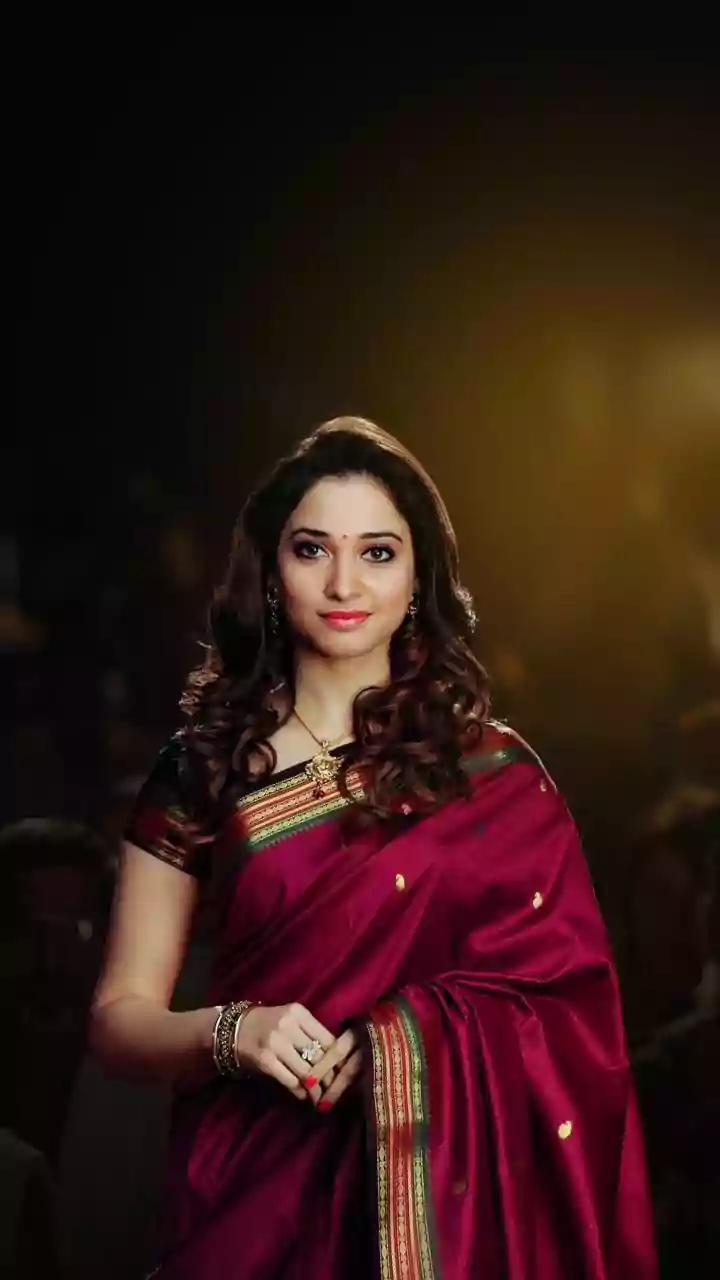
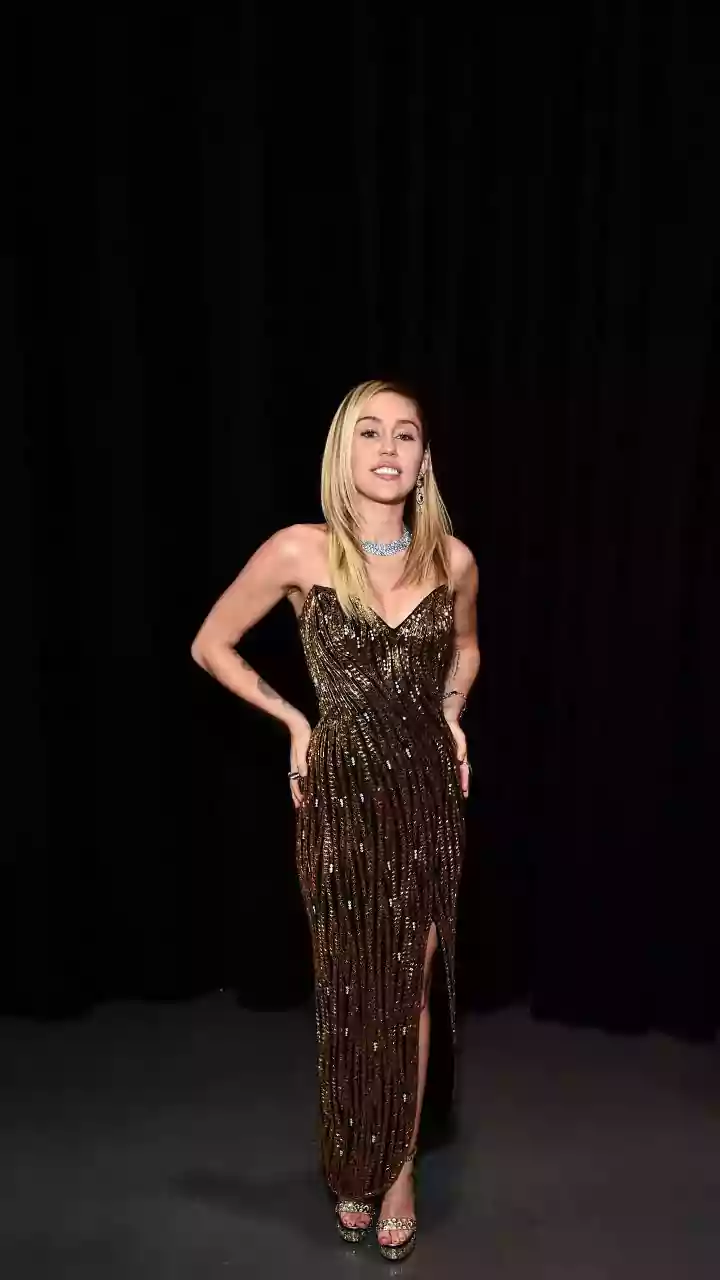
Fashion's icons play a huge role in setting trends. Celebrities, influencers, and fashion experts hold significant sway over what people choose to wear. Designers frequently collaborate with influential people to boost their collections and reach wider audiences. Social media has transformed the world of influence. Influencers now shape public opinion and drive trends by showing off new styles and creating fashion content. Icons like designers, models, and trendsetters have a big impact on style. They promote specific brands and create a connection with their followers. Their preferences inspire trends and encourage people to experiment with different looks. This dynamic interaction between celebrities, influencers, and audiences is essential to the constant evolution of fashion.
Challenges and Futures
The fashion industry encounters many challenges. Issues such as overproduction, waste, and unethical labor practices remain. Environmental concerns are driving a shift toward sustainable practices, with companies adopting circular economy models, using recycled materials, and promoting fair working conditions. The industry is also evolving with technological advancements. The use of digital tools to create designs, show collections, and personalize shopping experiences are changing the consumer landscape. Fashion's future includes a greater emphasis on personalization. Brands are starting to offer custom-made items to meet the needs of their customers. As the industry evolves, fashion's future will emphasize sustainability, technological innovation, and ethical principles.