





Founding Vision
Established in March 2016 by Simran Lal and Raul Rai, Nicobar embarked on a mission to forge a design-led lifestyle brand. Their vision was to intertwine
Indian cultural heritage with global relevance, catering to a contemporary consumer. Lal brought extensive experience in shaping India's luxury market, while Rai contributed a strategic financial perspective. Their foundational inquiry revolved around defining what modern Indian living truly embodies. This exploration led to the creation of Nicobar, a brand envisioned to encompass clothing, home decor, travel essentials, and gifting, all unified by a commitment to natural materials, fluid silhouettes, and an aesthetic inspired by the serendipity of the Indian Ocean. The brand's name itself, referencing the island chain between India and Southeast Asia, evokes natural beauty and a sense of ease, symbolizing movement, cultural exchange, and journeys along ancient spice routes. This carefully curated identity aimed to present a contemporary perspective on Indian life, dressing, and worldview.
Design Philosophy
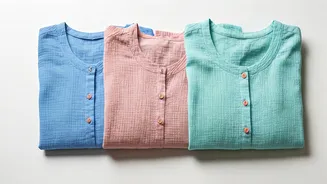
The launch of Nicobar in 2016 coincided with a fashion landscape heavily favouring structured and fitted garments, such as skinny jeans and tailored kurtas. In contrast, Nicobar championed a quieter, yet profoundly different, approach centered on comfort and ease. This design ethos was expertly shaped by Aparna Chandra, who joined the founding team early on. The brand's aesthetic emphasized the use of natural fabrics like cotton, mulmul, and silk, often presented in understated, neutral palettes that were enlivened by playful prints, motifs, and occasional vibrant color accents. White served as a recurring foundational color, providing a versatile canvas for these distinctive design elements. This focus on relaxed silhouettes, breathable materials, and a subtly Indian aesthetic resonated deeply with well-traveled urban Indians seeking effortless yet culturally rooted clothing. The brand's rapid expansion across major cities and the cultivation of a devoted following within a few years underscored the success of this distinctive design strategy. By its tenth anniversary, Nicobar had evolved significantly, boasting over thirty retail outlets nationwide and a robust e-commerce presence, solidifying its position as a comprehensive lifestyle brand.
Iconic Symbol
Early in its trajectory, the brand introduced a garment that would swiftly become emblematic of its identity: a simple polka dot dress. Customers affectionately christened it the 'Nico Dress.' This piece perfectly encapsulated Nicobar's relaxed aesthetic, characterized by its lightweight, breathable fabric and effortless styling versatility. It could be worn as a standalone piece, layered for different occasions, or adapted across various seasons, proving universally flattering and easy to integrate into diverse wardrobes. The Nico Dress quickly gained widespread recognition, frequently selling out and appearing prominently across social media platforms, thereby cementing a recognizable Nicobar brand image. For a relatively young company, this single garment was instrumental in translating the brand's overarching philosophy into a tangible, easily understood product. It served as a powerful ambassador, communicating the brand's essence of comfort, ease, and understated Indian chic to a broad audience, significantly contributing to its early market traction and consumer connection.
Expanding Horizons
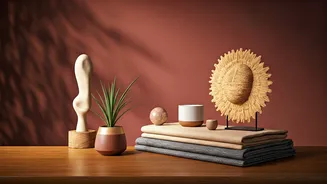
While clothing remained a cornerstone, Nicobar consistently positioned itself as a lifestyle brand rather than solely a fashion label, a distinction that guided its product diversification. Over time, the brand strategically expanded its offerings into home décor, tableware, and ceramics. These categories featured items like brass bowls, patterned cushions, and serving platters, all designed to infuse living spaces with the same sophisticated and serene design sensibility that defined its apparel. Subsequently, travel accessories were introduced, including tote bags, toiletry kits, scarves, and travel jewelry, reinforcing the brand's emphasis on mobility and effortless living. Interestingly, a category that founders initially hadn't foreseen as a major focus – gifting – emerged as a significant area of growth. Customers began purchasing mugs, coasters, and home accessories as presents, with alphabet mugs becoming particularly sought-after items. The brand recognized that gifting was increasingly serving as an accessible entry point for new customers discovering Nicobar. This shift was entirely organic, driven by customer behavior, prompting the brand to invest more deliberately in curated packaging and dedicated gifting collections. Today, gifting remains a robust category and a vital component of the Nicobar retail experience.
Evolving Audience
Nicobar's customer base has evolved in tandem with the brand over the past decade, spanning a wide age demographic that the founders intentionally cultivate. Raul Rai emphasizes that Nicobar deliberately avoids segmenting its audience by age, instead focusing on a shared mindset. The brand identifies its ideal consumer as someone possessing a global outlook, exhibiting curiosity about product origins and manufacturing processes. Rai posits that if this psychographic profile is present, age becomes an inconsequential factor. This inclusive philosophy extends internally to the company culture. Rai frequently highlights the significance of the team, describing them as the brand's heart and a close-knit group where ideas are freely exchanged, and individuals feel a genuine investment in the brand's development. He often invokes the philosophy of 'Ubuntu' – the concept that 'I am because we are' – to articulate the belief that Nicobar's success is a collective achievement, built upon the contributions of its team and the enduring loyalty of its customers who have remained deeply committed to the brand's vision over the years.
Cultural Platform
As Nicobar approached its tenth anniversary, the founders contemplated the brand's potential to engage with broader societal roles. A pivotal development emerging from this reflection is Nico Eco, an ecological initiative spearheaded by Simran Lal. This project is dedicated to exploring the intersection of design, culture, and environmental stewardship. Rather than operating as a conventional sustainability program, Nico Eco aspires to foster a cultural movement centered on ecological awareness and restoration. For the brand's founders, this initiative embodies a profound conviction that businesses should contribute to society in ways that extend beyond mere commercial expansion. This commitment signals a broader ambition for Nicobar, transforming it from a lifestyle brand into a platform for cultural dialogue and positive environmental impact.
Next Chapter
The tenth-anniversary milestone signifies the commencement of a new phase for the brand. The anniversary presentation itself mirrored this transitional spirit, eschewing a traditional runway format for a more celebratory event. The evening commenced with an introduction to NicoEco, offering a preview of the initiative's ecological vision. This was followed by Nicobar’s debut evening wear collection, which introduced shimmering elements, a departure from the brand's typical avoidance of overtly decorative surfaces. Nevertheless, these pieces retained the brand’s signature sensibility: subtle, restrained, and celebratory rather than overtly glamorous. The NicoBaraat collection, designed as an interpretation of occasion wear, emerged as a particularly exciting moment, featuring lehengas with layered silhouettes, checks, florals, and color combinations not commonly associated with traditional Indian bridal attire, presenting a fresh, contemporary take on celebratory dressing for a new generation. A significant collaboration with designer Rajesh Pratap Singh, renowned for his precise tailoring and minimalist aesthetic, brought a refined menswear perspective to the Nicobar style. Aparna Chandra described the collaboration as deeply respectful of craft, highlighting Singh's exceptional technical skill and integrity in garment construction. This collection and initiative mark the beginning of an exciting new chapter for Nicobar.