







The Pink Choice
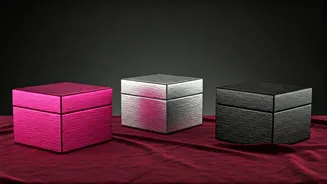
Opting for the soft pink gift box suggests a core fear of rejection or not being appreciated. Individuals drawn to this color often prioritize harmony
and connection, striving to be the peacekeepers in their relationships. They may go to great lengths to avoid conflict and can fear being perceived as burdensome or unlovable by loved ones. This tendency, while often stemming from a desire to foster good relationships, can lead to a sense of depletion and a fear of not being enough. To counteract this, learning to assert boundaries and understanding that self-worth isn't contingent on external validation is crucial. Practices like journaling unspoken thoughts can provide a safe outlet for expressing feelings that might otherwise be suppressed in the interest of maintaining peace.
The Metallic Choice
A fascination with the sleek, metallic gift box points towards an underlying fear of losing control or failing to meet expectations. Those who gravitate towards this option often exhibit high levels of competence and organization, meticulously planning their lives and striving for perfection. While this drive fuels significant achievements, it also masks a deep-seated anxiety about things unraveling or not measuring up. The constant pursuit of an impeccable image can prevent true relaxation and lead to burnout. Embracing the concept of 'progress over perfection' is key, as is consciously allowing oneself to delegate tasks, acknowledging that not every situation requires direct personal intervention, and that imperfections are a natural part of life.
The Black Choice
Selecting the mysterious black gift box indicates a primary fear of uncertainty and hidden instability. Individuals drawn to this box value predictability and security above all else, often maintaining a controlled environment and a select inner circle. Their greatest apprehension lies in unexpected events or unseen threats that could disrupt their carefully constructed sense of order. While this preparedness makes them incredibly resilient in crises, it can also foster a sense of isolation and rigidity. Developing a 'worry window,' a dedicated time to acknowledge and process anxieties before setting them aside, can be beneficial. This approach helps in recognizing that while stability is important, embracing a degree of uncertainty can also open doors to new and enriching experiences.