



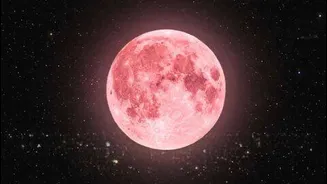
Viewing the Pink Moon
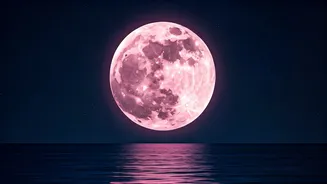
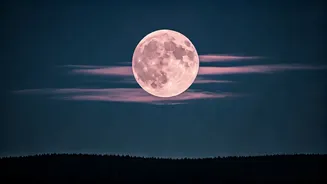
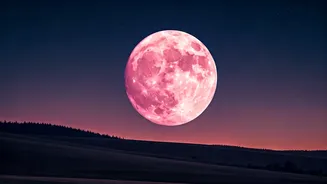
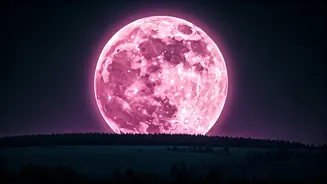
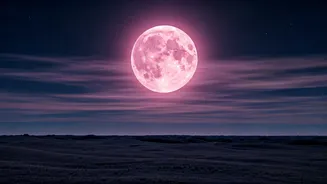
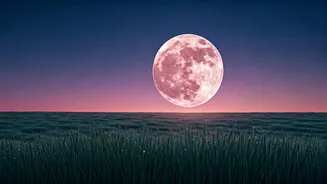
Prepare for a stunning celestial event as the first full moon of spring, known as the 'Pink Moon,' approaches. While it reaches its peak illumination on the early
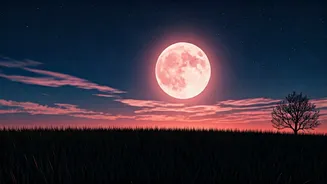
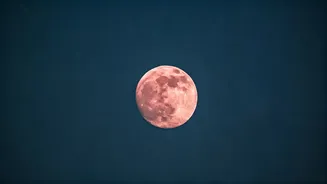
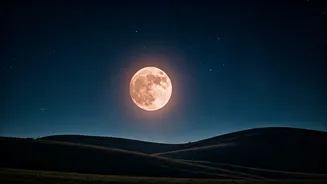
morning of April 2nd, the evening of April 1st offers the prime opportunity for observation. As the moon ascends above the horizon, it presents its most dramatic appearance, inviting skywatchers to step outside and witness this monthly lunar highlight. Although the name suggests a rosy hue, the moon is more likely to display warm tones of orange or golden yellow due to atmospheric effects. For the best visual experience, aim to catch it as it begins its ascent, promising a memorable display for all who look up.
The Pink Moon's Name
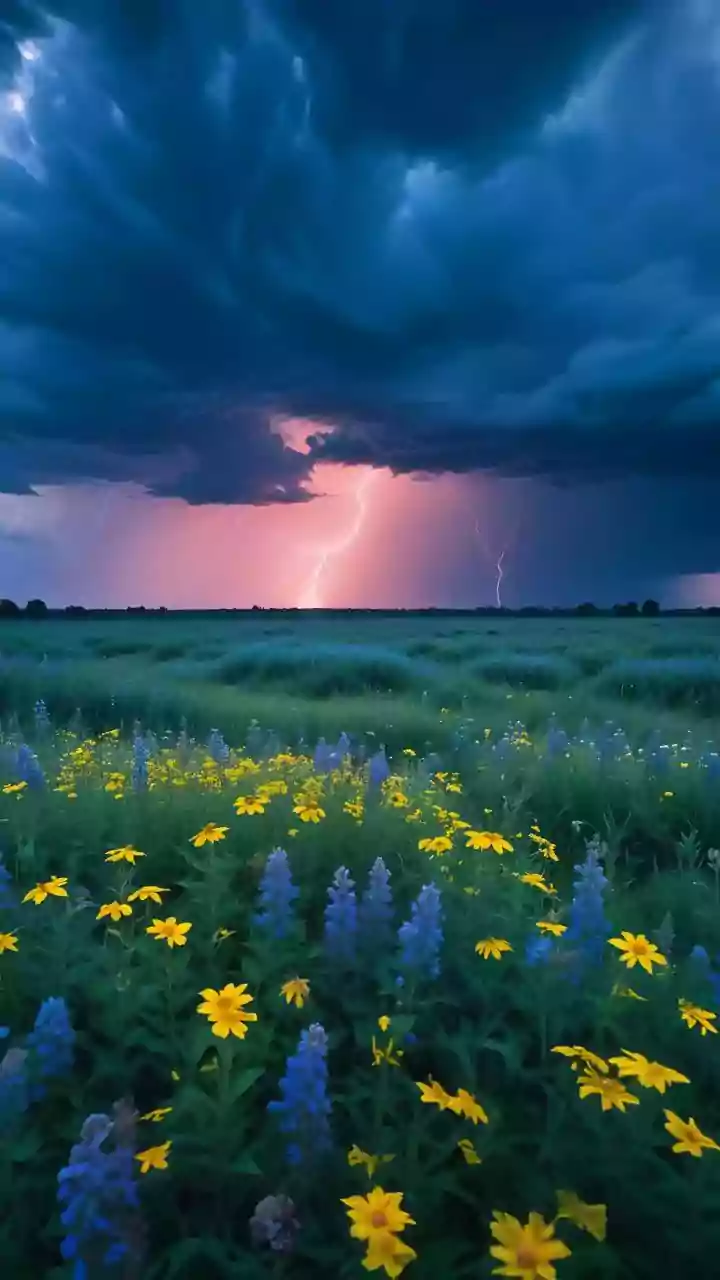
The 'Pink Moon' moniker might be a bit misleading, as the lunar body itself won't be pink. This evocative name has deep historical roots, originating from early Native American tribes who used the monthly lunar cycles to track the changing seasons. They associated this particular full moon with the vibrant pink wildflowers, such as the wild ground phlox, that carpeted the landscape at the dawn of spring. This tradition connects the moon's appearance to the renewal and blossoming of nature, offering a poetic link to the earth's cycle rather than a literal color description of the moon.
Science Behind the Hue
The captivating orange or golden glow often seen during the 'Pink Moon' is a result of simple physics involving light scattering through Earth's atmosphere. When the moon is low on the horizon, the moonlight traveling to our eyes must pass through a greater thickness of the atmosphere. This atmospheric layer is filled with particles that effectively scatter shorter wavelengths of light, such as blue and violet, in all directions. Consequently, the longer wavelengths – the reds, oranges, and yellows – are able to penetrate this atmospheric veil more readily, reaching our eyes and imbuing the moon with its characteristic warm, coppery tint. This is the same optical phenomenon responsible for the vivid colors of sunsets.
Cosmic Companion: Spica
Adding to the allure of this month's full moon, an exceptional celestial companion will be visible nearby. Astronomy enthusiasts should look for an exceptionally bright point of light situated close to the moon. This isn't just any star; it is Spica, a brilliant binary star system residing within the Virgo constellation. The proximity of Spica to the illuminated full moon creates a particularly dynamic and visually striking scene in the night sky, offering an additional point of interest for stargazers beyond the moon itself.
Holiday Connections
Beyond its visual splendor, the 'Pink Moon' holds significant cultural and religious importance, directly influencing the timing of major holidays. For Christians worldwide, Easter is celebrated on the first Sunday following the first full moon after the spring equinox. Since this year's astronomical spring equinox occurred on March 20th, this April full moon serves as the definitive marker for the Easter celebration. Similarly, the Jewish festival of Passover is also determined by lunar cycles, underscoring the ancient connection between celestial events and the observance of significant religious periods.
Weather Watch
The clarity of the 'Pink Moon' viewing experience is, as always, contingent on atmospheric conditions. For those in the UK, the forecast presents a mixed outlook. While England and Wales may contend with significant cloud cover and potential rain on Wednesday night, potentially obscuring the view, Scotland and Northern Ireland are predicted to have clearer skies. Colder air masses in these northern regions offer a higher probability of uninterrupted viewing opportunities. Regardless of perfect clarity, taking a moment to observe the sky on Wednesday evening is encouraged, as the spring sky begins its seasonal awakening.