





The Hard Truth
Many people struggle with hair that feels unmanageable, lacking softness and shine, often after washing. This persistent dryness, frizz, and brittleness
can be frustrating, leading individuals to experiment with numerous hair products and techniques. However, the root cause often lies not with the products themselves or styling habits, but with the quality of the water used for cleansing. Specifically, hard water, characterized by a high concentration of dissolved minerals like calcium and magnesium, is a primary antagonist to achieving healthy, lustrous hair. These minerals accumulate on the hair shaft, forming a barrier that prevents moisture from penetrating, rendering even the most nourishing conditioners ineffective. This continuous mineral deposition leads to hair that feels heavy and dull, a far cry from the desired smooth, vibrant locks.
Hard Water's Hidden Impact
While the notion of hard water directly causing hair loss is a common misconception, its impact on hair health is undeniably severe. The accumulation of minerals from hard water significantly weakens hair strands, making them prone to substantial breakage. This breakage, particularly near the scalp, can be mistaken for actual hair loss, contributing to a perception of thinning hair. The persistent mineral coating also results in a dull appearance and a peculiar, sometimes gummy, texture. Effectively, hard water creates an environment where hair cannot thrive, leading to a compromised cuticle and an overall unhealthy look and feel, irrespective of a person's diligent hair care regimen.
Effective Solutions for Dryness
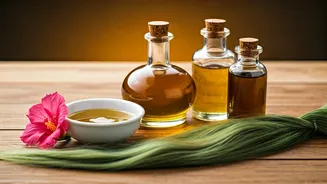
To combat the detrimental effects of hard water on hair, a multi-pronged approach is recommended. The most impactful first step is to install a shower head filter. These filters are engineered to capture minerals and chlorine before they reach your hair, directly addressing the source of the problem. Complementing this, the regular use of a clarifying shampoo is crucial for stripping away existing mineral buildup. However, due to their potent nature, these shampoos should not be used daily to avoid over-drying; a weekly or bi-weekly application is generally sufficient. Introducing hair cycling, a routine that alternates between clarifying, moisturizing, and daily-use shampoos, helps maintain cleanliness without depleting natural oils. Furthermore, consistent deep conditioning with hydrating masks, rich in ingredients like shea butter or argan oil, is essential for restoring moisture and strength to parched hair. Lastly, a small amount of mineral oil applied to mid-lengths and ends after conditioning can help seal in hydration and prevent moisture loss.
Rethinking Your Routine
It's a common impulse to buy more products when hair issues arise, but this often exacerbates the problem when hard water is involved. Layering additional products onto hair already burdened with mineral buildup is akin to adding grease to a shield, preventing the hair from absorbing beneficial moisture. Instead of purchasing more potions and lotions, focus on addressing the underlying issue. If a shower filter isn't immediately feasible, a final rinse with bottled or distilled water can offer temporary relief. Equally important is refining one's technique; ensuring proper shampoo emulsification and allowing conditioner adequate time to work can make a significant difference. Finally, prioritizing scalp health is fundamental, as a healthy scalp provides the optimal environment for hair to grow strong and resilient, negating the damage caused by mineral-laden water.