






Shilpa's Glute Secret
Shilpa Shetty, known for her commitment to fitness, recently unveiled a specific exercise that has significantly contributed to the remarkable tone and
strength of her legs and hips. While she has long emphasized the importance of a robust glute workout, she specifically highlighted the reverse hyper as an "underrated" yet highly effective movement for sculpting the lower body. This exercise not only enhances the aesthetic appearance of the legs by building a strong gluteus maximus but also offers crucial functional benefits. Shetty's advocacy points to its versatility in building a balanced and resilient posterior chain, which is fundamental for overall physical health and athletic performance. The endorsement suggests this move is more than just a trend; it's a foundational element in achieving a powerfully defined and healthy lower physique.
Benefits of Reverse Hyper
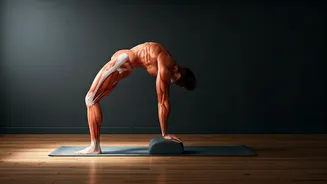
The reverse hyper exercise offers a multifaceted approach to lower body development and spinal health. Primarily, it excels at glute activation, directly engaging the gluteus maximus through a powerful hip extension. This focused engagement contributes to the development of strong, shapely glutes. Crucially, the movement is also recognized for being lower-back friendly. Instead of placing stress on the spine, it strengthens the entire posterior chain—which includes the glutes, hamstrings, and lower back muscles—while simultaneously decompressing the vertebral column. This dual action enhances hip extension strength, a vital component that translates to improved performance in compound lifts like squats and deadlifts, as well as in various athletic endeavors. Furthermore, by working the glutes, hamstrings, and lower back in unison, it fosters a more balanced development of the posterior chain, reducing imbalances. The controlled nature of the exercise can also lead to reduced lower-back stiffness, improving circulation and supporting overall spinal well-being.
Performing the Move
To effectively execute the reverse hyper, precise technique is paramount. The cue is to initiate the lift using your glutes, focusing on squeezing the muscles at the peak of the movement for a brief 1 to 2-second pause. Following this contraction, the descent should be slow and controlled, ensuring sustained muscle engagement. A recommended set and repetition scheme involves performing 3 sets of 15 to 18 repetitions. The tempo emphasizes a controlled upward movement, a deliberate squeeze at the top, and a gradual lowering phase. A rest period of 45 to 60 seconds between sets is advised to allow for adequate recovery while maintaining workout intensity. Adhering to these guidelines ensures optimal muscle activation and minimizes the risk of strain, making the exercise both safe and highly effective for targeting the desired muscle groups.
Understanding the Mechanics
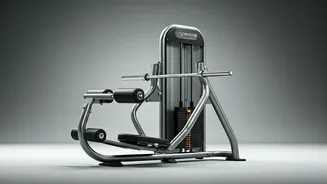
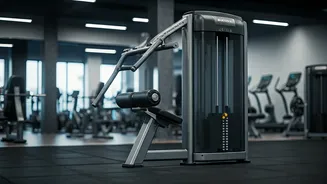
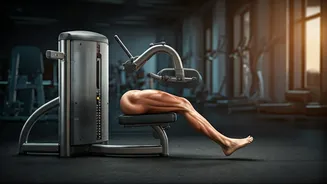
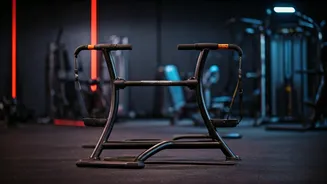
Utsav Agrawal, an Advance + Fitness Coach at FITTR, elaborates on the significance of glute exercises, stating their integral role in ensuring hip stability, maintaining good posture, and cultivating overall lower-body robustness. Beyond mere injury prevention, developing functional and strong glute muscles contributes significantly to the aesthetic appeal of the legs, resulting in a more sculpted and attractive lower-body contour. This is achieved by effectively targeting the gluteus maximus, medius, and minimus. The reverse hyper, specifically, is engineered to fortify the glutes, hamstrings, and lower back simultaneously, all while promoting spinal decompression. Agrawal explains that this unique exercise is performed on a specialized machine where the individual lies prone, lifting their legs upwards in a swinging motion. This action not only facilitates a gentle stretch but also enhances blood circulation to the lumbar region, making it a comprehensive exercise for both strength and recovery.
Safety and Alignment
Fitness expert Garima Goyal offers critical pointers to ensure the safe and effective execution of reverse hypers and other glute-focused exercises, particularly concerning spinal health. Maintaining proper alignment is paramount; the feet, knees, and hips must remain in a straight line throughout the entire motion, actively preventing the knees from collapsing inward. It's essential to preserve a natural curve in the lower back without overextending, as excessive arching can lead to spinal strain. Furthermore, Goyal emphasizes the importance of engaging the core muscles by drawing the belly button towards the spine. This engagement acts as a crucial stabilizer for the vertebral column during the exercise. She also underscores that controlled movements are the cornerstone of effective glute strengthening. Avoiding abrupt, jerky motions and instead focusing on lifting and lowering the hips in a deliberate, controlled manner will maximize muscle engagement and significantly reduce the likelihood of injury, ensuring a safer and more productive workout experience.