






Foundational Deadlift Technique
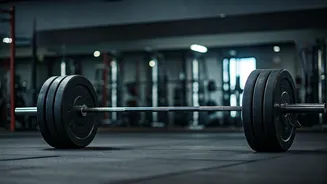
Initiate the deadlift by standing with your feet positioned approximately hip-width apart, ensuring the barbell is directly in front of your shins. The
crucial next step involves hinging at your hips, maintaining a neutral spine throughout this movement. As you hinge, subtly bend your knees to allow for a secure grip on the barbell, which should be just outside the width of your legs. Once you have a firm grasp, engage your core muscles and keep your chest lifted, signifying readiness to lift. The upward motion is driven by pushing through your heels, simultaneously extending your hips and knees until you achieve an upright posture, with the barbell now resting against your thighs. The descent is a controlled reversal of this process: hinge at the hips first, then bend the knees only after the bar has cleared them.
Building Confidence Safely
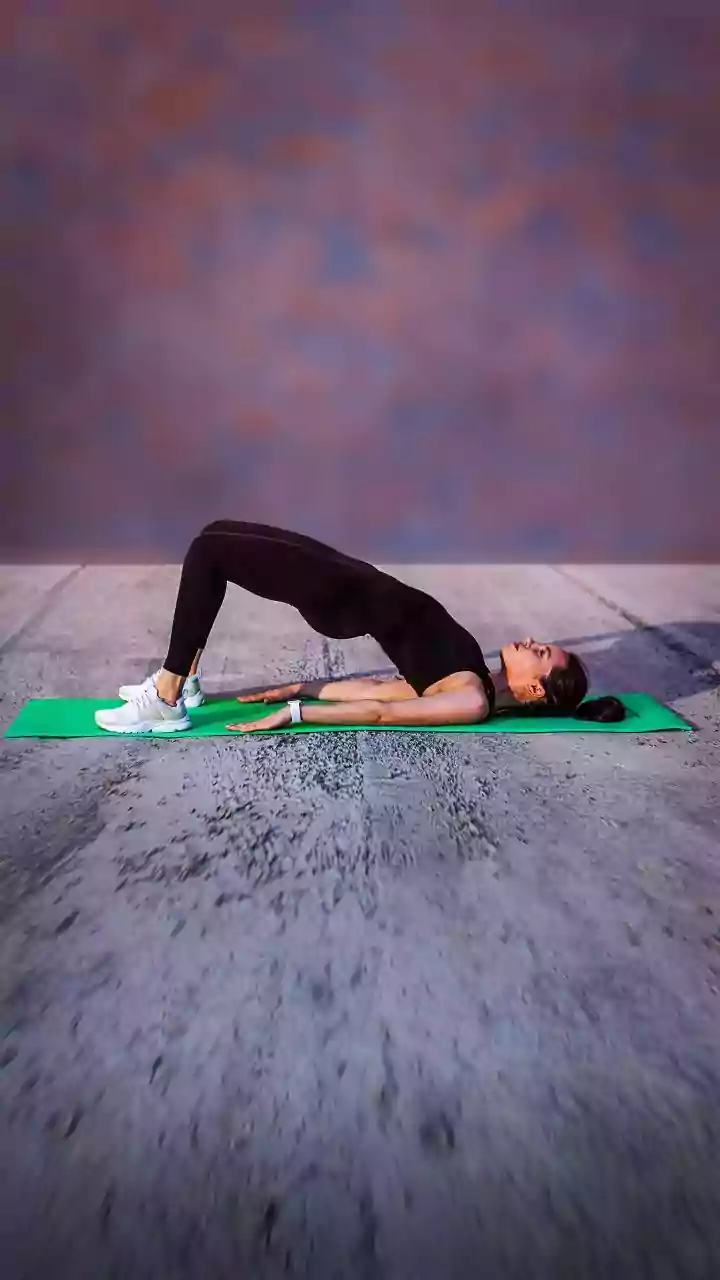
The apprehension surrounding deadlifts, particularly concerning back injury, often stems from improper technique rather than the exercise itself. To cultivate confidence and proficiency, it's vital to strengthen your core and posterior chain. Incorporate supporting exercises like glute bridges, planks, and hip hinges into your routine. These movements are designed to train your body to maintain a stable spine during the demanding act of lifting. By consistently practicing these supplementary exercises, you'll develop the neuromuscular control and resilience necessary to execute deadlifts safely and effectively, gradually reducing any fear associated with the movement.
Avoiding Common Errors
A frequent mistake that beginners make is rounding their lower back, which places undue stress on the spinal column. This can be rectified by diligently practicing hip hinge drills and ensuring your chest remains lifted throughout the entire lifting motion. Another common pitfall is allowing the barbell to drift away from your body. Maintaining the bar's proximity to your shins and thighs during the lift significantly reduces strain and enhances the efficiency of the movement. Furthermore, many novice lifters mistakenly attempt to pull the bar up using their arms. Reframe your thinking: the deadlift is fundamentally a push through the floor, engaging your legs and hips as the primary drivers. Finally, rushing to lift heavy weights prematurely often compromises form. Patience, a gradual increase in load, and consistent feedback from a qualified coach or trainer are paramount for mastering the deadlift safely.
Essential Safety Practices
To ensure your deadlift practice is as safe as possible, it's highly recommended to start with minimal weight, or even just a practice bar or broomstick, to focus solely on mastering the movement's mechanics. Prioritize controlled repetitions over speed. Wearing flat-soled shoes can provide a stable base, and utilizing a mirror or the direct guidance of a trainer can be invaluable for confirming correct alignment and form. These simple yet effective strategies will help reinforce good habits and minimize the risk of injury as you progress.