
Early Morning Buzz
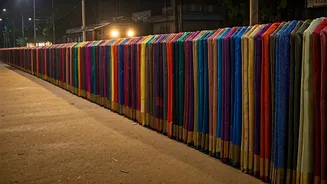
The streets of Bengaluru have recently witnessed an unexpected phenomenon: throngs of shoppers gathering before sunrise, all eager to get their hands on Mysore
silk sarees. This unusual scene unfolds as early as 4 am, with individuals lining up patiently, sometimes for hours, before the stores open. This eagerness signifies a significant trend, a renewed appreciation for traditional Indian textiles and craftsmanship. The rush isn't just about obtaining a piece of fabric; it's a statement of cultural pride and a desire to connect with heritage. The early morning queues offer a glimpse into the evolving preferences of consumers in Bengaluru, a city known for its cosmopolitan lifestyle.
Silk's Enduring Appeal
Mysore silk sarees, renowned for their smooth texture and rich history, are the focal point of this resurgence. Woven in Karnataka, these sarees have a legacy rooted in tradition and quality. The silk's natural sheen and durability make it a cherished choice for special events and everyday wear. The allure of Mysore silk lies not just in its appearance but also in its cultural significance. The sarees represent a connection to India's weaving heritage, appealing to a sense of identity and belonging. The preference for Mysore silk highlights a move toward sustainable fashion choices and a desire for products that embody both elegance and cultural value. The revival suggests that consumers are seeking out unique, high-quality items over mass-produced alternatives.
Beyond Luxury Brands
The contrast between the early queues for Mysore silk and the world of international luxury brands is striking. The article humorously references the fact that 'Michael Kors & Gucci’s need to learn,' which suggests a shift in focus from Western brands. This comparison underscores a growing trend of prioritizing traditional Indian artistry over global luxury goods. The focus on Mysore silk shows a shift in what Indian consumers value. It represents a rejection of imported brands that often emphasize branding over the quality. The local trend also suggests a greater awareness of the origins and craftsmanship, and this shift is particularly significant in a city like Bengaluru, known for its exposure to global trends.
Factors Driving Demand
Several factors contribute to the rising demand for Mysore silk sarees. The pandemic caused many people to reassess their lives, leading them to value quality, tradition, and local production. The rise of social media also plays a role, with influencers and fashion enthusiasts showcasing traditional Indian clothing, making them more visible. The emphasis on ethical and sustainable fashion could also drive this trend, with consumers looking for products with cultural roots and a minimal environmental impact. The increased demand could stem from the younger generation's embracing of their heritage, as well as an increased spending power among a segment of the population. Finally, it reflects a growing desire for investment pieces that are timeless and can be passed down.
A Cultural Reflection
The current craze for Mysore silk sarees is more than just a passing trend; it's a reflection of deeper cultural shifts. It's a statement of pride in India's heritage. The enthusiasm of Bengaluru shoppers underlines a more significant shift towards regional products. This change highlights a conscious effort to support local artisans and crafts. The trend symbolizes a resistance to the globalized consumerism and a re-embracing of cultural roots. It’s a testament to the enduring appeal of traditional crafts, especially those that have a rich history. The queues are a sign of a vibrant consumer culture and a renewed interest in buying things that are meaningful.