






The Cardboard Trap Method
Termites have an insatiable appetite for cellulose, making cardboard their ultimate weakness. To exploit this, gather old shipping boxes and thoroughly
soak them with water until they are quite damp. Then, strategically stack these soggy pieces of cardboard near areas where you suspect termite activity. The moisture acts as a powerful attractant, drawing the termites out from the wooden structures and into the paper. Once the cardboard is teeming with these pests, carefully remove it from your home and dispose of it by burning it safely outdoors. This simple yet ingenious method effectively lures and eliminates termites, providing a non-toxic solution for early-stage infestations and preventing further damage to your furniture and home.
Sunlight's Three-Day Cure
Termites are inherently sensitive to light and heat, qualities that can be leveraged for their eradication. If you have furniture or smaller wooden items infested, don't attempt to treat them indoors. Instead, relocate these items to an outdoor area, such as a balcony or terrace, where they can be exposed to direct, intense midday sunlight. The prolonged exposure to the sun's heat and UV rays will effectively bake the moisture out of the wood, creating an inhospitable environment for termites. By subjecting the infested items to this 'solar treatment' for three consecutive days, you can cause the termite colony within to dehydrate and perish. This method is not only cost-free but also serves as a potent natural repellent, effectively drying out the wood and making it unattractive to these pests.
Neem Oil's Gentle Strike
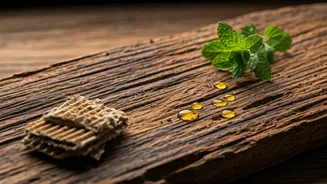
Harnessing the power of nature's own pest control, neem oil offers a time-tested, organic solution for termite management. While not an immediate killer, neem oil works by subtly disrupting the termites' biological functions. It interferes with their hormonal systems, which leads to them ceasing their feeding and reproductive behaviors. To apply, generously paint the neem oil onto any wooden surfaces exhibiting signs of infestation. This method is perfectly safe for households with children and pets, eliminating the concerns associated with toxic chemical treatments. Moreover, the natural, earthy aroma of neem oil is far more pleasant than the harsh, lingering chemical odors often left behind by professional pest control services, making it a superior choice for a healthier home environment.
Vinegar and Lemon's Acidic Attack
For tackling small, contained termite problems, such as those affecting a specific part of a cabinet or shelf, readily available kitchen ingredients can be surprisingly effective. Combine half a cup of white vinegar with the freshly squeezed juice of two lemons. This potent mixture, when sprayed directly into the termite-infested holes or cracks, unleashes an acidic assault. The combined acidity of the vinegar and lemon juice is highly toxic to termites upon contact, acting as a fast-acting localized treatment. While this remedy is best suited for addressing minor issues and 'spot cleaning' rather than large-scale infestations, it provides a quick and accessible solution for targeted termite elimination within your home.
Borax: A Natural Neutralizer
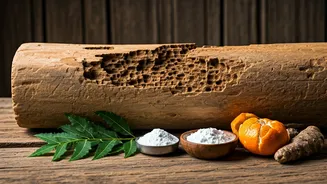
Borax powder, a naturally occurring mineral found in most hardware stores, serves as a powerful yet safe agent against termites. When ingested by termites, borax acts as a potent neurotoxin, disrupting their nervous system and leading to their demise. You can apply the borax powder directly by sprinkling it into termite-affected holes and crevices. Alternatively, for a more targeted approach, mix the borax powder with water to create a thick paste. This paste can then be used to 'plug' the holes, ensuring direct contact for the termites. As they consume the borax-treated material, they will carry it back to their nest, inadvertently spreading the poison and leading to the decimation of the entire colony. This method effectively uses the termites' own behavior against them for a comprehensive eradication.