




Fabric: The First Distinction
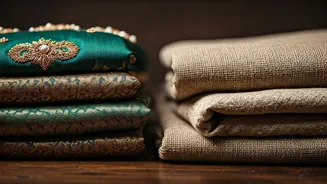
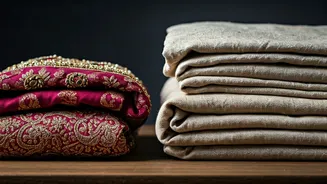
In ancient India, the very material of one's clothing served as an immediate indicator of social standing. Royalty adorned themselves in luxurious silks
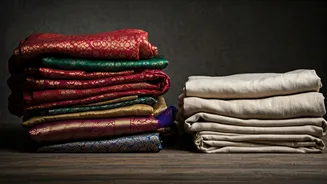
such as kauseya and fine muslin, alongside intricately woven brocades. These exquisite fabrics were often acquired through extensive trade networks, particularly during the Maurya and Gupta empires, where the artistry of zari (gold thread) work and perfumed textiles also flourished. In stark contrast, commoners were typically clad in simpler, more durable cotton garments. These ensembles prioritized functionality and comfort, often featuring a straightforward construction with minimal use of dyes, reflecting a life of labor and practicality.
Embellishments and Ornamentation
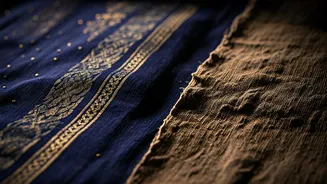
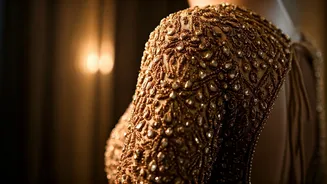
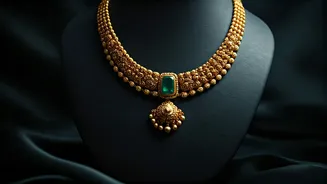
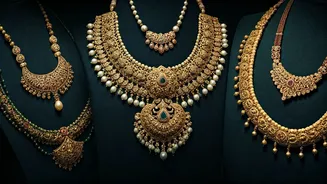
The opulence of royal attire was further amplified by a lavish use of decorative elements, a stark contrast to the understated nature of commoner clothing. Royal garments were rarely left plain; instead, they were intricately adorned with heavy gold thread embroidery, often embellished with precious gemstones. Elaborate borders, detailed motifs, and decorative sashes or statement waistbands were commonplace, adding to the grandeur and visual splendor of their attire. Commoners' clothing, however, lacked such elaborate ornamentation. Any decorative elements were typically limited to simple hemline stitches or basic prints, which were generally reserved for special occasions like festivals, highlighting the everyday practicality of their dress.
Color Palettes of Status
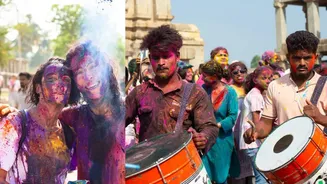
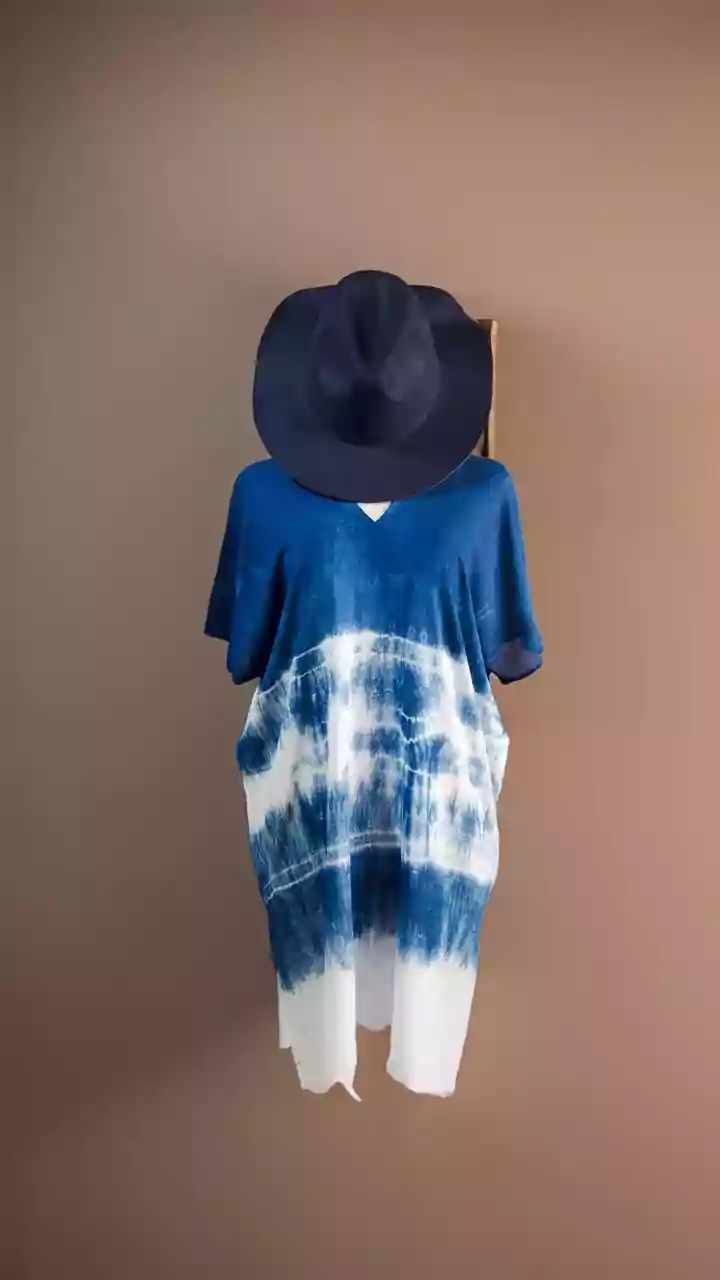
Color played a pivotal role in conveying status and wealth within ancient Indian fashion. The royal wardrobe predominantly featured rich, deep hues such as vibrant reds, auspicious saffron, gleaming gold, and regal blues. These intense shades were achieved through natural dyes derived from sources like indigo and madder, and their saturation signaled prosperity and power. Conversely, the clothing of common people tended to be in more subdued, earthy tones. Undyed cotton was a frequent choice, and when dyes were used, they were typically lighter and less saturated, emphasizing a connection to the land and a simpler way of life.
Draping and Layering
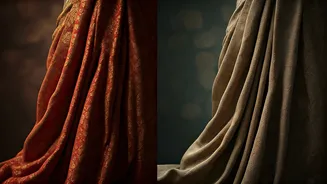
The art of layering and draping garments was a significant aspect of ancient Indian fashion, with distinct approaches for royalty and commoners. Royal attire often involved complex layering, utilizing unstitched garments that were expertly draped. This included a dhoti or antariya (lower garment) with decorative pleats, an uttariya (upper drape) made of fine silk, and multiple stoles or scarves to create a voluminous and majestic silhouette. The emphasis was on creating an impression of grandeur. Commoners, on the other hand, favored simpler drapes. Women often wore saree-style drapes that reached their calves, while men typically wore basic dhotis. A shorter upper cloth and fewer layers were common, partly due to the hot climate and the need for ease of movement. While royal ensembles prioritized visual impact and volume, commoners' attire focused on practicality, mobility, and comfort for daily activities.