



The Mango Frenzy
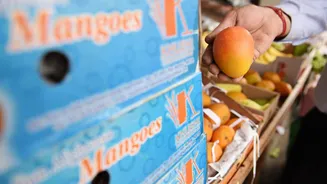
The arrival of Indian mangoes in the United States is an event met with intense anticipation and a determined rush. Due to limited supply and high demand,
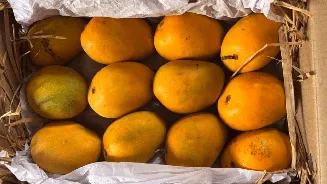
prices for a box of 10-12 mangoes can soar between $50-$60, a significant increase from previous years' $40-$45. Some dedicated businesses even offer season-long weekly deliveries for prices reaching up to $1000. Social media platforms like X (formerly Twitter) buzz with accounts of this phenomenon. One user shared how a shipment of Kesar mangoes, arriving at 4:56 pm, was completely sold out by 5:16 pm, with a case of 9-10 fruits costing $49.99. The fervor extends to 'mango parties,' where enthusiasts gather to share and savor these coveted fruits. People express an almost desperate need for these mangoes, eagerly awaiting shipments of prized varieties like Alphonso and Kesar, highlighting their status as a must-have seasonal treat.
A Global Taste Battle
While India is a powerhouse in mango production, exporting only about 1% of its vast yield, the international demand is palpable. Outside India, securing these fruits becomes a competitive endeavor. Reports from outlets like the Wall Street Journal describe an 'all-hands-on-deck' scenario where speed and strategy determine who gets to enjoy the 'King of Fruits' each year. Individuals actively monitor flight schedules, rush to warehouses, and even interrupt their professional commitments, like pausing meetings, to secure their share. Nakul Goyal, a chief marketing officer, noted that he stops all activities the moment a new shipment is announced. Interestingly, this passion isn't limited to the Indian diaspora; a significant portion of Indian mango enthusiasts in the US are Americans, with importers like Jaidev Sharma in Chicago confirming that their most loyal customers are often from the local American population.
Distinct Flavors Matter
Many aficionados distinguish sharply between Indian mangoes and those more commonly available. Critics often describe mangoes from other regions, particularly South America, as inferior. Bhaskar Savani, who has been importing Indian mangoes since 2007, controversially stated, 'South American mango basically screwed up the mango,' likening their taste to a 'raw potato.' This sentiment underscores the unique appeal of Indian varieties. While Mexico dominates the global export market with affordable, year-round offerings at around $10 per box in American supermarkets, fans of the Indian varieties, numbering around 1,500 distinct types, believe they are in a completely different category. The limited availability of Indian mangoes contributes to their special status, creating a market where demand consistently outstrips supply.
The Profitable Market
The short seasonality of Indian mangoes is precisely what fuels their high demand and rapid sales. Companies like Sameer Phanase's Virginia-based Indian mango import business grapple with the reality that 'the mango boxes come and they get sold out.' This dynamic creates a lucrative, albeit brief, market for these fruits. The United States imports several celebrated varieties, each with its own regional prestige. These include the exquisite Alphonso from Ratnagiri in Maharashtra, the fragrant Kesar from Gujarat, the flavorful Chausa and Langra from Northern India, and the esteemed Banganapalli from the southern regions. The desire for these specific, high-quality mangoes drives the elaborate efforts and premium pricing observed annually among enthusiasts in the US.