

Runway Revival
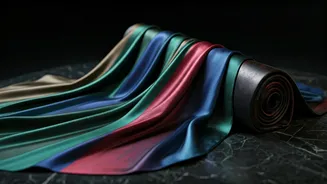
The humble silk scarf has unexpectedly claimed center stage on the fashion circuit, signaling a significant shift in its role as an accessory. At a recent
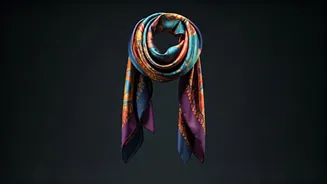
Parisian fashion show, a colossal silk scarf served as a dramatic backdrop, setting the tone for a collection that prominently featured the foulard. This wasn't just a fleeting trend; designers integrated the scarf in myriad ways, from subtle accents peeking out of coat lapels to bold statements like skirt constructions and even tops. This reinvention extends beyond a single house, as other designers are showcasing the scarf's versatility, transforming it into everything from playful sarong-style coverings to innovative skirt pieces and surprisingly sophisticated garments. The fashion world is clearly embracing the foulard's potential for both traditional charm and boundary-pushing creativity, demonstrating its newfound relevance.
Beyond the Neck
The contemporary approach to silk scarves shatters conventional styling rules, encouraging a more adventurous and personalized aesthetic. Fashion enthusiasts are now experimenting with scarves in ways that defy expectations, such as tying them around their heads with a retro flair, or transforming them into playful halter tops and even skirts. This trend is fueled by a desire to inject personality and unexpected twists into everyday outfits. The versatility of the silk scarf allows it to adapt to various occasions and styles, offering a unique way to express individuality. Whether used as a vibrant accent or a foundational piece, the scarf is proving to be an indispensable tool for creative self-expression, adding a touch of polish or a rebellious edge as needed.
Reimagining Tradition
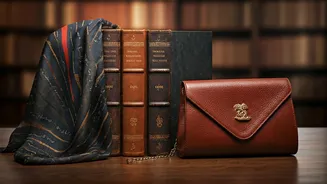
The resurgence of the silk scarf is deeply intertwined with a contemporary fascination for classic styles, but with a crucial modern update. Designers are taking familiar elements, such as ladylike silhouettes and traditional accessories, and subtly altering them to appeal to a younger generation's desire for sophistication. This involves reinterpreting classic garments and accessories with a contemporary sensibility. For instance, a traditionally structured skirt suit might appear slightly more relaxed, or a brooch could be affixed to casual denim instead of formal lapels. The silk scarf embodies this trend perfectly; it can be refashioned into a chic shirt, elegantly draped over formal trousers, or creatively attached to a handbag. This approach allows for a nod to heritage while maintaining a fresh, current appeal, making traditional pieces feel accessible and desirable for today's fashion landscape.
Historical Roots, Modern Appeal
The enduring appeal of the silk scarf is significantly rooted in its rich history and the influential role a particular Parisian fashion house played in its popularization. While the origins of silk squares trace back to ancient China, where they signified military status, their journey to global recognition was significantly shaped by European adoption and, most notably, by a renowned French brand that launched printed silk scarves in 1937. These scarves quickly became symbols of elegance, famously adorned by style icons like Jackie Kennedy and Grace Kelly, who even repurposed one as a stylish arm sling. A groundbreaking campaign in 1979, featuring young Parisians wearing the scarves with denim, was instrumental in modernizing the brand's image and cementing the scarf's place in contemporary fashion. This historical weight, combined with its inherent versatility, contributes to the scarf's current resurgence as a cherished item for those seeking authenticity and a connection to tradition.
Nostalgia and Individuality
Nostalgia is currently a potent force in fashion, and the silk scarf, with its deep historical roots and potential for personalization, taps directly into this sentiment. These scarves represent heritage and tradition, resonating with a growing desire for authenticity in a fast-paced world. Furthermore, many silk scarves, particularly those from luxury heritage brands, are passed down through generations, imbuing them with significant sentimental value and a unique personal narrative. This element of storytelling and the pursuit of individuality are key drivers behind the scarf's current popularity. The thriving luxury resale market, where sales and average selling prices for these items have seen considerable growth, further underscores their desirability as both collectible pieces and expressions of personal style that connect the past with the present.
The Unexpected Ensemble
The modern interpretation of the silk scarf often leads to delightful and unexpected fashion juxtapositions, creating looks that are both whimsical and sophisticated. One notable example involves integrating a scarf into a garment in a uniquely constructed manner, such as a T-shirt featuring strategically placed openings through which a scarf is threaded. This approach transforms a simple top into a statement piece, often paired with contrasting elements like voluminous sleeves and unconventional skirts. Such innovative designs playfully blend past aesthetics with futuristic sensibilities, marrying traditional patterns with contemporary silhouettes. This Frankenstein-esque approach to fashion highlights the scarf's remarkable adaptability, demonstrating that it can transcend its traditional role and become a core component of avant-garde ensembles, offering endless possibilities for creative expression and personal style.