



Timing is Key
Achieving a successful tomato harvest hinges significantly on proper timing, especially concerning temperature. Tomatoes are quite sensitive to cold; even
a light frost can severely damage young plants. Therefore, it's crucial to wait until the nighttime temperatures consistently remain at or above 50°F (10°C) before transplanting seedlings outdoors. Equally important is the soil temperature, which ideally should reach at least 60°F (15.5°C) during the day. If you're starting from seeds, begin this process indoors about 4 to 8 weeks prior to your region's last expected frost date. Conversely, extreme heat can also be detrimental. Routine summer temperatures exceeding 90°F (32°C) can impede the tomato plants' ability to pollinate, potentially leading to flower drop. For those residing in warmer climates like Texas, Florida, or Arizona, planting earlier in the season and possibly again in early fall is a more advantageous strategy to mitigate the impact of intense summer heat and ensure a better yield.
Sunlight & Planting Depth
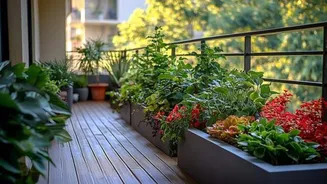
Tomatoes are enthusiastic sun-worshippers and thrive with ample light. They require a minimum of six hours of direct sunlight daily, with eight hours being even more beneficial for robust growth and fruit production. Before selecting a planting location, observe the sun's movement throughout your yard or balcony over an entire day to identify the spots that receive the most consistent light. Typically, a south-facing position is ideal. If you opt for container gardening, you gain the flexibility to relocate the pots, allowing you to 'chase the sun' as it moves across the sky. A surprising but vital technique for healthy tomato plants involves planting them deeper than you might initially expect. Tomato stems possess the remarkable ability to develop roots along their entire length. By burying a significant portion of the seedling—leaving only 3 to 4 inches above the soil for a 10-inch plant—you encourage the development of a much stronger and more extensive root system. This enhanced root network not only anchors the plant more securely but also significantly improves its capacity to absorb water and essential nutrients as it matures.
Soil and Watering
The foundation of a thriving tomato plant lies in its soil. You need a rich, well-draining soil mix to prevent common issues like root rot and fungal diseases. If your garden soil is heavy clay, which tends to retain too much moisture, amending it before planting is essential. Tomatoes have specific nutritional needs, requiring a balanced blend of nitrogen, phosphorus, and potassium, alongside crucial micronutrients such as calcium, zinc, and iron. To accurately determine your soil's composition and pH level (ideally between 6.2 and 6.8), consider performing a soil test, readily available at most garden centers. Consistent watering is paramount, aiming for approximately one inch of water per week, but the underlying principle is regularity. Erratic watering patterns, such as a dry spell followed by heavy saturation, can cause tomatoes to crack as they rapidly absorb excess water. Regularly check the soil moisture by inserting your finger about an inch deep; if it feels dry, it's time to water. Crucially, always direct water to the base of the plant, avoiding the leaves, to minimize the risk of disease.
Support and Pruning
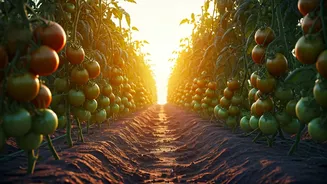
Different tomato varieties require varying levels of support as they grow. Determinate varieties, like Roma or San Marzano, tend to grow into compact, bushy plants and their fruit ripens concurrently, generally requiring minimal structural assistance. In contrast, indeterminate varieties, which include many cherry tomatoes and most beefsteak types, grow continuously on vines throughout the season. These will necessitate support structures such as cages, stakes, or trellises, ideally six feet tall or higher. As the vines extend, gently tie the stems to these supports using garden twine. For indeterminate plants, regular pruning of 'suckers'—the small shoots that emerge from the junction between the main stem and a side branch—is crucial. If left unchecked, these suckers divert energy away from fruit production and can create a dense foliage that traps moisture, fostering disease. Begin this pruning process once the first flowers appear and continue every two weeks. An exception exists: you can allow the sucker directly below the lowest flowering branch to develop into its own productive fruiting stem.
Companion Planting & Harvesting
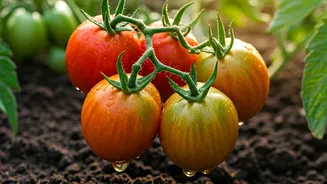
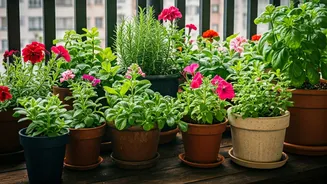
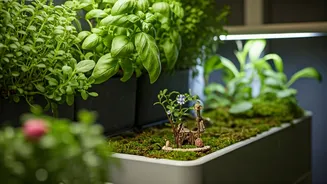
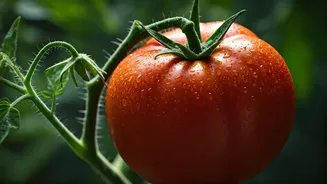
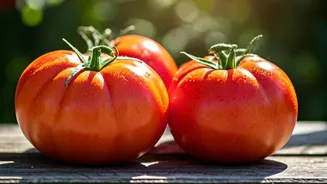
The classic pairing of tomatoes and basil is more than just a culinary delight; it offers tangible benefits in the garden. Scientific studies indicate that tomato plants exhibit improved resilience to stress and damage when exposed to the volatile compounds released by basil, thereby enhancing their natural defense mechanisms. Research also suggests that interplanting basil with tomatoes can lead to an approximately 20% increase in yield, particularly at higher planting densities. Beyond basil, other herbs like garlic, dill, and parsley can help deter common garden pests. Incorporating flowering plants such as lavender is also beneficial, as they attract essential pollinators crucial for your tomato plants' fruit development. When it comes to harvesting, you don't need to wait for tomatoes to be fully ripe on the vine. Picking them when they are about half green and half pink and allowing them to finish ripening on your kitchen counter can actually protect them from pests and birds that are attracted to ripe fruit. A ripe tomato will typically have a shiny appearance and yield slightly to gentle pressure.