







The Onion Juice Secret
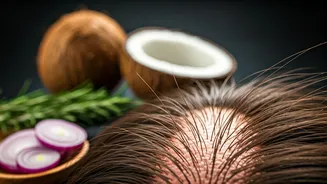
Onion juice, despite its potent aroma, is a surprisingly effective ingredient for hair health due to its high sulfur content. Sulfur is a crucial component
in building hair and also aids in enhancing blood circulation to the scalp, which in turn supports the production of keratin, the primary protein in hair. Some initial studies suggest that applying onion juice might help stimulate dormant hair follicles, potentially aiding in regrowth for patchy hair loss. To use, blend or grate an onion and extract the juice. Apply this directly to your scalp and leave it on for 20 to 30 minutes before thoroughly washing it out. It's advisable to use this remedy a couple of times a week, being mindful of its strong smell, which might linger.
Coconut Oil Ritual
Coconut oil is a long-standing champion in hair care, lauded for its ability to minimize protein loss from the hair shaft and maintain a well-hydrated scalp. While the oil itself nourishes, the act of massaging it into the scalp is where much of its benefit lies. This gentle massage boosts blood flow, delivering essential oxygen to the hair roots, which helps sustain existing hair. It won't regenerate follicles that have completely ceased to function, but it's excellent for preserving the hair you still have. For optimal results, warm a small amount of coconut oil, massage it into your scalp for 5-10 minutes, and leave it on for at least an hour, or even overnight, before washing. Consistency is paramount; making this a regular habit, rather than an occasional treatment, yields the best outcome.
Soothing Aloe Vera
Aloe vera offers a calming effect for irritated or dry scalps, effectively alleviating itchiness and flakiness. By soothing the skin, it creates an optimal environment for hair growth, akin to preparing fertile soil for plants. While not a direct hair grower, its role in maintaining scalp health is indispensable. It helps combat dandruff and reduces inflammation, ensuring the scalp is in the best possible condition. For application, fresh gel directly from an aloe vera leaf is ideal. Apply it to your scalp and let it rest for approximately 40 minutes before rinsing. This simple step can significantly contribute to overall scalp well-being.
Fenugreek's Strength
Fenugreek, a traditional remedy, offers notable benefits for hair structure and health. Rich in protein and nicotinic acid, it's known to enhance hair's resilience and strength. While it won't lead to a sudden surge in hair volume, it can significantly improve the quality and robustness of the hair you possess. To prepare, soak fenugreek seeds in water overnight, then grind them into a paste. Apply this paste to your hair and scalp. Beyond strengthening, it also imparts a noticeable softness to the hair, making it feel more manageable and healthy.
Rosemary Oil's Promise
Rosemary oil has garnered attention due to emerging research suggesting its potential efficacy in hair growth. Studies indicate that consistent use of rosemary oil over a period of six months might yield results comparable to conventional hair growth treatments like Minoxidil. Its mechanism of action involves vasodilation, meaning it helps to widen blood vessels, thereby increasing blood flow and nutrient delivery to the hair follicles. It is crucial to never apply rosemary oil directly to the scalp as it is highly concentrated. Instead, dilute a few drops with a carrier oil, such as coconut or jojoba oil, before massaging it into your scalp.
Amla's Antioxidant Power
Amla, also known as Indian Gooseberry, is a powerhouse of Vitamin C and antioxidants, making it a valuable ingredient for hair care. Its antioxidant properties help combat oxidative stress, a factor that can accelerate the aging of hair follicles. While commonly used to prevent premature graying and reduce hair damage, amla also acts as a potent tonic for maintaining a resilient and healthy scalp. Its inclusion in a hair care routine contributes to overall scalp health and hair vitality.
Nutrition is Key
External applications can only do so much; true hair health originates from within, heavily influenced by diet and overall well-being. Consuming a diet rich in essential nutrients is paramount, as hair is considered a non-essential tissue by the body. In times of nutrient deficiency, the body prioritizes vital organs, often drawing resources away from hair. Ensuring adequate intake of protein, found in foods like eggs, chicken, and lentils, is crucial, as hair is primarily composed of protein. Iron, essential for preventing thinning hair, can be obtained from spinach and lentils. Healthy fats, present in nuts and seeds, contribute to natural hair shine and scalp health. Neglecting internal nourishment will limit the effectiveness of any topical treatments.
Realistic Expectations
It's essential to manage expectations regarding natural hair regrowth, particularly for conditions like Male Pattern Baldness (MPB), which are largely influenced by genetics and hormones like DHT. While home remedies can significantly slow down hair shedding, improve the texture and appearance of existing hair, and foster a healthier scalp environment, they cannot magically restore hair on areas that have been bald for extended periods. For substantial regrowth in cases of genetic balding, medical interventions such as Minoxidil or Finasteride are typically required. Patience is a virtue in hair care; visible changes take months, not days. Avoid the temptation to try numerous remedies simultaneously, as this can irritate the scalp. Focus on one or two methods consistently for the best results.