





Cultural Threads Unravel
Indian women's relationship with fashion is deeply woven into the fabric of culture. Traditional attire, such as sarees and salwar kameez, is not merely
clothing; it is a statement of heritage, regional identity, and social status. These garments have evolved over centuries, influenced by various dynasties, invasions, and trade routes. They have witnessed the influence of the Mughals and the British, each leaving an indelible mark. Consider the intricate embroidery and vibrant colors that distinguish a Rajasthani ghagra choli from a Bengali tant saree. These details convey stories of communities and craftsmanship passed down through generations. Fashion choices are often dictated by rituals, religious observances, and significant life events such as weddings, where the bridal look is a significant marker of tradition and celebration. The cultural significance of fashion in India emphasizes its role in preserving traditions while adapting to modern influences, thus playing a critical role in how women communicate their identity and place within society.
The Sari's Enduring Grace
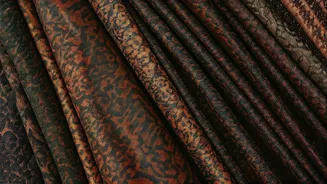
The saree holds a central place in Indian fashion, embodying elegance and versatility. This unstitched garment has been a staple for centuries, with regional variations enhancing its allure. The drape of a saree can reflect cultural nuances; the way it is pleated, the fabrics employed, and the embellishments used communicate different stories. Sarees can be formal or casual, simple or elaborate, serving various purposes. Silk sarees are often worn on special occasions, whereas cotton sarees are considered ideal for daily wear. The art of weaving and textile design in India is essential to the saree's lasting popularity. Banarasi silk, Kanjeevaram silk, and Chanderi cotton are just a few of the many styles that showcase the creativity and craftsmanship of Indian artisans. Moreover, the saree has crossed cultural boundaries, gaining appreciation worldwide as a symbol of Indian fashion, frequently seen on international runways and worn by global celebrities. Its timeless appeal continues to inspire designers, proving the saree's enduring influence on modern fashion.
Evolutionary Style Pathways
Fashion trends among Indian women have significantly transformed, especially with the onset of globalization and exposure to international styles. Earlier, fashion was dictated by practicality and tradition, where clothing choices were largely defined by local customs. The introduction of Western influences brought about the embrace of diverse silhouettes, fabrics, and designs. The gradual merging of traditional wear with contemporary elements characterized this phase. The introduction of ready-to-wear garments and fast fashion has also boosted the evolution, offering greater accessibility to a range of styles and price points. The rise of Bollywood and the media has played an important role in shaping these trends, as actresses and fashion influencers become style icons for millions. This evolution underscores the adaptability and dynamism of Indian women, as they choose to integrate both traditional and modern looks, which further highlights the diverse and evolving relationship between Indian women and the world of fashion.
Empowerment through Fashion
Fashion can be a powerful tool for Indian women, acting as a medium of empowerment, self-expression, and the claiming of identity. Choices in clothing can challenge social norms, and act as statements of individuality. For women, fashion has been a way to establish agency in a society marked by cultural expectations and gender-based restrictions. Wearing particular outfits might be an act of defiance against patriarchal pressures, while also asserting autonomy. Women in India have increasingly used their fashion choices to reflect their professional aspirations, personal values, and political affiliations. This has contributed to challenging outdated stereotypes and opening new avenues for independence and equality. Additionally, the growth of the fashion industry has provided economic opportunities for women as designers, entrepreneurs, and artisans. This creates a cycle of empowerment where fashion empowers women, and their contributions further reshape the industry.
Sustainability's New Dawn
Sustainability is becoming an increasingly important aspect of Indian women's fashion choices, reflecting a growing awareness of environmental and social responsibility. Fast fashion and its impacts have created a surge in demand for eco-friendly options. The trend includes a focus on organic fabrics, fair trade practices, and the promotion of ethical production methods. Numerous Indian designers and brands now employ traditional textiles and craftsmanship, which supports local artisans and reduces the impact on the environment. Furthermore, Indian women are expressing a keen interest in upcycling and recycling clothing, contributing to a movement towards circular fashion models. This involves purchasing garments made from recycled materials, participating in clothing swaps, and supporting brands that are focused on minimizing waste and carbon footprints. This shift toward sustainable fashion highlights a desire to create a better impact on the world and embrace practices that promote social and environmental well-being.