





Initial Controversies Emerge
Fashion houses, celebrated for their creativity, have faced scrutiny for cultural insensitivity. Often, these issues arise when designs or marketing campaigns
borrow elements from various cultures without proper understanding or respect. Critics argue that these actions reduce complex cultural practices to mere trends, stripping them of their significance and context. Such instances have resulted in public outrage, with social media acting as a platform for immediate responses, enabling consumers to express concerns and hold brands accountable for their actions. These events have sparked significant discussions about diversity, cultural sensitivity, and the ethical responsibilities of fashion companies in an increasingly globalized world. The repercussions of these actions have included social media backlashes, calls for boycotts, and damage to brand reputation, which led companies to issue apologies, pull products, and promise to reform their practices to improve their cultural awareness.
Analyzing Brand Missteps
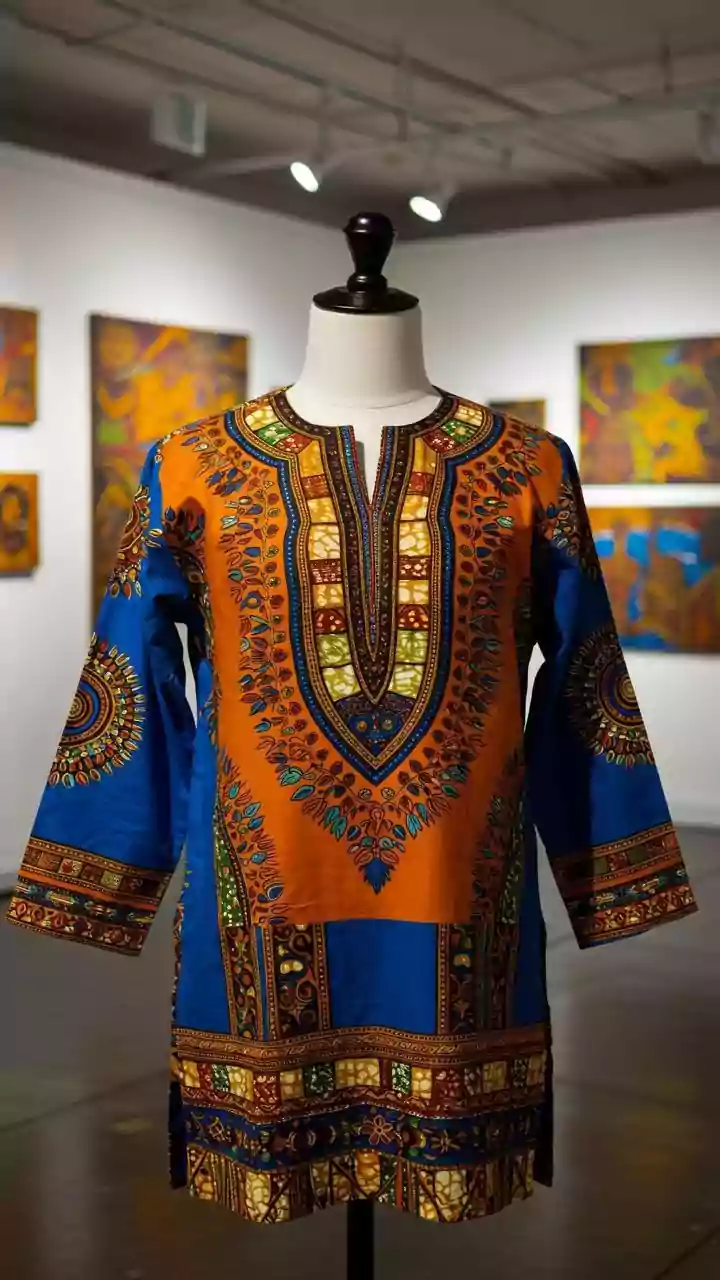
Specific fashion brands have frequently faced criticism for cultural appropriation. One notable instance involved the utilization of sacred imagery in marketing campaigns, prompting substantial backlash from affected communities. The issue wasn't the image itself, but its commercial context, which many considered disrespectful. Another instance was the use of traditional garments and patterns in a manner that seemed to commodify cultural heritage without proper acknowledgement or respect. These instances highlighted a lack of understanding regarding the origins and meanings of cultural elements. Furthermore, the selection of models and brand ambassadors also became a point of contention. The industry was accused of lacking diversity and failing to represent the variety of global consumers. This triggered broader discussions about inclusivity, authenticity, and the importance of hiring individuals who have a deep understanding of, and respect for, the cultures being referenced.
Impact on Consumers
When fashion brands stumble, it often affects consumers. Firstly, the incidents of cultural insensitivity can create feelings of alienation and disrespect among those whose cultures are appropriated. For many individuals, clothing and style are crucial to their identities and cultural heritage, so brands distorting these elements can be seen as a direct attack. The outrage and social media engagement has amplified the effect, making consumers more aware of brands' actions and the impact those actions have on different cultures. Moreover, consumers may start to lose faith in brands that engage in such practices, potentially causing a drop in sales and reputation. On the positive side, these controversies have empowered consumers to be more aware of the fashion they support and to demand more ethical practices. By scrutinizing and reacting to insensitive designs and campaigns, they drive change in the fashion industry, pushing for diversity, respect, and a deeper understanding of cultural contexts.
Industry Reactions and Reforms
In response to criticism, fashion companies have begun to adopt measures aimed at addressing cultural insensitivity. Many brands have started to prioritize diversity and inclusion. This involves hiring a more diverse workforce, including designers, marketers, and models from varied cultural backgrounds. Secondly, brands have increased their research efforts to learn the nuances of different cultures. This process often includes collaboration with cultural consultants to ensure that designs and campaigns are respectful and informed. Furthermore, some fashion houses have implemented internal policies and guidelines to prevent cultural appropriation, providing designers with clear instructions on how to appropriately source inspiration. However, the changes are still being assessed, with the effectiveness depending on how deeply the changes are integrated into the culture of the company. Success is measured by consistent action, ongoing commitment, and an active openness to feedback from affected communities.
Future of Fashion
The fashion industry is undergoing a significant transformation, driven by increased awareness of cultural sensitivity. The future of fashion lies in a more inclusive and respectful approach. This includes a more diverse representation, with designers and decision-makers from different cultural backgrounds. Brands are increasingly encouraged to work directly with cultural communities, rather than just borrowing from them. Moreover, the evolution of fashion will see more emphasis on sustainable practices and ethical sourcing, including fair wages and safe working environments. The demand for transparency is growing, requiring brands to be open about their supply chains and their environmental impact. This move will help create a more ethical and responsible industry, where fashion celebrates diversity and champions cultural understanding.