






Understanding Skin Pores
Our skin is dotted with tiny openings called pores, crucial for its health. These openings serve as conduits for sebum, our skin's natural oil, and sweat,
working to keep our complexion moisturised, regulate body temperature, and even contribute to our skin's appearance. However, when these pores become noticeably enlarged or obstructed, they can alter the skin's texture and necessitate a tailored approach to skincare. Identifying whether your pores are open or closed is the first step towards effectively addressing these concerns and achieving a balanced complexion.
What Are Open Pores?
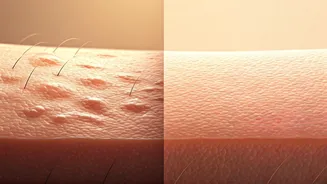
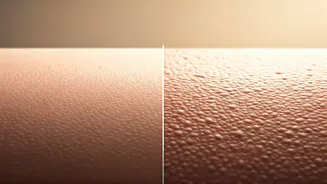
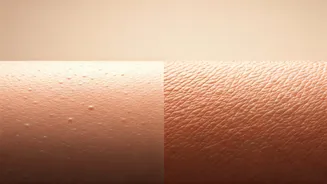
Open pores, characterized by their enlarged appearance, present as visible tiny holes or small depressions on the skin's surface. These are most commonly observed on the cheeks, forehead, and nose, areas often associated with greater oil production. A shiny or greasy complexion can be a tell-tale sign of open pores, frequently exacerbated by the presence of blackheads. When oil and dead skin cells accumulate and become oxidized within these pores, they contribute to their visible enlargement. Factors such as product buildup, environmental damage from sun exposure, genetic predisposition, excessive sebum output, and the natural aging process can all contribute to the widening of pores.
What Are Closed Pores?
In contrast, closed pores are essentially pores that have become blocked and are covered by a thin layer of skin, preventing sebum from reaching the surface. Instead of visible holes, you might notice small bumps beneath the skin's surface, often manifesting as whiteheads or closed comedones. These trapped pores can lead to a rough and uneven skin texture, altering the overall feel of your complexion. This condition arises when excess oil becomes trapped under the skin, coupled with a buildup of dead skin cells. Hormonal fluctuations and the consistent use of heavy skincare products can also contribute to the formation of closed pores.
Managing Open Pores
To effectively manage enlarged or open pores, incorporating a gentle yet consistent cleansing routine is paramount; aim to cleanse your face twice daily to remove excess oil and impurities. Ingredients like salicylic acid and niacinamide are highly beneficial for regulating sebum production and minimizing pore visibility. Incorporating clay masks, such as those containing multani mitti, into your weekly routine, perhaps twice a week, can help draw out impurities and absorb excess oil. Crucially, daily sunscreen application is non-negotiable, as UV rays degrade the skin's elasticity, a process that can further contribute to pore enlargement over time. Protecting your skin from sun damage is key to maintaining its firmness and minimizing the appearance of open pores.
Managing Closed Pores
For individuals dealing with closed or trapped pores, a dedicated approach focusing on exfoliation and cellular turnover is essential. Daily exfoliation using chemical exfoliants, particularly those containing alpha-hydroxy acids (AHAs) and beta-hydroxy acids (BHAs), can effectively help shed dead skin cells and prevent blockages. It's advisable to steer clear of heavy creams that might contribute to pore congestion. Introducing retinoids into your skincare regimen can significantly boost skin cell turnover, aiding in the clearance of trapped pores. Maintaining a rigorous cleansing routine is also vital to prevent the accumulation of product residue. Additionally, natural remedies like applying curd can serve as a gentle exfoliator, sloughing away dead skin cells and providing a soothing effect, further contributing to a smoother skin texture.