




Cruciferous Veggies & Mustard
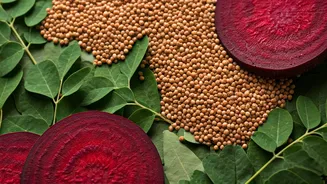
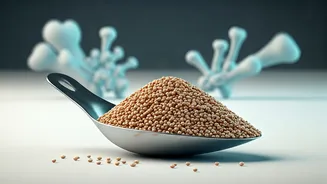
Maximizing the benefits of cruciferous vegetables like broccoli, cauliflower, and cabbage hinges on a clever pairing with mustard seeds. These seeds contain
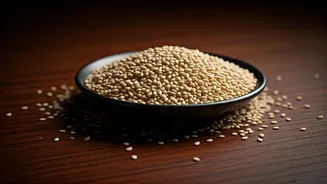
the enzyme myrosinase, which actively supports the creation of sulforaphane, a vital compound responsible for the exceptional nutritional value of these greens. By simply sprinkling mustard seeds onto your steamed broccoli or cauliflower dishes, you significantly boost your body's capacity to synthesize this potent phytonutrient, thereby enhancing the overall health impact of your meal. This simple addition transforms a healthy side into a nutrient-absorbing powerhouse, ensuring you reap the full rewards of these nutrient-dense vegetables.
Green Tea & Lemon
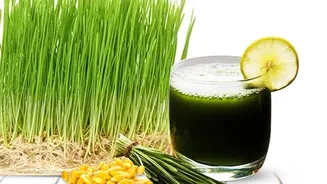
Elevate your green tea experience by adding a splash of fresh lemon juice. Green tea is packed with catechins, a type of antioxidant renowned for its health properties. However, the absorption of these beneficial compounds can be limited. Vitamin C, abundant in lemon juice, acts as a powerful ally, stabilizing the catechins and making them far more accessible for your body to utilize. This simple, refreshing twist ensures that you're getting the most out of every sip, turning your daily brew into a more potent source of antioxidant protection and promoting better overall health through enhanced nutrient uptake.
Lentils & Citrus
Lentils are a fantastic plant-based source of iron, but the non-haem iron they contain is notoriously difficult for the body to absorb. To overcome this, pair your lentil dishes with a burst of citrus. Fruits like oranges, lemons, and grapefruits are rich in vitamin C, a nutrient that dramatically improves the bioavailability of plant-based iron. Whether it's a squeeze of lemon over a lentil soup or a dressing of orange juice for your lentil salad, this combination ensures your body can efficiently utilize the iron, helping to prevent deficiencies and maintain energy levels. Don't let your lentils go to waste; supercharge their iron content with a citrusy zing.
Turmeric & Black Pepper
The potent anti-inflammatory and antioxidant properties of curcumin, the active compound in turmeric, are well-documented. However, when consumed alone, its absorption is quite poor. The key to unlocking turmeric's full potential lies in combining it with black pepper. The piperine present in black pepper significantly enhances curcumin's bioavailability, meaning your body can absorb and utilize it much more effectively. This synergistic pairing is a cornerstone of many traditional curry recipes, demonstrating a centuries-old understanding of how to maximize the therapeutic benefits of these powerful spices and transform them into a potent health-boosting duo.
Leafy Greens & Healthy Fats
To truly benefit from the vitamins A, E, and K found in leafy greens like kale and spinach, it's essential to include a source of dietary fat. These vitamins are fat-soluble, meaning they require fat to be properly absorbed by the body. Incorporating healthy fats such as olive oil or avocado slices into your salads or cooked greens ensures that your body can efficiently extract and utilize these crucial micronutrients. This simple practice transforms a healthy salad into a nutrient-dense meal, allowing you to fully absorb the vitamins that contribute to vision, skin health, and blood clotting.
Tomatoes & Olive Oil
The vibrant red color of tomatoes comes from lycopene, a powerful antioxidant with numerous health benefits. While tomatoes are healthy raw, their lycopene content becomes significantly more bioavailable when cooked, especially in the presence of fat. Simmering tomatoes in olive oil to create sauces or soups dramatically enhances the absorption of lycopene compared to consuming them raw. This culinary practice, often seen in traditional Italian cooking, not only adds delicious flavor but also ensures your body can better utilize this potent antioxidant, contributing to overall well-being and cellular protection.
Carrots & Ghee/Olive Oil
Carrots are a rich source of beta-carotene, a precursor that your body converts into vitamin A. This conversion process, along with the absorption of beta-carotene itself, is dependent on dietary fat. Therefore, when roasting carrots or incorporating them into dishes, adding a source of fat like ghee or olive oil is crucial. This not only enhances the flavor profile of the carrots but also ensures your body can efficiently absorb the beta-carotene and subsequently convert it into vitamin A, which is vital for vision, immune function, and cell growth. Don't miss out on the full nutritional benefits; add a touch of fat to your carrots.
Yogurt & Chia Seeds
Combining yogurt with seeds like chia or basil offers a dual benefit for gut health and overall nutrient intake. Yogurt provides beneficial probiotics, essential for maintaining a healthy gut microbiome, while chia seeds contribute valuable dietary fiber. This practical synergy means you're not only supporting your digestive system but also enhancing your body's ability to absorb nutrients from both components. This simple addition to your breakfast or snack routine amplifies the health advantages, making it a smart choice for promoting a well-functioning digestive system and nutrient utilization.