






Normal vs. Diabetes Thirst
Experiencing thirst after exercise, in hot weather, or after consuming salty foods is a perfectly normal bodily response. This kind of thirst typically
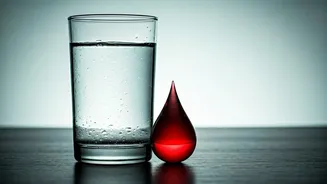
subsides once you rehydrate. However, if you find yourself feeling perpetually thirsty, even after drinking ample fluids, it might signal something more significant than mere dehydration. Dr. Manjusha Agarwal, a Consultant in Internal Medicine at Gleneagles Hospital, Mumbai, highlights that persistent, unquenchable thirst, which doesn't abate easily and is often accompanied by other symptoms, warrants attention. Normal thirst is a temporary state triggered by specific circumstances and resolves with fluid intake. In contrast, the excessive thirst linked to diabetes is a continuous sensation that remains even when you're adequately hydrated.
The Diabetes Connection
When an individual has diabetes, elevated blood sugar levels play a crucial role in triggering excessive thirst. This high glucose concentration in the bloodstream has a dehydrating effect on the body's tissues. Dr. Agarwal explains that this phenomenon causes the kidneys to work overtime to eliminate the excess sugar, resulting in increased urine production. This, in turn, leads to a significant loss of fluids from the body. Consequently, your body experiences a cycle of dehydration, prompting a constant urge to drink. So, if you're drinking plenty of water but still feel parched, it's a strong indicator that the cause might be beyond simple dehydration and could be related to how your body is managing blood sugar.
When To Be Concerned
The pattern and persistence of thirst are critical indicators. If you notice that thirst is a constant companion throughout your day, is not quenched even after considerable fluid intake, or even disrupts your sleep by waking you up at night, it's a signal to pay close attention. Beyond persistent thirst, several other symptoms often appear in conjunction, suggesting that your body might be struggling to maintain stable blood sugar levels. These accompanying signs include the need to urinate frequently, experiencing unusual fatigue, vision becoming blurred, feeling hungrier than normal, experiencing unexplained weight loss, and noticing that your mouth is persistently dry or that wounds are slow to heal. The presence of these symptoms alongside ongoing thirst can be an early warning sign of diabetes, making early recognition vital for timely medical intervention.