



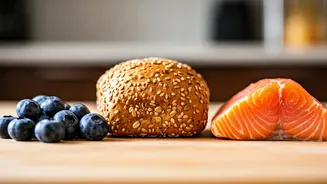
Fat First for Stability
The sequence of your meals profoundly impacts blood sugar regulation. By prioritizing healthy fats like avocado, olive oil, ghee, or nuts at the beginning
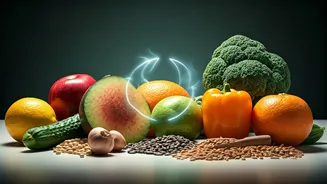
of your meal, or consumed alongside carbohydrates, you can effectively slow down gastric emptying. This controlled release of food from the stomach helps to prevent sharp spikes in blood glucose levels. Elevated insulin levels can often lead to increased testosterone production in women, so maintaining stable blood sugar is crucial for hormonal equilibrium. For instance, avocados, rich in monounsaturated fats and potassium, can combat bloating, while olive oil acts as a natural anti-inflammatory agent, beneficial for menstrual cramps. Ghee, sourced from grass-fed cows, provides essential fat-soluble vitamins like A, D, and K2, vital for fertility. Nuts and seeds such as walnuts and pumpkin seeds offer essential fatty acids that support the luteal phase of the menstrual cycle, highlighting how strategic fat consumption can yield significant reproductive health benefits.
Prioritize Daily Protein
Ensuring you meet your daily protein requirements is fundamental for overall health and plays a critical role in managing hormonal well-being. Protein is known for its satiating effect, helping you feel fuller for longer, and it's indispensable for preserving lean muscle mass, which in turn boosts your metabolic rate. Beyond muscle maintenance, the amino acids found in protein are the building blocks for hormone production and are essential for developing healthy oocytes, or egg cells. When your body doesn't receive adequate protein, it can enter a state of stress, potentially disrupting ovulation. Therefore, consistent protein intake is a cornerstone for supporting reproductive functions and preventing the body from compromising essential processes like ovulation due to nutritional deficiencies.
Balance Fiber and Carbs
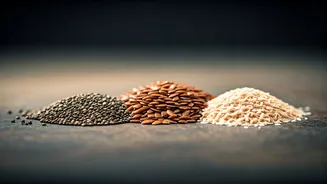
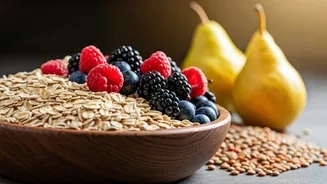
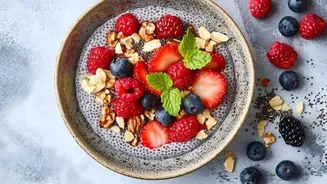
Optimizing the ratio of fiber to carbohydrates in your diet is a highly effective strategy for managing insulin levels and supporting hormone metabolism. Soluble fiber plays a vital role by binding to excess estrogen in the digestive tract, aiding its efficient removal from the body. This is particularly beneficial for women who experience heavy menstrual bleeding or premenstrual syndrome (PMS) symptoms. A high fiber-to-carb ratio also nourishes the gut microbiome, which is intrinsically linked to good hormone metabolism. To enhance your fiber intake and gut health, incorporating probiotics is recommended. A practical approach could be a vegetable raita mixed with flax seeds, chia seeds, and pumpkin seed powder. This combination provides probiotics from the yogurt, protein from the curd, fiber from the vegetables, and essential minerals like magnesium from the seed powder. The mucilaginous fiber from the seeds also aids in clearing the digestive tract, contributing to a healthier internal environment conducive to hormonal balance. Other simple meal ideas include overnight oats and hummus.
Dine Earlier
Shifting your dinner time to an earlier slot in the evening offers a significant advantage by aligning your eating patterns with your body's natural circadian rhythm. This temporal adjustment helps bridge the gap between metabolic health and hormonal cycles. Consuming meals late at night can disrupt the secretion of melatonin, the sleep hormone, thereby negatively impacting your sleep quality. Melatonin is crucial for protecting egg quality, making sufficient, quality sleep paramount for reproductive health. Furthermore, better sleep patterns often correlate with increased progesterone levels, the hormone often referred to as the 'chill out' hormone, which many women find to be in short supply. By eating earlier, your digestion begins sooner, allowing your body to prepare for rest more effectively. This leads to a reduction in cortisol, the stress hormone, and a subsequent increase in melatonin. This hormonal cascade is vital for protecting the ovaries from oxidative stress, underscoring the profound impact of meal timing on overall well-being.