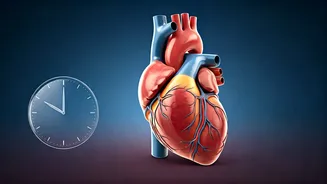








The Sleep-Digestion Connection
Aligning your dinner time with your body's natural decline in activity before sleep offers substantial benefits, particularly for sleep quality and digestive
comfort. When you consume meals too close to bedtime, especially heavy ones, the digestive process can become inefficient. This inefficiency can lead to discomforting symptoms like acid reflux and indigestion, making it harder to fall asleep and stay asleep. By establishing a three-hour gap between your last meal and when you lie down, you allow your stomach adequate time to process food. This facilitates a smoother transition into rest, potentially leading to deeper, more restorative sleep. Poor sleep, often exacerbated by late-night eating, is increasingly linked to negative health outcomes, including heightened inflammation, elevated blood pressure, and increased strain on the heart. Therefore, prioritizing this simple eating schedule can be a cornerstone for improving overall nightly rest and mitigating these risks.
Heart Health and Metabolism
The timing of your evening meal plays a more critical role in cardiovascular health and metabolic stability than many realize. Late-night eating patterns have been associated with detrimental effects such as elevated blood pressure and impaired blood sugar regulation, both significant risk factors for heart disease. Creating a buffer of at least three hours between dinner and sleep allows the body's physiological processes, including glucose metabolism, to stabilize more effectively. Dr. Goel emphasizes that consuming food earlier in the evening aligns better with the body's natural circadian clock, promoting enhanced metabolic stability. Furthermore, research indicates that irregular eating patterns, including late-night consumption, can negatively impact cardiometabolic health. In essence, finishing your meal well before rest allows your body to complete its digestive and metabolic work during its active phase, rather than when it should be preparing for recovery.
Understanding Late-Night Eating
In our fast-paced modern lives, dinner is frequently the most rushed meal, often consumed late and followed immediately by rest. While this may feel routine, it presents a biological mismatch for the body. Medical professionals and sleep experts are increasingly advocating for a straightforward dietary adjustment: concluding your evening meal approximately three hours before retiring for the night. This seemingly minor change has far-reaching implications, influencing everything from digestion and blood sugar management to sleep quality and cardiovascular well-being. When we eat late, we compel our digestive system to work vigorously during a time when our body naturally winds down. Over time, this persistent mismatch can contribute to metabolic dysregulation and negatively affect cardiovascular function, underscoring the growing attention towards the '3-hour dinner rule'.
Biological Responses to Late Meals
Consuming food late in the day triggers a cascade of biological responses that can subtly yet significantly impact heart health and metabolic processes. Post-meal, blood sugar levels naturally rise. However, when eating occurs just before sleep, the body's capacity to efficiently process glucose is diminished, as it anticipates a period of reduced activity. Simultaneously, digestion can become less efficient; the stomach continues its work while the body is attempting to rest, leading to potential discomfort, bloating, and reflux. Research also suggests that late eating can alter hormones related to hunger and fat storage, potentially promoting increased fat accumulation and reducing the body's efficiency in burning calories. A study highlighted this, indicating that later eating times might elevate hunger hormones and decrease calorie expenditure, making meal timing as crucial as food quality.
Simple Habits, Big Gains
Remarkable health improvements can often stem from surprisingly uncomplicated habits. The three-hour dinner rule, while not a substitute for fundamental pillars of health like regular exercise, balanced nutrition, and medical check-ups, serves as a powerful supplementary practice. It achieves this by harmonizing daily routines with your body's intrinsic biological rhythms. Dr. Goel articulates that while diet and exercise remain paramount for heart health, adopting this simple dinner timing strategy can play a vital supporting role. By finishing your meals at least three hours before bed, individuals can actively contribute to better heart health and enhance various aspects of their overall well-being. Ultimately, the most practical health advice is often the most straightforward: eat earlier, allow your body sufficient time to digest, and permit the night to be a period of genuine rest and recuperation.
Aligning with Circadian Rhythms
Our bodies operate on an intricate internal clock known as the circadian rhythm, which orchestrates crucial daily functions like sleep-wake cycles, hormone release, digestion, and metabolism. When food is consumed late at night, the digestive system is forced to engage at a time when its activity is naturally winding down. This misalignment can result in suboptimal digestion and can disrupt the body's ability to effectively manage blood sugar and fat. Dr. Mukesh Goel, a Senior Consultant in Cardiothoracic and Vascular Surgery, explains that a two to three-hour interval between dinner and bedtime is sufficient to aid proper digestion and bolster metabolic stability. Consuming dinner closer to bedtime, he notes, is difficult for the body to process when its metabolic rate is low, potentially leading to elevated blood sugar, heart rate, and blood pressure, all of which can escalate the long-term risk of heart disease. Thus, meal timing is not merely a matter of comfort but a significant determinant of metabolic health.
The Body's Natural Clock
Human biology follows a distinct 24-hour pattern. During daylight hours, our bodies are optimized for digesting food and utilizing energy efficiently. As evening progresses and night approaches, metabolic activity naturally begins to slow down. Dr. Goel highlights this crucial connection, stating that a break of two to three hours between dinner and bedtime provides adequate time for the body to digest food properly and enhances metabolic stability. Scientific research corroborates this, with studies demonstrating that circadian rhythms profoundly influence our metabolism and how sensitive our bodies are to insulin. When food intake occurs too late, this internal clock becomes disoriented. This disruption, accumulating over time, can negatively impact blood sugar control and increase cardiovascular risk, emphasizing the importance of respecting our biological schedule through mindful meal timing.