





Inflammation: The Silent Culprit
Many individuals dismiss persistent bodily discomfort as a consequence of a demanding lifestyle, assuming it's a normal part of being tired. However, medical
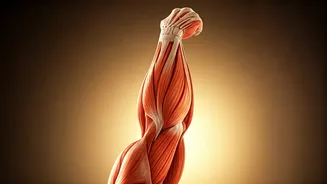
professionals suggest that these aches could signal a low-grade inflammatory response triggered by modern living. Factors such as chronic stress, insufficient sleep, a diet laden with processed items and sugars, and extended periods of sedentary behaviour all contribute to this internal inflammation. This persistent inflammation can irritate nerve endings and muscle tissues, leading to sensations of stiffness, tenderness, and fatigue, even when there's no apparent physical injury or strenuous activity. Experts emphasize that understanding this link is crucial for early intervention and preventing chronic pain issues down the line, as this internal turmoil can make everyday discomfort a persistent companion.
Stress: The Pervasive Agitator
In today's fast-paced world, our bodies rarely experience true rest. Constant work pressures, the endless barrage of digital information, and emotional turmoil keep our nervous systems in a perpetual state of alertness. When we're stressed, our bodies release hormones like cortisol and adrenaline to help us cope with challenges. While these hormones are beneficial in short bursts, sustained stress leads to their chronic elevation. This sustained hormonal surge causes muscles to remain slightly contracted and blood vessels to constrict, leading to reduced blood flow. Over time, this pervasive tension can manifest as stiffness and aching in the neck, shoulders, and back, often perceived as 'random pain.' This discomfort is, in fact, a direct reflection of the body's prolonged stress response, which medical research indicates can contribute to muscle tension, headaches, fatigue, and generalized body aches.
Sleep Deprivation's Toll
Sleep is not merely a period of rest; it's a critical time for the body's restorative processes. During deep sleep cycles, the body diligently repairs muscle tissues, replenishes energy reserves, and regulates inflammatory responses. The brain also utilizes this time to clear out metabolic waste products, and the immune system recalibrates. When sleep is insufficient or fragmented, these essential repair and recovery mechanisms remain incomplete. Consequently, individuals often wake up feeling heavy, stiff, and achy, despite having engaged in no strenuous activities the previous day. Research consistently shows that poor sleep quality exacerbates inflammation and heightens the body's sensitivity to pain, creating a vicious cycle where lack of rest leads to more discomfort.
Diet's Subtle Influence
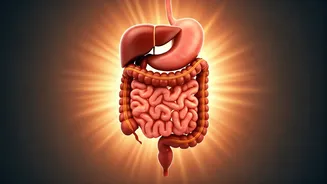
The foods we consume significantly impact our body's inflammatory state and overall pain perception, often in ways we don't readily recognize. Diets rich in refined sugars, highly processed foods, and unhealthy fats can actively promote inflammation within the body. These dietary choices can also lead to rapid spikes and subsequent crashes in blood sugar levels, contributing to feelings of fatigue and muscle weakness. Conversely, a diet emphasizing whole foods—such as abundant vegetables, fresh fruits, nuts, seeds, and sources of omega-3 fatty acids—can help to dampen inflammatory signals. While dietary changes won't instantly eliminate pain, they profoundly influence how our body manages stress, recovers from daily demands, and responds to discomfort.
Sedentary Habits' Strain
Prolonged periods of sitting, a common feature of modern work and leisure, represent another significant, often overlooked, contributor to everyday body aches. Spending hours in office chairs, focused on screens, or during commutes means our muscles remain in static positions for extended durations. This lack of movement leads to reduced flexibility and impaired blood circulation. The neck, shoulders, lower back, and hips are particularly vulnerable, with muscles becoming tight and developing localized tension points that result in persistent discomfort. Incorporating regular movement breaks throughout the day, even short strolls or stretches every hour, is vital for resetting muscle tension and promoting better circulation.
Hidden Deficiencies and Conditions
Sometimes, persistent body aches are not solely due to lifestyle factors but can be indicative of deeper underlying issues. Deficiencies in essential nutrients like vitamin D, vitamin B12, or iron can manifest as widespread fatigue and generalized body pain. These micronutrients are crucial for optimal nerve function, muscle performance, and energy production. Furthermore, subtle early symptoms of thyroid disorders, emerging diabetes, or autoimmune conditions can include persistent, unexplained aches. Doctors frequently uncover these conditions through blood tests, often after patients have experienced months of unexplained discomfort before the root cause is identified.
Simple Habits for Relief
Fortunately, many everyday aches can be significantly alleviated through straightforward modifications to our daily routines. Consistent, gentle physical activity, such as brisk walking, yoga, or regular stretching, enhances circulation and keeps muscles pliable, thereby reducing inflammation and easing tension. Cultivating better sleep hygiene, including maintaining a consistent sleep schedule and minimizing screen time before bed, allows the body to fully engage its natural repair processes. Incorporating stress-management techniques like meditation or deep breathing exercises can calm the nervous system and decrease physical tension. Crucially, paying attention to persistent bodily signals and seeking professional advice when necessary is key to preventing minor discomfort from escalating into more significant health concerns.