





The Sweet Appeal of Fruits
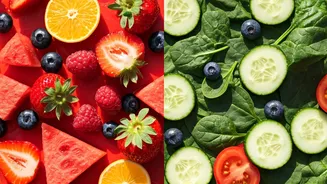
Fruits are often the go-to choice during summer, offering a refreshing and hydrating experience. Watermelon, for instance, is a hydrating powerhouse, replenishing
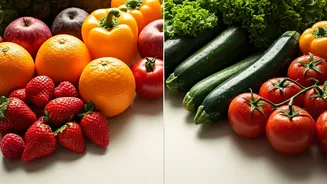
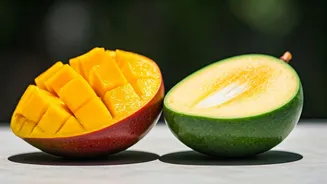
your body and skin with essential moisture. It's also brimming with antioxidants that act as a defense mechanism against sun-induced damage. Papaya, beyond its digestive benefits, contains an enzyme that aids in the gentle removal of dead skin cells from within, promoting a smoother complexion. Berries, these tiny nutritional bombs, provide a protective shield against environmental stressors like pollution and UV radiation. However, moderation is key with certain fruits; those high in sugar, such as mangoes and grapes, can potentially interfere with collagen production if consumed excessively, impacting skin's firmness and youthful appearance. Thus, while delicious, overindulgence in sugary fruits might not contribute positively to your skin's long-term health.
Vegetables: The Unsung Heroes
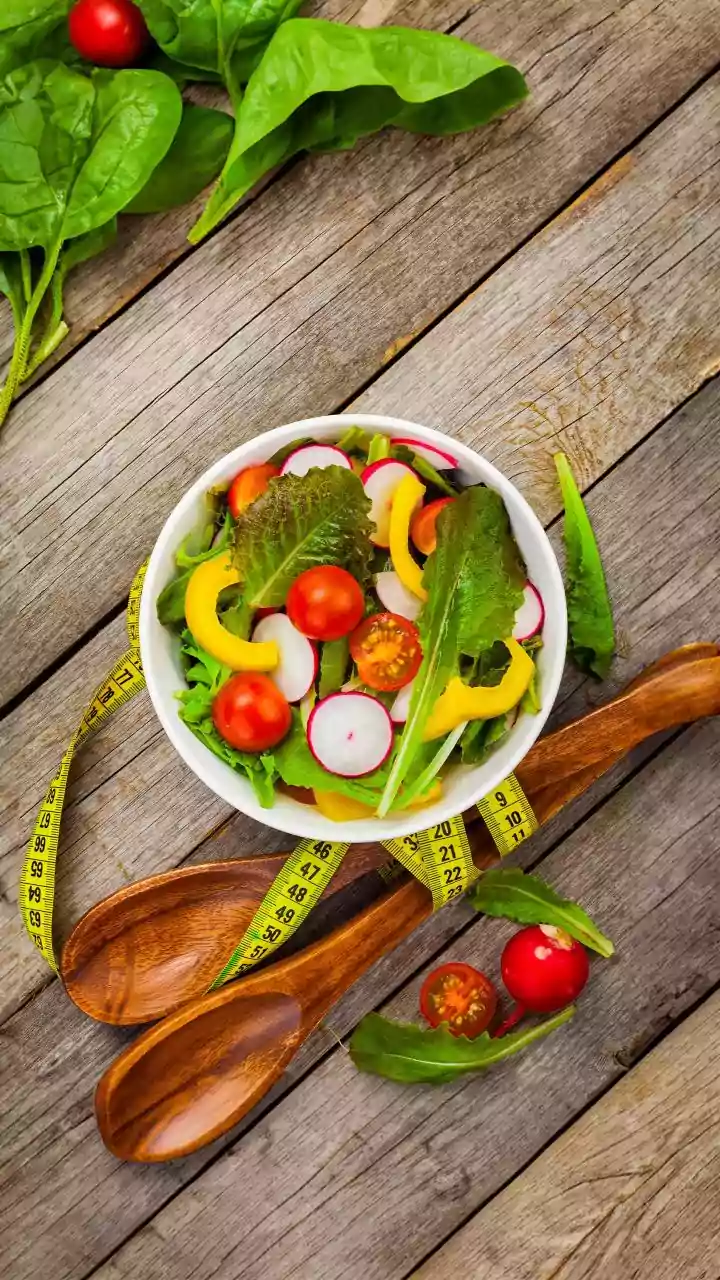
While they may not grab as much attention as fruits, vegetables play a crucial role in maintaining skin health, especially during the summer. Cucumbers are a summer staple, providing a cooling effect, deep hydration, and helping to reduce inflammation on the skin. Tomatoes, particularly when cooked, offer a surprising benefit by enhancing your skin's resilience to sun exposure, acting as an internal supportive measure to your sunscreen. Leafy greens like spinach and kale, often overlooked by those seeking convenience, are packed with vital nutrients that facilitate skin repair, combating the effects of heat, sweat, and clogged pores. Furthermore, vegetables such as carrots and sweet potatoes contribute to a warm, healthy skin tone without the need for sun exposure, offering a subtle yet noticeable enhancement to your natural radiance.
Making the Right Choice
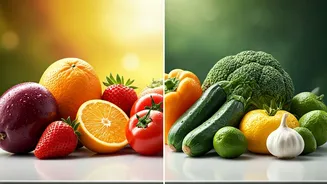
When forced to choose between fruits and vegetables for skin health, vegetables generally emerge as the more consistent option. Their lower sugar content means you can consume them more liberally without concern for adverse effects on collagen. Vegetables support your skin's well-being in a more sustained and dependable manner. However, the most beneficial approach for optimal skin health is not to choose one over the other, but rather to embrace a balanced diet that incorporates both. Populate your meals with a generous variety of fresh, water-rich vegetables. Reserve fruits for when you desire a sweet, hydrating snack. Maintaining this simple, balanced dietary strategy will gradually lead to visible improvements in your skin's appearance, fostering a natural and enduring glow.