







A Personal Revelation
For the past four to five years, Karan Wahi, aged 39, had been grappling with a persistent and peculiar skin issue. He describes his skin, particularly
from the waist down, as being 'weirdly dry,' leading to uncomfortable peeling even with minimal scratching. His skin, which he notes is naturally thin, would develop red spots, sometimes causing alarm when remnants appeared on his bedsheets upon waking. This ongoing struggle prompted a significant dietary change. Approximately two and a half to three months prior to speaking out, Wahi made the conscious decision to cease consuming non-vegetarian food. He admits this was an unforeseen shift, never imagining he'd become vegetarian. The actor's motivation stemmed directly from this skin condition, and he found that since adopting this new eating pattern, his skin has significantly improved. He has found no reason to miss his former diet, humorously noting the change from eating biryani to enjoying pulao.
Dietary Links to Skin Health
To understand if there's a scientific basis for Wahi's experience, we consulted Dr. Ajay Dodeja, a junior consultant in dermatology. Dr. Dodeja suggests that for some individuals, reducing or eliminating non-vegetarian food can indeed yield positive results for their skin. This is particularly true if their previous diet was heavy in processed meats, fried items, or high amounts of saturated fats. Such dietary patterns can foster inflammation within the body, which may manifest on the skin as acne, a dull complexion, or breakouts. Conversely, a shift towards a more plant-based diet often means an increased intake of fruits, vegetables, whole grains, nuts, and seeds. These food groups are rich in antioxidants and essential vitamins that are known to promote better skin health and contribute to a more radiant appearance.
Beyond Vegetarianism
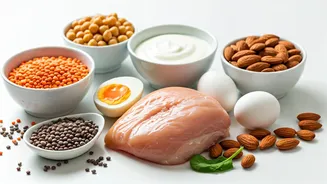
However, Dr. Dodeja clarifies that the benefits aren't solely dependent on whether one eats vegetarian or non-vegetarian food. He emphasizes that many non-vegetarian options can be healthy when selected thoughtfully. Lean protein sources such as fish, eggs, and chicken are excellent for providing high-quality protein, iron, zinc, vitamin B12, and omega-3 fatty acids. These nutrients play a crucial role in skin repair, maintaining the skin's barrier function, supporting collagen production, and preserving its elasticity. Ultimately, the impact on skin condition is more closely tied to the overall quality of the food consumed, the preparation methods, portion control, and the general balance of the entire diet, rather than the mere exclusion of meat.
Holistic Health Habits
Dr. Dodeja further posits that Karan Wahi's skin improvement might be attributed to a broader adoption of healthier lifestyle habits that often accompany a dietary shift, rather than just the absence of non-vegetarian food itself. When individuals move away from meat, they might naturally reduce their consumption of processed, greasy, fast, or sugary items, while increasing their intake of fresh produce and fiber. This shift can positively influence metabolism and help minimize dietary triggers that can exacerbate acne in susceptible individuals. Moreover, maintaining adequate hydration and establishing regular meal timings can also contribute significantly to achieving a healthier skin complexion and overall well-being.
Key for Skin Wellness
For optimal skin health, a focus on fresh, home-cooked meals is paramount. Limiting ultra-processed foods, ensuring sufficient hydration by drinking plenty of water, effectively managing stress levels, and prioritizing adequate sleep are fundamental practices. If an individual chooses to adopt a vegetarian diet, it is crucial to ensure they are obtaining enough protein, iron, vitamin B12, omega-3 fatty acids, and zinc from plant-based sources. In some instances, supplementation may be necessary to meet these essential nutrient requirements and maintain healthy skin.