



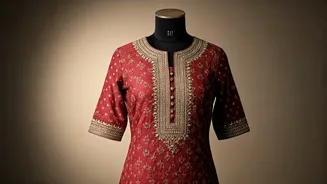
Beyond Binary Rules
The rigid categorization of clothing into "menswear" and "womenswear" is a relatively recent historical construct, not an immutable law. For much of human
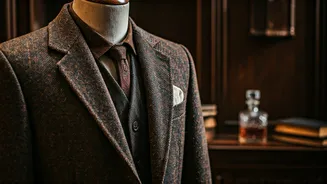
history, attire served to distinguish social standing through fabric and ornamentation rather than by gender. Ancient civilizations like the Egyptians, Greeks, and Romans favored draped garments worn by all. The shift towards a more subdued and utilitarian male wardrobe, known as the "great male renunciation," occurred in the late eighteenth century. This period saw men deliberately move away from elaborate decoration, effectively assigning visual expressiveness primarily to women's fashion. Concepts we now associate with gender, like pink being a strong color or tweed being feminine (originally a male garment from Scottish moors popularized by Coco Chanel for women), were products of specific cultural moments and historical accidents. These ingrained distinctions continue to influence design, retail spaces, and consumer guidance, but are now being actively challenged and dismantled.
Cultural Catalysts and Normalization
While fashion has seen gender-bending moments before, typically from the fringes with figures like David Bowie or Prince, the current shift is characterized by its scale and widespread normalization. What was once seen as a provocative statement is now becoming a mainstream expression. The pivotal moment for broad acceptance was arguably Harry Styles's 2020 Vogue cover, which translated gender fluidity into a digestible format for the wider public. This opened the door for a new generation of cultural influencers, including Timothée Chalamet and Jacob Elordi, who are not dressing to make a deliberate statement but rather as a natural extension of their personal style. Elordi, for instance, has been recognized for his impeccable style, including wearing a women's Chanel jacket during a press tour without external direction, signaling a broader acceptance of gender-fluid dressing. These individuals are not the instigators of this change but rather its embodiment, reflecting a fundamental shift in the consumer: a generation of men who are increasingly comfortable with ambiguity, emotional sensitivity, and diverse forms of self-expression through their clothing.
Commercial Implications for Retail
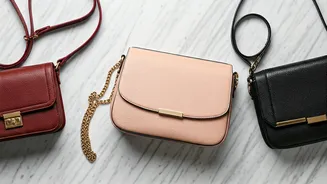
The male consumer embracing this evolving aesthetic is far from a niche demographic; they represent a significant and growing market segment. These individuals tend to be higher spenders, demonstrate greater brand loyalty, and are less susceptible to fleeting trend cycles compared to the streetwear-focused consumers of the past decade. Retailers who anticipated this shift by stocking brands that emphasize craftsmanship, texture, and a unique emotional resonance, such as Séfr, Bode, and Auralee, are already experiencing commercial success. This is evident in the burgeoning market for men's accessories, with search interest for "men's bags" growing by an impressive 3,750% over the past twelve months, outpacing women's bag searches. Specific categories like "tote bag" and "men's beach bag" are surging, indicating a normalization of items previously considered exclusively feminine. For buyers and brands, the practical takeaway is to focus on product assortment and quality craftsmanship, rather than gender labels, when integrating these styles. The global menswear market is projected to expand substantially, with evolving gender norms explicitly identified as a key driver of this growth, presenting a substantial commercial opportunity.
The Future: Romantic Realism
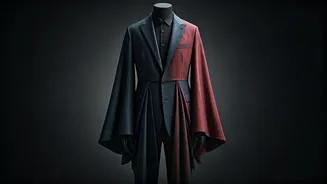
The future trajectory of menswear isn't heading towards a purely androgynous aesthetic as a statement of defiance. Instead, it's moving towards a more commercially viable approach that can be termed "romantic realism." This concept signifies a softening and enriching of the male wardrobe, prioritizing elements like sophisticated textures, artisanal craftsmanship, and a deeper emotional resonance over mere transgression. The core challenge for the fashion industry now lies in its ability to adapt its existing infrastructure – from buying departments and brand categorizations to trade shows and descriptive language – to accommodate this evolving consumer. The traditional separation of menswear and womenswear, a relic of the "great male renunciation" era, is no longer sustainable. Brands and retailers that recognize this paradigm shift, not as a social movement but as a tangible commercial reality, will be best positioned for future success. Ultimately, clothing has never inherently possessed a gender; the industry's architecture was built around a constructed notion, and now it faces the necessary task of rebuilding with a more inclusive and fluid understanding.