





Spice Synergy: Mustard & Crucifers
Cruciferous vegetables like broccoli, cauliflower, and cabbage are nutritional powerhouses, packed with beneficial compounds like sulforaphane. However,
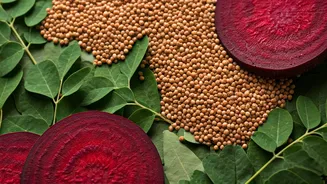
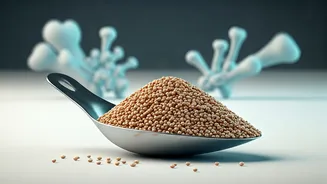
to fully harness their potential, pairing them with mustard seeds is a game-changer. The enzyme myrosinase, found abundantly in mustard seeds, works in tandem with the vegetables, significantly boosting the formation of sulforaphane. This synergistic effect ensures your body can better utilize the health-promoting properties of these vegetables. So, the next time you prepare a steamed broccoli or a cabbage slaw, don't forget a sprinkle of mustard seeds to activate this incredible nutritional synergy.
Citrus Boost for Lentils
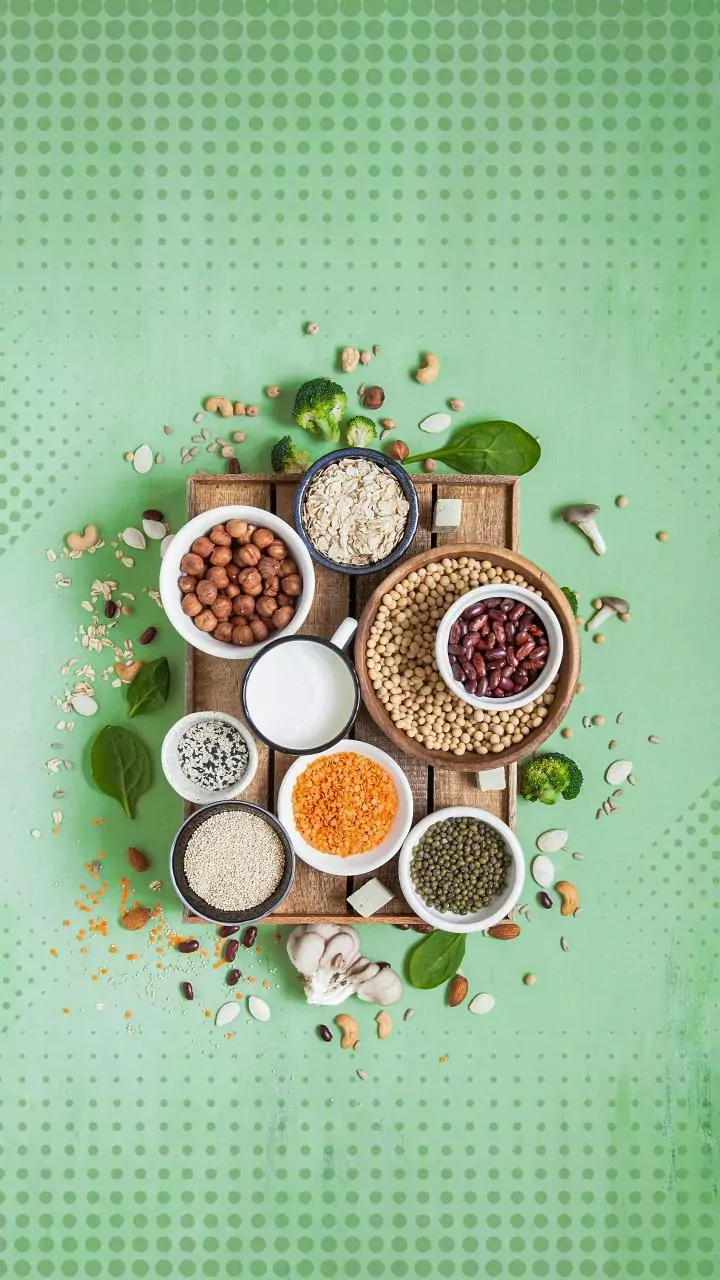
Lentils are a fantastic source of plant-based iron, also known as non-haem iron. While nutritious, this type of iron is not easily absorbed by the body on its own. To overcome this, incorporate citrus fruits into your lentil dishes. The vitamin C present in fruits like oranges, lemons, and grapefruits dramatically improves the bioavailability of non-haem iron, making it much more accessible for your body to use. This means a lentil salad with a lemon dressing or a sprinkle of orange segments can significantly enhance your iron intake from this legume.
Turmeric's Pepper Partner
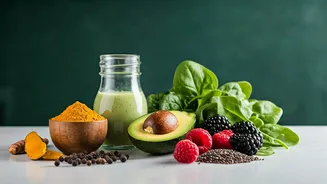
Turmeric, celebrated for its potent anti-inflammatory and antioxidant properties due to its active compound curcumin, often struggles with poor absorption when consumed in isolation. The culinary secret to unlocking its full potential lies in its classic pairing with black pepper. Black pepper contains piperine, a compound that remarkably enhances the bioavailability of curcumin, allowing your body to absorb and utilize its benefits much more effectively. This is why traditional Indian cuisine frequently features these two spices together, creating a powerful duo for health.
Fat for Leafy Greens
Vitamins A, E, and K are essential micronutrients, but they belong to a category known as fat-soluble vitamins. This means they require dietary fat to be properly absorbed by your body. Therefore, when enjoying nutrient-dense leafy greens like spinach, kale, or Swiss chard, it's crucial to include a source of healthy fat. Drizzling them with olive oil or adding slices of avocado to your salads ensures that your body can effectively absorb these vital vitamins, maximizing the nutritional value of your greens.
Cooked Tomatoes & Fat
Tomatoes owe their vibrant red hue to lycopene, a powerful antioxidant. While raw tomatoes offer benefits, cooking them, especially with a source of fat like olive oil, significantly boosts the bioavailability of lycopene. The heat from cooking breaks down the plant cell walls, releasing more lycopene, and the presence of fat aids in its absorption. This is why tomato-based sauces and soups, often prepared with olive oil, are a more effective way to consume this beneficial compound than eating raw tomatoes alone.
Carrots Need Fat
Carrots are rich in beta-carotene, a precursor that your body converts into vitamin A, vital for vision, immune function, and cell growth. However, beta-carotene is a fat-soluble nutrient, meaning it requires dietary fat for optimal absorption. Adding a source of healthy fat, such as ghee or olive oil, when preparing carrots, whether by roasting or steaming, ensures your body can efficiently convert and utilize this important nutrient. This simple addition enhances both the flavour and the nutritional payoff of this beloved root vegetable.
Yogurt & Seeds for Gut
Combining yogurt with seeds like chia or basil is a beneficial practice for gut health. Yogurt provides probiotics, which are beneficial live bacteria that support a healthy digestive system and immune function. Chia and basil seeds, on the other hand, are excellent sources of dietary fiber, which aids in digestion, promotes regularity, and feeds the beneficial gut bacteria. This pairing offers a synergistic approach to improving gut health, delivering both essential microorganisms and the fuel they need to thrive.