




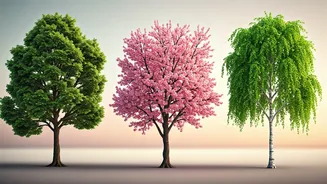


The Visual Puzzle
Step away from tedious surveys and dive into a lighthearted personality assessment designed to offer an honest reflection of your inner self. This engaging
method involves a single optical illusion, asking you to simply observe and identify what element captures your attention initially. The power of this test lies in its simplicity; it avoids the typical fatigue associated with personality questionnaires, offering instead an immediate glimpse into your social inclinations and how you naturally interact with the world around you. It poses a fundamental question: do you find your energy fueled by bustling social gatherings, or do you prefer the serene embrace of solitude? By noticing your first reaction to the image, you can begin to decode these aspects of your true nature and understand what truly makes you feel at home.
Seeing the Trees
If your initial glance was drawn to the distinct image of two trees, the test suggests you resonate more with the extroverted end of the personality spectrum. Individuals who perceive the trees first often possess a natural effervescence, capable of transforming any environment into a more vibrant space simply by their presence. They tend to be adept conversationalists, comfortable initiating discussions with unfamiliar individuals and maintaining engaging dialogue for extended periods. These individuals frequently serve as a grounding force within their social circles, offering emotional support and stability. Social interaction is not perceived as an effort but rather as an innate and effortless aspect of their existence, akin to breathing. However, this strong capacity for connection can also present a challenge; prolonged periods of quietude or isolation may lead to feelings of restlessness, boredom, or a sense of disconnection, unless these moments are filled with stimulating activities that genuinely ignite their passion. The inherent optimism and open disposition of such individuals often serve as a powerful asset, helping them navigate through adversities, even when social dynamics or personal circumstances become challenging.
Spotting the Woman
Should the subtle silhouette of a woman be the first element to register in your perception, the test indicates a stronger inclination towards introversion. It is crucial to understand that introversion is not synonymous with shyness, social awkwardness, or any form of deficiency; rather, it signifies a conscious and selective approach to expending personal energy and allowing others into one's personal space. Introverts do not inherently dislike people; they prioritize the preservation of their personal boundaries, quietude, and mental sanctuary. For those who identify with this trait, periods of solitude are not merely a preference but a vital necessity for rejuvenation. Whether it involves revisiting a cherished television series, immersing oneself in the narrative of a book, or simply observing the tranquil beauty of rainfall from a window, introverts find their energy best replenished when the external world quiets down. When engaging in social activities, they typically gravitate towards smaller, more intimate groups of trusted companions rather than large, boisterous gatherings. Furthermore, introverts are often highly perceptive, attuned to nuances in body language, subtle shifts in vocal tone, and minute details that might escape the notice of others. Their minds are rich with thoughts, questions, and reflections, though these internal dialogues may not always be outwardly expressed. Occasionally, an introvert's composed demeanor or reserved nature might be misinterpreted as aloofness. However, this outward calm often stems from a deep-seated valuing of authenticity over the performance of social expectations.
Seeing Both Simultaneously
For those who observed both the woman and the trees with equal immediacy, or nearly so, the test categorizes you as an ambivert. This designation signifies a delightful flexibility in social engagement, where you can seamlessly transition between being the life of the party one day and enjoying a quiet evening with a book the next. Ambiverts do not feel confined by the rigid definitions of either introversion or extroversion; instead, they possess the innate ability to navigate between these two spectrums, adapting their social energy based on their current mood, the company they are with, or the specific circumstances of the situation. This balanced approach allows for a rich and varied social experience, drawing strengths from both introverted reflection and extroverted engagement.
Reflection and Self-Awareness
While these visual tests offer an enjoyable pathway to self-discovery, it's important to remember they are not rigorous psychological diagnostics. Their true value lies in prompting a moment of pause and introspection, encouraging individuals to question and explore their own feelings and behaviors without the pressure of definitive 'right' or 'wrong' answers. You are not obligated to wholly accept every label presented. Instead, utilize these insights as catalysts for deeper reflection on how you genuinely feel in various social settings, what activities truly recharge your personal energy reserves, and whether there are aspects of yourself you wish to further embrace or thoughtfully adjust. Regardless of whether your initial perception leaned towards introversion, extroversion, or ambiversion, the fundamental message remains: your inherent self is perfectly complete and valuable, exactly as you are. These assessments can also serve as excellent springboards for conversation, fostering better understanding among friends, family, and colleagues when shared and discussed.