


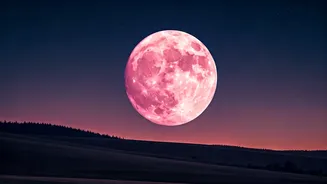
Timing the Pink Moon
Mark your calendars for a spectacular lunar event as April's first full moon, traditionally known as the 'Pink Moon,' reaches its zenith. While the peak
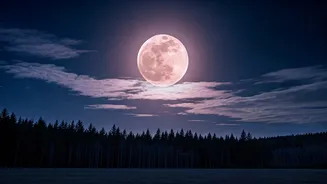
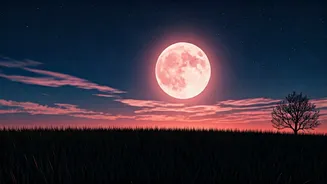
illumination occurs in the early hours of April 2nd, the preceding evening, April 1st, offers the most enchanting viewing opportunity. For the best vantage point, aim to observe the moon as it begins its ascent above the horizon just as twilight deepens. This timing allows for the most dramatic and picturesque display, making it a prime moment for skygazers to prepare their equipment and step outside to appreciate this monthly celestial highlight.
The Misnomer Revealed
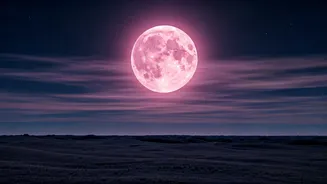
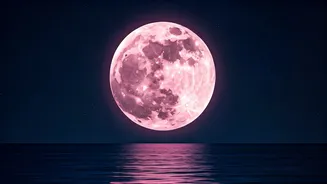
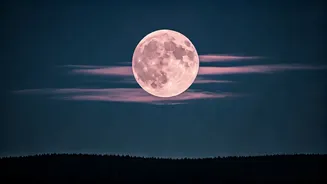
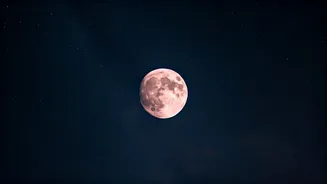
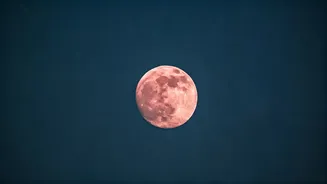
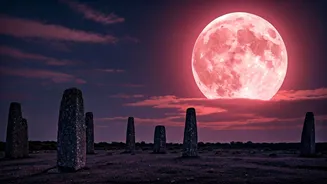
Contrary to its evocative name, April's full moon will not be a vibrant shade of pink. The 'Pink Moon' moniker originates from ancient traditions, specifically from early Native American tribes who used lunar cycles to track the changing seasons. This particular full moon was named to coincide with the blooming of the wild ground phlox, a beautiful pink wildflower that signals the arrival of spring. Therefore, the name is a historical reference to a terrestrial event, rather than a descriptor of the moon's actual color. Expect to see the moon exhibiting warm tones of orange, copper, or golden yellow rather than pink.
Science of the Glow
The captivating orange and golden hues often observed during a low-hanging full moon are due to a fascinating interplay of light and Earth's atmosphere. When the moon is near the horizon, the light reflecting off its surface must travel through a significantly greater thickness of our atmosphere to reach our eyes. This atmospheric journey causes shorter wavelengths of light, such as blues and violets, to scatter away in all directions. The longer wavelengths, corresponding to reds, oranges, and yellows, are less affected and manage to penetrate the atmosphere, painting the moon with its characteristic warm, fiery appearance. This same optical phenomenon is responsible for the breathtaking colors seen during sunrises and sunsets.
Virgo's Brilliant Companion
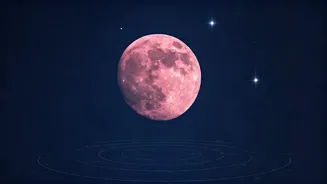
This month's full moon brings an added celestial treat for those who take the time to observe the night sky closely. Nestled near the moon, you'll likely spot an exceptionally bright point of light. This isn't just any star; it's Spica, a prominent binary star system that resides within the constellation Virgo. The proximity of Spica to the radiant full moon creates a particularly striking and dynamic visual composition in the night sky, offering astronomy enthusiasts a dual spectacle to admire during the lunar event.
Holiday Significance
Beyond its aesthetic appeal, the 'Pink Moon' holds considerable cultural and religious importance, serving as a crucial marker for the timing of major global holidays. Its appearance directly influences the dates for both Easter and Passover. According to ancient astronomical rules, Easter is observed on the first Sunday following the first full moon after the spring equinox. With this year's spring equinox occurring on March 20th, April's full moon effectively determines the date for the upcoming Easter celebration, underscoring its role as a pivotal celestial calendar event.
Weather Watch
The visibility of any astronomical event is inherently dependent on atmospheric conditions. For observers in the UK, the forecast for April 1st presents a mixed outlook. While England and Wales may experience frustratingly heavy cloud cover and intermittent rain, potentially obscuring the view, Scotland and Northern Ireland are predicted to enjoy clearer skies. These northern regions, benefiting from colder air masses, offer the highest probability of unobstructed viewing of the 'Pink Moon.' Regardless of the specific conditions, taking a moment to look up on Wednesday night is encouraged as the spring sky awakens.