



The Science of Malai
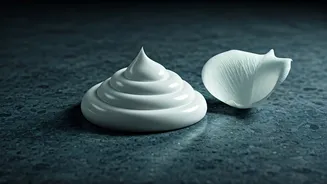
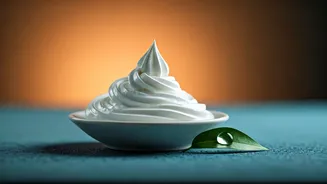
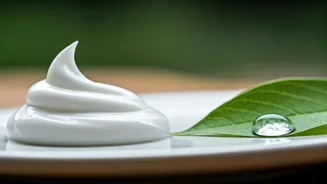
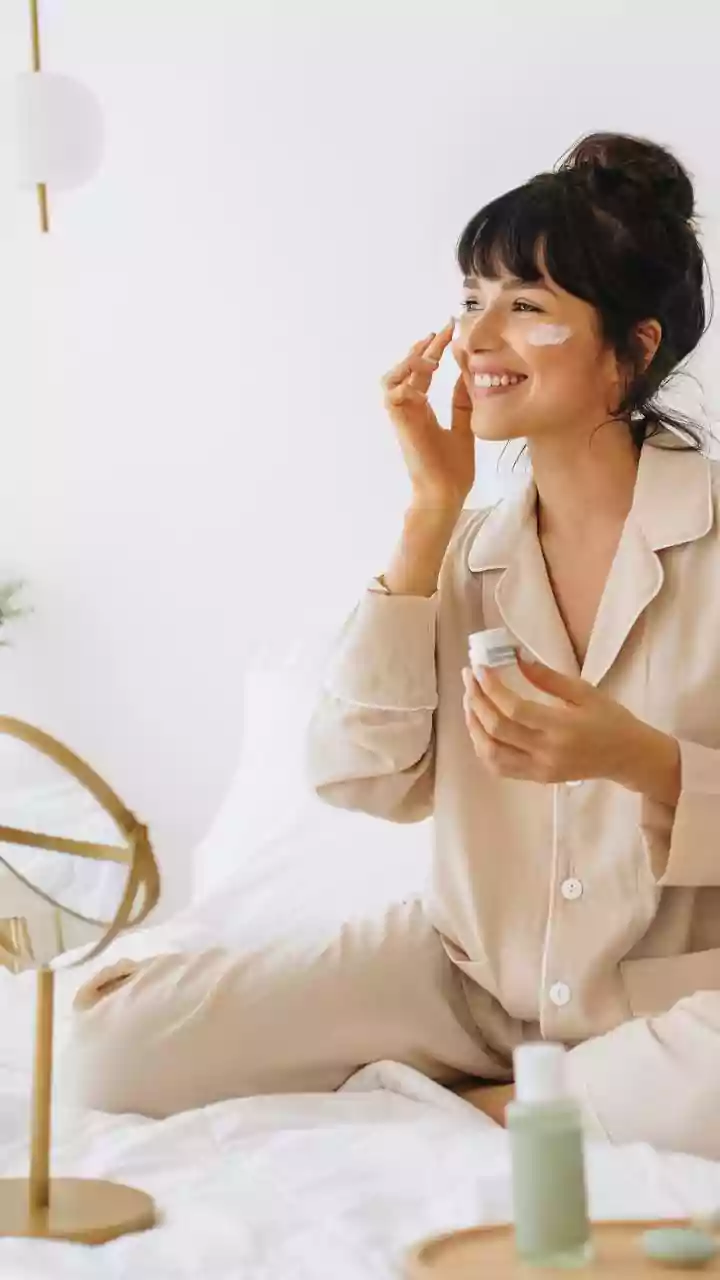
Malai, the rich cream skimmed from fresh milk, is far more than just a nostalgic remedy; it's a potent skincare ingredient backed by science. Its effectiveness
stems from its unique composition, particularly its lactic acid content. As an Alpha Hydroxy Acid (AHA), lactic acid gently works to dissolve the bonds that hold dead, sun-damaged skin cells together, promoting a healthy cycle of skin cell renewal. Simultaneously, the abundant natural fats (lipids) within malai play a crucial role in fortifying the skin's natural barrier. This dual action ensures that while exfoliation occurs, the skin is also deeply hydrated and protected, avoiding the micro-tears often caused by harsh physical scrubs. It essentially offers a mild chemical peel effect without the associated redness or irritation, leaving skin smoother and revitalized.
Malai and Turmeric for Glow
For an instant radiance boost before a special occasion, the combination of malai and turmeric is exceptionally effective. Turmeric is renowned for its active compound, curcumin, which possesses powerful anti-inflammatory and antioxidant properties. These properties help regulate melanin production, effectively combating tan and dullness. To prepare this brightening mask, combine one tablespoon of fresh malai with a very small pinch of wild turmeric. It's advisable to use kasturi haldi (wild turmeric) to prevent any temporary yellow staining of the skin. Apply an even layer of this mixture onto the tanned areas and allow it to sit for 15 to 20 minutes. Rinse off thoroughly with lukewarm water to reveal a visibly brighter complexion.
Malai, Besan, and Rose Water
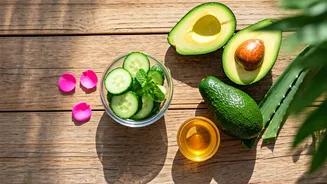
Individuals with oily skin might be hesitant to use pure cream, fearing increased oiliness. However, malai can be adapted into a beneficial treatment for oily complexions by incorporating besan (gram flour) and rose water. This blend transforms malai into a mask that effectively manages excess sebum while still providing exfoliation. Mix one tablespoon of malai with a spoonful of besan. Gradually add rose water until a smooth, consistent paste is formed. The besan serves as a gentle physical exfoliant and absorbs excess oil from the cream, making it suitable for those prone to breakouts. Apply this paste to the face and allow it to semi-dry for approximately 15 minutes. Before rinsing, gently massage the skin in circular motions to physically slough away loosened dead skin cells and impurities.
Malai and Lemon for Tan
To tackle stubborn, deeply set tans, a more potent combination is required, leveraging the exfoliating and brightening properties of both malai and lemon. Lemon juice is rich in Vitamin C and citric acid, a natural bleaching agent that effectively targets pigmentation. However, applying lemon juice directly can be damaging to the skin's barrier. Malai acts as a crucial buffer, diluting the acidity of the lemon juice and allowing its benefits to be delivered without causing harshness or burning. For this potent treatment, combine one tablespoon of malai with half a teaspoon of freshly squeezed lemon juice. Apply this mixture solely to the tanned areas, leaving it on for a maximum of 10 to 15 minutes. Rinse off with cool water to reveal a more even skin tone.
Essential Care Tips
Before incorporating malai treatments into your routine, it's crucial to adhere to a few guidelines to ensure optimal results and skin safety. Limit these treatments to two to three times per week; even gentle exfoliation can lead to over-exfoliation if done too frequently. Pay close attention to water temperature when rinsing; hot water can strip away the beneficial fats your skin has absorbed, so always opt for cool or lukewarm water. Most importantly, diligent sunscreen use is non-negotiable. As these treatments reveal fresh, new skin cells, your skin becomes exceptionally sensitive to UV radiation. Neglecting sunscreen post-treatment can lead to faster tanning and negate the benefits you've worked to achieve.