




Midlife Body Shifts
As women approach their 40s, the body undergoes significant hormonal recalibration. Fluctuations in estrogen and progesterone, hormones critical for much
more than just the menstrual cycle, begin to impact metabolism, muscle repair capabilities, sleep patterns, fat distribution, mood regulation, and overall energy levels. A decline in estrogen, particularly during perimenopause and menopause, often leads to observable changes such as increased abdominal fat accumulation, a reduction in muscle mass, diminished energy reserves, slower post-exercise recovery, heightened inflammation, and compromised sleep quality. While men also experience hormonal changes with age, women navigate a more acute and compressed hormonal transition. This distinct biological experience means that exercise, especially intense cardio sessions, can disproportionately elevate stress hormones like cortisol in women compared to men, particularly when foundational elements like sleep, nutrition, and recovery are already compromised. For instance, a 45-minute intense cardio workout that a man might tolerate well could push a woman's stress response to a greater extent, highlighting the need for a more nuanced approach to fitness in midlife.
The Cardio Conundrum
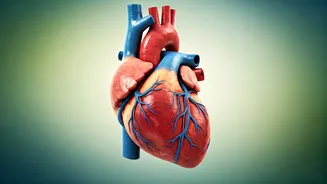
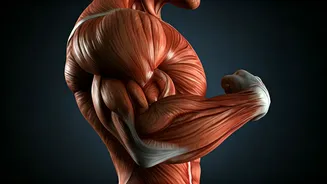
Cardiovascular exercise undeniably offers substantial benefits for heart health, circulatory function, pulmonary capacity, and psychological well-being. However, the challenge arises when cardio becomes excessive, dominating a fitness regimen to the exclusion of other crucial elements. Many women in their 40s and beyond may inadvertently fall into a detrimental cycle: engaging in high volumes of cardio, drastically reducing food intake, experiencing muscle loss instead of fat reduction, feeling perpetually fatigued, and observing diminishing returns on their efforts. This overemphasis on cardio can trigger chronically elevated cortisol levels, the body's primary stress hormone. Prolonged high cortisol can contribute to the accumulation of stubborn belly fat, persistent fatigue, intense cravings for certain foods, and disruptions to sleep architecture. The US Office on Women's Health points out that women naturally experience a decrease in muscle mass as they age, making muscle preservation an especially important objective after 40. Many conventional fitness plans fall short here by focusing solely on calorie expenditure and neglecting the essential task of safeguarding muscle. Muscle is fundamental, underpinning metabolic rate, enhancing balance, regulating blood sugar, reinforcing bone strength, and ensuring long-term mobility. Its rapid decline can significantly complicate the aging process.
Strength: The New Essential
For many women, the most beneficial adjustment to their fitness routine after turning 40 isn't necessarily about increasing exercise duration or intensity, but rather about shifting the focus. Strength training emerges as a critical component, directly counteracting the age-related decline in muscle mass. Furthermore, it plays a pivotal role in supporting bone density, a factor that becomes increasingly crucial post-menopause due to the heightened risk of osteoporosis linked to falling estrogen levels. The Centers for Disease Control and Prevention (CDC) recommends that older adults engage in muscle-strengthening activities at least twice weekly. This doesn't necessitate embarking on a regimen of extremely heavy lifting or dedicating countless hours to the gym; effective strength work can be achieved through various methods, including resistance bands, bodyweight exercises, Pilates, using light dumbbells, and incorporating functional movement training. A noteworthy outcome reported by women who integrate strength training into their routines is an improvement in how their bodies respond to other forms of exercise, even when they reduce their cardio. This enhanced response stems from muscle's ability to improve metabolic efficiency, meaning the body becomes more adept at utilizing energy rather than feeling consistently depleted.
Rebalancing for Longevity
The overarching philosophy of fitness for women over 40 should transition towards promoting longevity and overall well-being, rather than engaging in self-punishment. This paradigm shift often translates into practical changes, such as incorporating more walking and moderating high-impact running, prioritizing the development and maintenance of muscle mass over solely focusing on calorie expenditure, actively protecting joint health, effectively managing stress, ensuring consistent exercise participation rather than sporadic intense bursts, and fueling the body with adequate nutrition. While cardio remains vital for cardiovascular health, an exclusive reliance on it, without the complementary support of strength training, proper recovery, and balanced nutrition, can inadvertently lead to a feeling of aging rather than enhanced health. The objective in midlife subtly evolves; it's no longer about shrinking the body at any cost but about cultivating a body that possesses sustained energy, robust strength, excellent mobility, and resilience for the many decades to come. This reframing of fitness may ultimately represent a healthier and more sustainable approach to well-being.