






Interpreting Your Readings
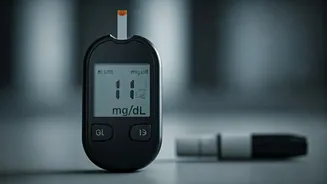
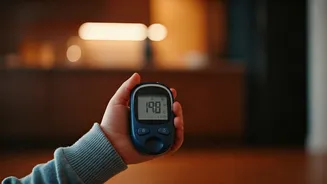
Encountering a fasting blood glucose reading of 111 mg/dL alongside an HbA1c of 5.5% can spark questions about your health status. Ideally, fasting blood sugar
should remain below 100 mg/dL. A level of 111 mg/dL typically signals impaired fasting glucose, commonly referred to as prediabetes. However, your HbA1c result of 5.5% falls comfortably within the normal range, which extends up to 5.7%, indicating that your average blood sugar levels over the past two to three months have been well-controlled. This apparent discrepancy might seem puzzling, but it's a scenario that many individuals experience. A single fasting glucose measurement can be influenced by transient factors such as recent stress, insufficient sleep, a late-night meal, or even a minor illness. The HbA1c, on the other hand, provides a more comprehensive overview of your glucose control, suggesting that your overall blood sugar management has been consistent.
Prediabetes Signals and Opportunities
Instead of viewing this situation as a cause for alarm, it's best understood as an early indicator and a valuable chance to implement preventive measures. This combination of readings suggests that while you are not currently diagnosed with diabetes, your body might be exhibiting subtle signs of insulin resistance. This means your cells aren't responding as effectively to insulin, the hormone that helps glucose enter your cells for energy. Recognizing this early allows for proactive management. It's a clear signal to pay closer attention to your well-being and adopt habits that can help maintain healthy blood sugar levels and prevent the progression to type 2 diabetes. This isn't a diagnosis of full-blown diabetes, but rather a sign that your body is in a transitional phase and requires attention.
Actionable Lifestyle Adjustments
The primary recommendation for addressing this situation is to focus on enhancing your lifestyle rather than immediately resorting to medication. Engaging in regular physical activity is paramount; aiming for at least 30 to 45 minutes of brisk walking or a comparable exercise most days of the week can significantly improve your body’s sensitivity to insulin. Alongside exercise, your dietary choices play a crucial role. Reducing the intake of refined carbohydrates, consciously controlling portion sizes, and increasing your consumption of fiber-rich foods from sources like vegetables, whole grains, and legumes can effectively help in stabilizing your blood sugar levels. Furthermore, don't underestimate the importance of maintaining a healthy weight, ensuring you get adequate sleep, and effectively managing stress levels – these factors are frequently overlooked but are equally vital for overall metabolic health and blood sugar regulation.
Next Steps and Monitoring
To gain a clearer understanding of your fasting glucose levels, Dr. Ghody advises re-evaluating them after a few weeks, ensuring these follow-up tests are conducted under optimal conditions that include adequate sleep and proper fasting. If, after these measures, your fasting levels continue to remain elevated, seeking consultation with a qualified healthcare professional is the recommended course of action. In certain instances, your doctor might suggest further diagnostic tests, such as a post-meal blood sugar test or an oral glucose tolerance test (OGTT), to provide a more comprehensive assessment of your glucose metabolism and to get a clearer picture of your individual situation. Proactive engagement with your health and consistent implementation of small lifestyle changes can be instrumental in averting future diabetes.