







Cannonball Tree's Display
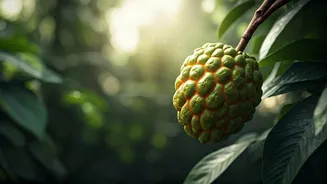
Prepare to be astonished by the Cannonball Tree, a tropical spectacle renowned for its enormous, rust-colored fruits that startlingly resemble cannonballs.
These hefty fruits, weighing several kilograms, hang directly from the tree's trunk, creating a truly dramatic visual. Botanically adventurous travelers can seek out these trees in the verdant botanical gardens of Sri Lanka and across southern India. In India, this tree holds a revered status and is known locally as the 'Nagalingam' tree, adding a cultural layer to its botanical allure.
Miracle Fruit's Taste
Experience a taste bud transformation with the Miracle Fruit, a small, lemon-like fruit with an astonishingly sweet flavor. Native to West Africa, its magic lies in a unique protein called miraculin, which temporarily rewires your palate to perceive sour tastes as intensely sweet. This botanical marvel can be found on specialized farms in Ghana, as well as in parts of Japan and Florida. The phenomenon has become so popular that dedicated miracle fruit tasting sessions are now a sought-after experience for tourists.
Jabuticaba's Bark
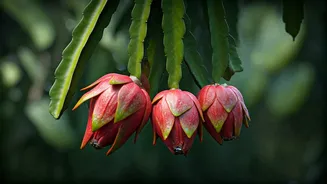
At first glance, the Jabuticaba tree might seem afflicted with a strange disease, its trunk and branches densely covered in dark purple fruits that appear to be directly adhered to the bark. However, this unusual presentation belies an incredibly sweet and delightful flavor, often likened to a blend of grape and lychee. Travelers have described encounters with this tree as 'otherworldly.' The best places to witness and taste Jabuticaba are in Brazil, specifically within the states of Minas Gerais and São Paulo.
Durian's Potent Aroma
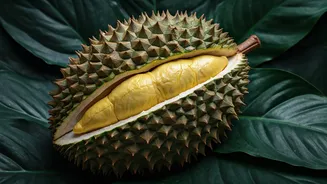
Infamous as the 'smelliest fruit in the world,' the Durian elicits strong reactions globally, dividing opinions like few other foods. While some enthusiasts praise its rich, custard-like sweetness, others are repulsed by its pungent aroma, often compared to decaying matter. Beyond its controversial scent, the Durian tree itself is an impressive specimen. This polarizing fruit is abundant and widely available in Thailand, Malaysia, Singapore, and Indonesia.
Sausage Tree's Fruit
Often dubbed Africa's hanging curiosity, the Sausage Tree lives up to its name with its remarkable display of enormous, sausage-shaped fruits that dangle prominently from the tree. These fruits can reach lengths of over two feet. While visually striking, they are not typically consumed fresh. Travelers on safari in Kenya, Tanzania, and South Africa will frequently encounter these distinctive trees, usually found thriving near rivers and within wildlife reserves.
Buddha's Hand Citrus
The Buddha's Hand citrus presents a truly unique appearance, diverging significantly from typical citrus fruits. Its segmented, finger-like protrusions give it an almost octopus-like form. Unlike its juicier relatives, this fruit contains very little juice, making it primarily used for its aromatic zest and fragrance. You can often find these fascinating fruits adorning temple gardens and fruit markets throughout China and Japan.
Baobab's Iconic Shape
Instantly recognizable, the Baobab tree possesses an iconic silhouette that often gives the impression of being planted upside down, with its roots appearing to reach for the sky. Its velvety, nutrient-rich fruit contains a pulp valued for its high vitamin content. This pulp is commonly incorporated into various drinks and snacks across Africa. For an unforgettable view of these majestic trees, travelers should head to Madagascar, particularly the famed Avenue of the Baobabs, one of the most photographed tree-lined routes globally.
Ackee's National Status
Ackee holds the prestigious title of Jamaica's national fruit. When ripe, this vibrant red fruit naturally splits open to reveal a creamy, yellow flesh surrounding shiny black seeds. It's crucial to consume ackee with caution, as unripe portions are toxic. Visitors to Jamaica frequently join local culinary tours to learn about its preparation and enjoy this unique fruit as part of their cultural exploration.
Mangosteen: Queen's Reign
Often eclipsed by its more notorious cousin, the durian, the Mangosteen is rightfully celebrated as the 'Queen of Tropical Fruits.' This exquisite fruit, encased in a thick, deep purple rind, encloses segments of succulent white flesh renowned for its perfect balance of sweetness and tartness. The trees that bear this delicacy prefer humid tropical environments and grow at a relatively slow pace. Travelers can savor Mangosteen in Thailand and Vietnam, particularly during the monsoon season.
Snake Fruit's Texture
The Snake Fruit, also known as salak, is a truly peculiar tropical delight. Its distinctive reddish-brown scaly skin bears a striking resemblance to snakeskin, giving it its memorable name. This fruit grows in clusters at the base of palm trees. Inside, the flesh is a pale cream color with a satisfyingly crunchy texture, often compared by tasters to a combination of apple, pineapple, and banana. The primary location to find this intriguing fruit is Indonesia, with strong popularity in regions like Bali, Java, and Yogyakarta.