



India's Fashion Heritage
Fashion in India has a rich history, deeply interwoven with the country's diverse cultural tapestry. For centuries, clothing has been a vital form of self-expression,
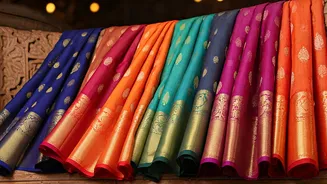
reflecting the unique identities of various communities. Traditional garments such as the saree, salwar kameez, and dhoti-kurta represent specific regions, customs, and social positions. The motifs, colors, and designs seen in Indian attire also tell stories, reflecting the influence of historical events, religious practices, and the natural world. The skills and artistry of local craftspeople are central to the production of these garments. Hand-woven textiles, intricate embroidery, and traditional dyeing methods highlight the country's rich heritage. The evolution of fashion has been closely associated with the social and cultural shifts in India. From the opulent clothing of the royal families to the everyday wear of commoners, the style reflected the prevailing social norms and values of the time. The transition to the modern era witnessed the interaction of Indian fashion with global influences, leading to innovative combinations of style and design.
Key Fashion Trends
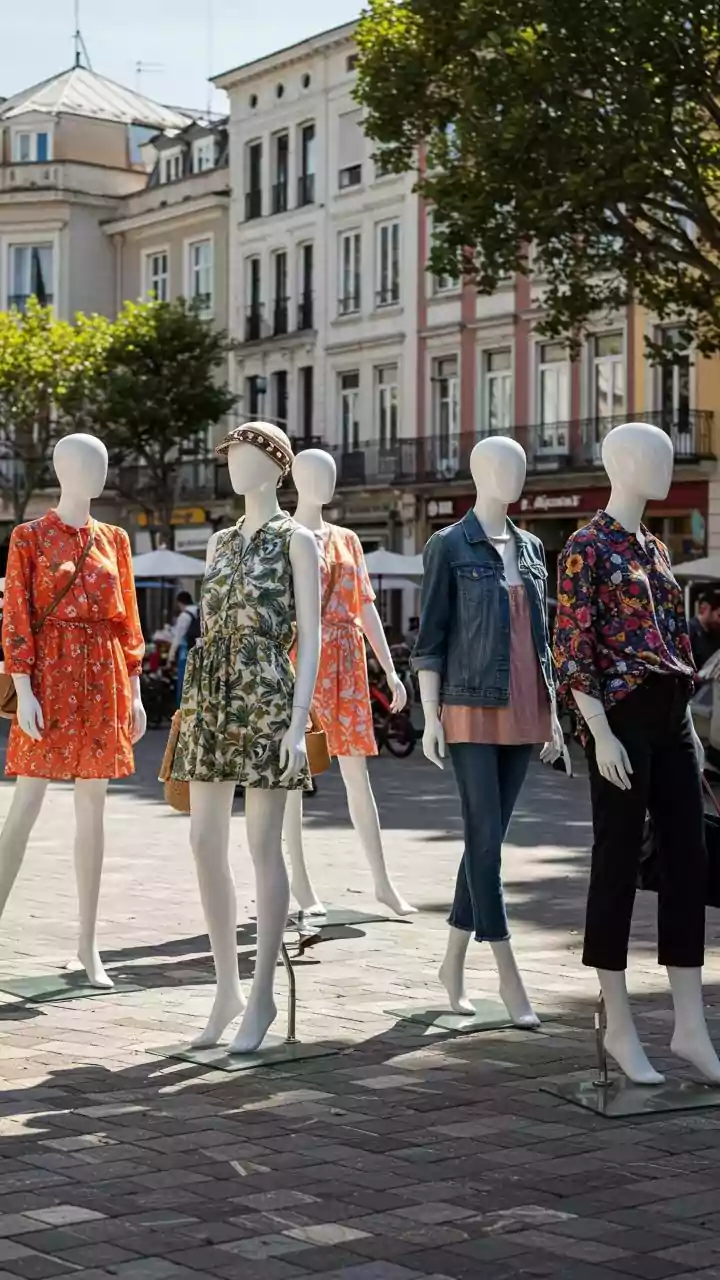
Contemporary Indian fashion is a vibrant landscape of trends, with styles constantly evolving. Currently, fusion wear is in vogue. This trend blends traditional Indian elements with Western silhouettes. Think of a saree with a contemporary blouse or a kurta paired with jeans. Sustainable fashion is gaining momentum too, with a growing number of designers and brands emphasizing eco-friendly practices and ethical sourcing. Comfort and practicality have also emerged as important factors, reflected in the popularity of relaxed fits and casual wear. Athleisure, the fusion of athletic and leisure clothing, is becoming common, particularly among the youth. Bold colors and striking patterns are still favored, and vintage styles like flared pants and oversized jackets have made a comeback. The influence of social media and global fashion trends is also important. The internet and influencers have enabled fashion trends to spread rapidly, with styles from around the globe inspiring Indian designers and consumers alike.
Influencers & Designers
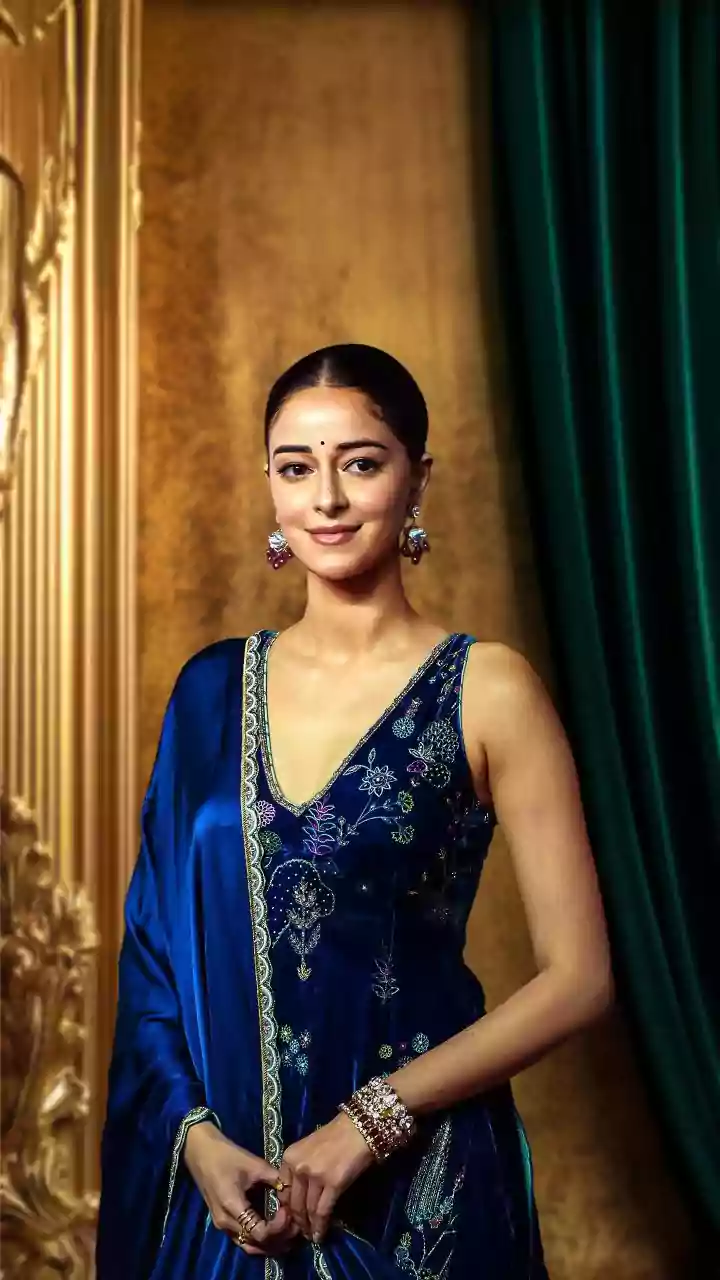
Fashion in India is shaped by the contributions of several influential individuals. Designers, both established and emerging, play a vital role, crafting collections that capture the essence of Indian culture while embracing global influences. Renowned designers like Sabyasachi Mukherjee and Manish Malhotra, known for their opulent designs and celebrity clientele, have significantly shaped contemporary Indian fashion. Social media influencers and bloggers have a massive impact, sharing style tips, promoting new trends, and fostering dialogues around fashion, with their reach expanding rapidly across different demographics. Celebrities and Bollywood personalities also hold considerable sway. Their fashion choices often drive trends, inspiring fans and influencing the way they dress. Furthermore, fashion houses, brands, and retailers contribute by promoting creativity, introducing new styles, and catering to a wide range of tastes and preferences. Collectively, these forces contribute to a dynamic fashion landscape in India, constantly reinventing and reinterpreting the nation's rich legacy.
Styles & Designs
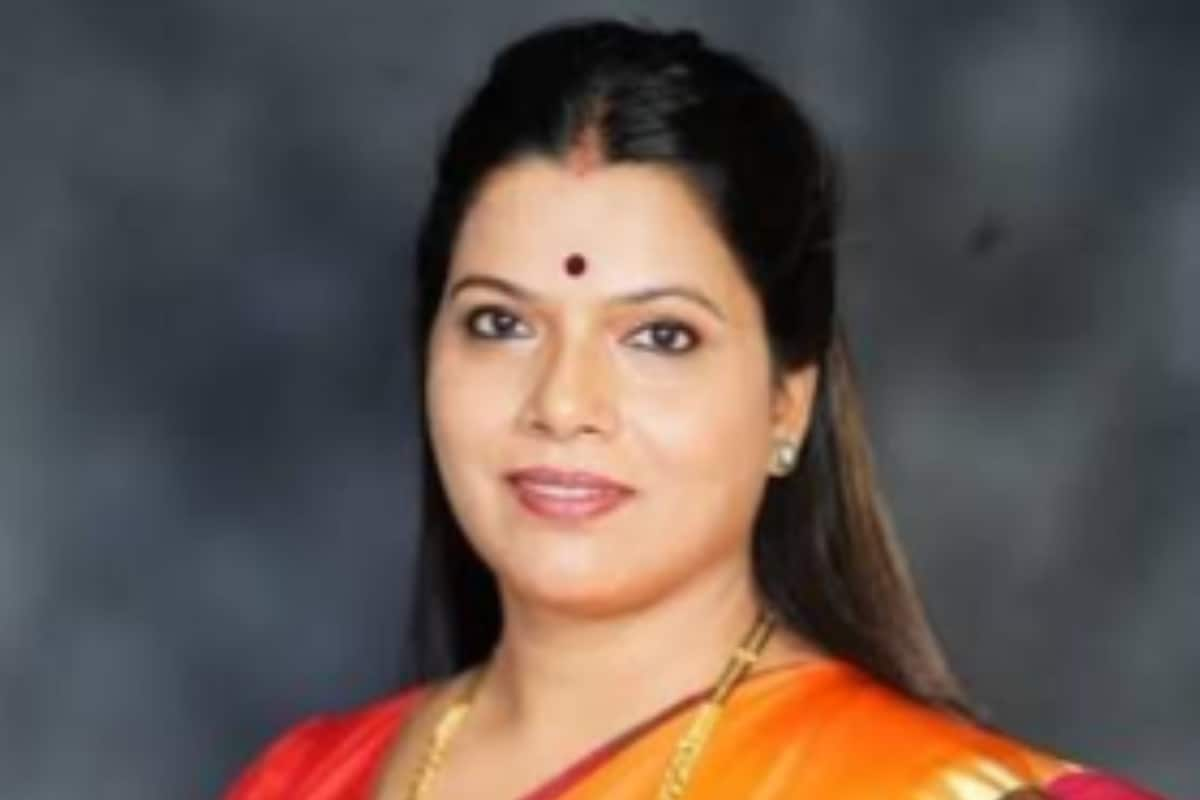
Indian fashion embraces a range of styles and designs, reflecting the country's diversity. Traditional garments like sarees and lehengas continue to be significant. The saree, with its various draping styles and regional variations, is a symbol of elegance. The lehenga, often worn during weddings and celebrations, is known for its intricate embellishments and luxurious fabrics. Modern wear includes a wide variety of clothing, from Western-inspired outfits to fusion styles that blend traditional and contemporary elements. Kurtis, a form of tunic, are popular among women for their comfort and versatility, and they are frequently paired with leggings or jeans. Menswear has also evolved, incorporating classic styles like the kurta-pyjama and sherwani, along with modern options such as suits and casual wear. Design details range from intricate embroidery and embellishments on festive wear to simple, clean lines in everyday clothing. Fabrics like silk, cotton, and linen are widely used, representing both heritage and comfort.
Impact of Globalization
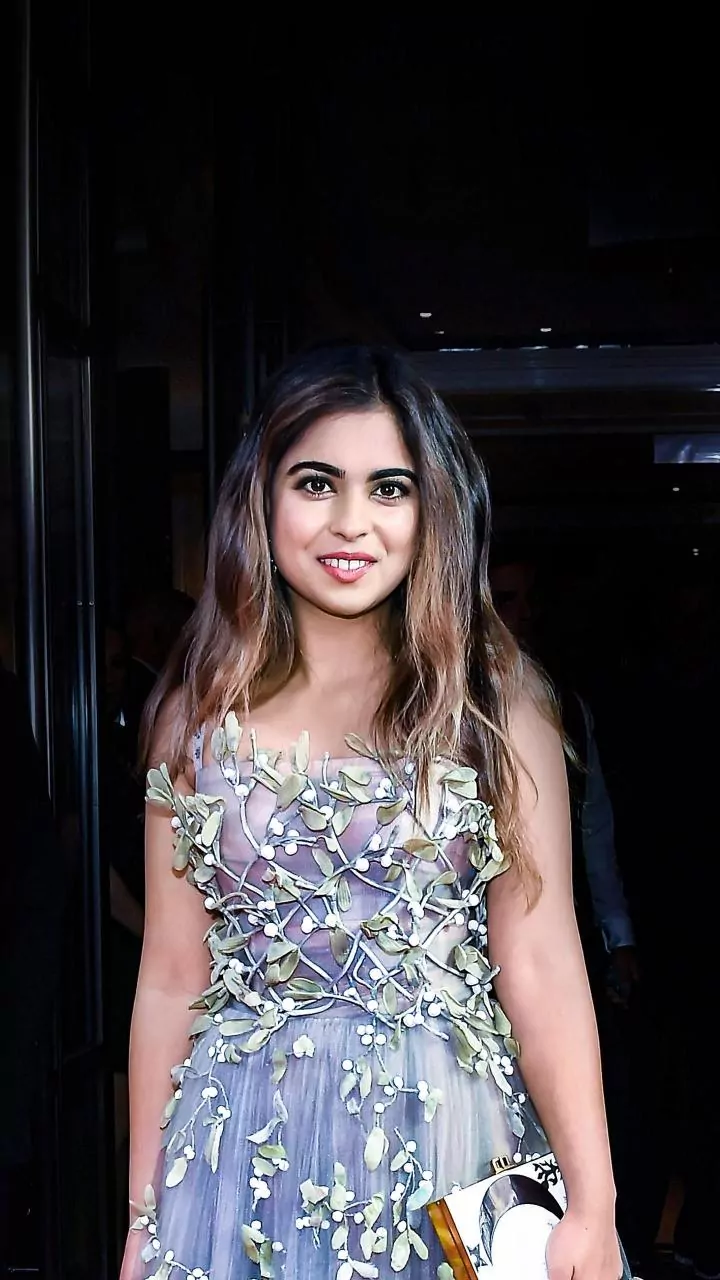
Globalization has greatly influenced the fashion landscape in India. Increased exposure to global trends through media, social platforms, and travel has broadened the horizons of Indian consumers. International fashion brands have entered the Indian market, presenting a variety of styles and choices. The merging of global and local trends is evident in the fashion collections and design aesthetics. Designers are incorporating Western silhouettes, fabrics, and design elements while retaining the essence of Indian culture. Globalization has also sparked conversations about cultural appropriation and the ethics of fashion. The accessibility of international trends and designs has increased awareness, but there are also concerns about the dominance of Western fashion and its effects on the uniqueness of Indian styles. Local designers have adapted to these transformations, showcasing their creative talent and competing in the global market. Furthermore, sustainability and ethical practices have become important, with a growing number of Indian fashion brands focusing on these issues in their production and sourcing procedures.
Future of Fashion
The future of Indian fashion is poised for exciting transformations. With technological advancements, digital innovation will play a major role in the design and retail sector. Virtual try-on experiences, customized clothing, and online shopping platforms are expected to gain popularity. Sustainability will be a core focus. Conscious consumption will be important, with consumers demanding eco-friendly, ethically sourced products. The integration of technology and craftsmanship will continue, with designers using technology to improve traditional methods. The industry is also expected to become more inclusive and diverse. Designers are increasingly catering to a variety of body types, ethnicities, and gender identities, reflecting the changing cultural landscape. The evolving consumer behavior and changing values will also influence the future of the industry. The industry will need to adapt to the new consumer preferences, embracing innovation, sustainability, and cultural relevance to thrive in a rapidly changing world.