





Skin's Summer Survival
As temperatures soar, your skin requires a tailored approach to combat the sun's intensity and prevent common summer woes like tanning, sunburns, and even fungal
issues. Dermatologists suggest adjusting your routine by reducing exfoliation frequency, perhaps to twice weekly, to avoid irritating the skin. Opting for lighter, more breathable moisturizers and robust sunscreens is paramount. Internally, incorporating oral hyaluronic acid can significantly boost skin hydration, a crucial step in maintaining its barrier function. Avoid the temptation of hot showers, as they can strip the skin of its natural oils and compromise its protective layer; instead, embrace cooler water temperatures. Cold showers can promote a calming effect on the body, and even brief cold face plunges can offer benefits like pore tightening and nerve stimulation. For professional treatments, focus on those that hydrate and soothe, such as Korean Glass Glow or MesoJet facials, which can effectively brighten and rejuvenate the complexion without causing further stress to the skin.
Summer Skincare Essentials
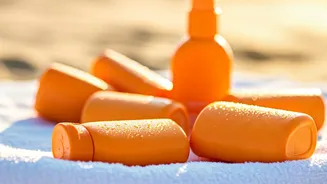
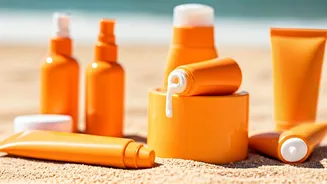
Transitioning your skincare for summer means making conscious product choices that cater to increased heat and humidity. If your winter routine relied on rich, creamy formulations for dry skin, summer calls for a shift towards lighter, water-based alternatives, especially for those with oily complexions. When selecting sunscreen, aim for a gel-based formula with an SPF of 30 for indoor protection and SPF 50 for outdoor activities, ensuring it's sweat-resistant to remain effective. Reapplication is non-negotiable; most sunscreens offer optimal protection for only two to three hours, so frequent touch-ups are vital to prevent unwanted tanning and sun damage. Forgetting to reapply sunscreen is a common oversight that can undo all your efforts, so make it a habit to refresh your protection regularly throughout the day, particularly after sweating or swimming.
Haircare Amidst Heat
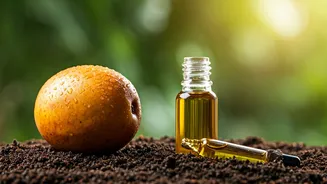
Protecting your hair during summer is as critical as safeguarding your skin, especially since hair lacks a direct 'sunscreen' equivalent. The warmer months often trigger increased oil production on the scalp, leading to conditions like seborrheic dermatitis or fungal infections. Traditional practices of oiling hair can exacerbate these issues during this period. It's important to maintain adequate levels of essential vitamins, particularly Vitamin D and B12. While a deficiency in B12 can contribute to hair fall, Vitamin D plays a significant role in stimulating the hair's active growth phases. Beyond supplements, topical treatments like peptides can be beneficial in promoting hair growth. Adjusting your hair washing frequency is key; shampooing more often than you would in cooler months helps manage scalp oiliness and prevent buildup. Incorporate an anti-dandruff shampoo or one containing ingredients like niacinamide or ketoconazole at least once a week. If your routine involves frequent sweaty workouts, be vigilant for dry or itchy scalp patches and address them promptly.
Protecting Strands Outdoors
Beyond product application, simple physical barriers are highly effective in protecting your hair from the detrimental effects of the summer sun. Extensive research indicates that UV radiation can damage hair follicles, disrupt the cuticle structure, and negatively impact overall hair growth. Therefore, it is strongly recommended to shield your hair from direct sunlight by using accessories like bandanas or scarves. If hats or caps are your preference, ensure they are kept clean and washed regularly to prevent the transfer of sweat and dirt back onto your scalp and hair, which could otherwise lead to irritation or infections.
Summer Self-Care Kit
As summer arrives, assembling a kit of essential self-care items is a practical step whether you're planning a getaway or staying put. Curated recommendations from dermatologists and skincare experts include key items to keep your skin and hair in top condition. This essential collection should feature protective headwear like a scarf, bandana, or hat. Include a refreshing face and hair mist to combat dryness and heat. A gel-based overnight mask can provide deep hydration, complemented by an LED face mask for advanced skin rejuvenation. A wide-toothed comb is crucial for gentle detangling, especially when hair is more vulnerable. For skincare, a niacinamide-rich face serum is beneficial, with added salicylic acid for those prone to acne. A high SPF 50 sunscreen, preferably in a spray format for easy application, is non-negotiable. Finally, an exfoliating shampoo containing ingredients like glycolic acid or niacinamide will help maintain a healthy scalp.