




Early Influences Shaping Fashion
The genesis of fashion lies in humanity's innate need for self-expression and protection. Historically, garments served as a practical shield against the
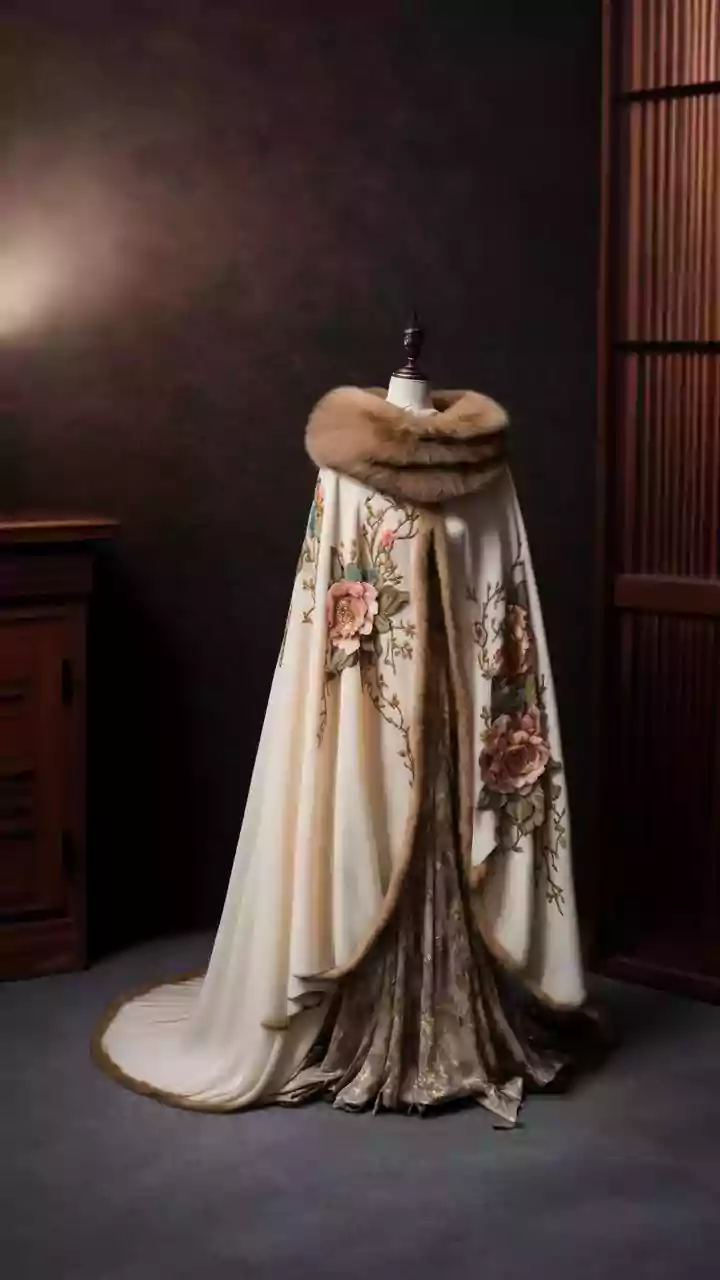
elements, but gradually, they evolved to symbolize social status and cultural identity. Early civilizations like ancient Egypt and Greece employed clothing to denote rank and spiritual beliefs. The availability of resources and advancements in textile production, such as the invention of looms and the discovery of new dyes, significantly influenced the designs and availability of clothing. The Renaissance and subsequent periods brought forth intricate tailoring and the rise of fashion centers, establishing the foundations for the modern fashion industry.
Fashion's Cultural Tapestry
Fashion is intrinsically linked to culture, acting as a mirror reflecting societal norms, values, and artistic expressions. Movements in art, music, and social ideologies often manifest themselves in clothing trends. The 1920s saw the flapper style emerge, symbolizing liberation and breaking away from restrictive Victorian norms. Similarly, the hippie movement of the 1960s embraced free-flowing silhouettes and vibrant colors, representing a rejection of mainstream culture and a call for peace. The influence of globalization has also been immense, leading to a fusion of styles from different parts of the world. Traditional garments from various cultures are often reinterpreted in contemporary fashion, creating diverse and inclusive styles.
Technological Revolution in Fashion
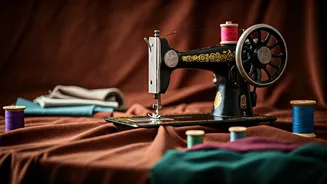
Technology has had a transformative impact on the fashion industry, revolutionizing design, production, and distribution processes. The advent of the sewing machine in the 19th century significantly increased the speed and efficiency of garment manufacturing. Today, digital technologies, such as Computer-Aided Design (CAD) software, allow designers to create intricate patterns and visualize designs in 3D. The rise of e-commerce and social media has reshaped how fashion is consumed, making trends instantly accessible globally. 3D printing is also emerging as a game-changer, enabling the creation of customized garments and accessories. These technological advancements have not only accelerated the pace of fashion but also democratized its access and created opportunities for greater innovation.
Sustainable Fashion Practices
In recent years, there has been a growing emphasis on sustainability within the fashion industry. Concerns about the environmental impact of textile production and waste have led to the rise of eco-friendly practices. Sustainable fashion focuses on minimizing the use of resources, reducing waste, and promoting ethical labor practices. This includes the use of organic and recycled materials, water-efficient dyeing processes, and fair wages for garment workers. Consumers are also becoming more aware of the environmental and social costs of fast fashion, opting for brands that prioritize sustainability and transparency. The move towards circular fashion, where garments are designed for reuse, repair, and recycling, represents a significant shift towards a more responsible fashion system.
Fashion's Future Directions
The future of fashion is likely to be characterized by greater diversification, inclusivity, and adaptability. As society evolves, fashion will continue to reflect changing social values and cultural identities. We can anticipate further integration of technology, with wearable tech, personalized design, and virtual fashion playing increasingly important roles. The industry will need to navigate challenges such as addressing overproduction, promoting diversity in representation, and ensuring ethical sourcing. Embracing creativity and experimentation, while prioritizing sustainability and inclusivity, will be key to shaping a future where fashion is a force for positive change.