


Ingenuity Amidst Scarcity
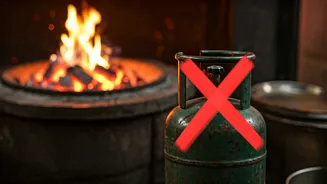
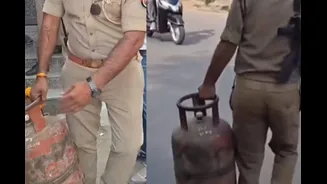
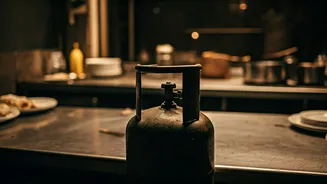
The current scarcity of Liquefied Petroleum Gas (LPG) cylinders across India is compelling households to find novel solutions for their daily cooking needs.
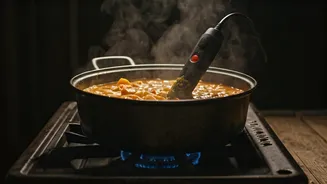
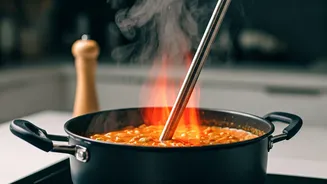
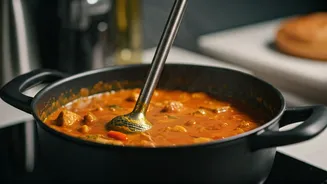
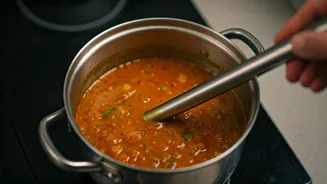
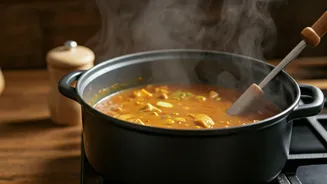
In a striking example of this adaptation, a video emerged on Instagram, shared by a project manager, showcasing an unusual cooking technique. The clip, captioned with "Gas gone, heat rod on." and the single word "Technologia," depicts a man in his kitchen. Instead of using a conventional gas stove, he places a pot on the burner but proceeds to immerse an electric heating rod directly into the curry simmering within. The video then shows the curry gradually heating and cooking, demonstrating a resourceful, albeit unconventional, response to the lack of gas. This situation underscores how necessity truly drives innovation, pushing individuals to explore methods beyond the intended purpose of common household appliances, with immersion rods typically being designed for heating water rather than food preparation.
Online Reactions & Warnings
The viral video of curry being cooked with an immersion rod predictably ignited a firestorm of reactions across social media platforms, attracting a spectrum of responses from amusement to significant apprehension. Many users found humor in the situation, with one commenting, "Minto ka kaam ghanto mai" (meaning 'minutes' work done in hours'), a playful jab at the perceived efficiency. However, a more serious undercurrent of concern quickly surfaced. Several individuals pointed out the inherent dangers, with one user cautioning, "Immersion rods are designed for heating water for bathing or cleaning, not for direct food preparation. This can cause severe stomach infections." Another commenter echoed these safety worries, advising, "Don’t eat food cooked in this style; this heater leaves residue after using for a while, so think before you act and always cook food on gas or with our primary Indian style by burning wood." A lighter, nostalgic remark also appeared, comparing the scene to "People before the induction stove was invented," harkening back to earlier cooking technologies.
Household Coping Strategies
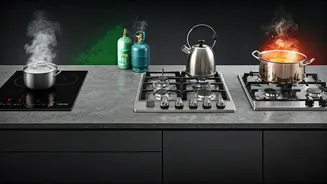
This striking video offers a magnified glimpse into the broader adaptive strategies being employed by Indian households grappling with the widespread LPG scarcity. As gas cylinders become increasingly difficult to obtain, families are actively exploring and adopting a variety of alternative cooking methods to ensure meals are prepared. These alternatives range from traditional wood-fired stoves, which rely on readily available biomass, to modern electric appliances that offer a different form of powered cooking. In some instances, the strategy involves a shift towards simpler, no-cook meals that require minimal or no heat at all, further reducing reliance on conventional cooking fuels. This collective effort to manage the cooking crisis highlights the resilience and resourcefulness of communities when faced with significant logistical challenges in their daily lives.
Shifting Meal Habits
Beyond the methods of cooking, the ongoing fuel shortage is also prompting significant shifts in dietary habits and meal planning. Families are increasingly prioritizing dishes that demand less cooking time, aiming to conserve fuel and simplify meal preparation. This inclination towards quicker meals means that even common beverages like tea might be substituted with faster alternatives, such as simple lemon water, to save on energy expenditure. The overarching trend is a move towards efficiency and conservation in the kitchen, driven by the necessity of making do with limited resources. This adjustment in daily routines, from cooking techniques to the very composition of meals, reflects a profound impact of the LPG shortage on the everyday lives and eating patterns of numerous households across the country.