



The 'Frozen' Face Myth
Mini Mathur's candid account of a past Botox experience highlights a common concern: the fear of losing facial expressiveness. She described feeling unable
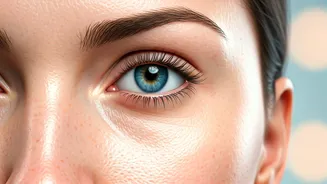
to convey sadness, despite her efforts, due to the treatment's effect. Dermatologists clarify that while a 'frozen' appearance is possible, it's not an inherent outcome of Botox. This less desirable result typically stems from either an overly generous dosage or imprecise injection placement. The primary aim of a skilled practitioner is to soften visible lines and wrinkles, not to completely immobilize facial muscles, ensuring that natural movements like smiling, frowning, or conveying emotions remain largely unaffected. Therefore, achieving smoother skin without sacrificing genuine expression is achievable with the right approach and professional expertise.
Personalized Treatments
Achieving a youthful appearance while preserving natural facial movements is a delicate balance in aesthetic dermatology. Each individual's facial musculature is unique, meaning that treatment plans must be meticulously tailored to the person. Innovative approaches, such as 'Baby Botox' or micro-dosing, are gaining traction for their ability to provide subtle yet effective results. These methods involve using smaller amounts of the neurotoxin, strategically placed to relax muscles that contribute to unwanted lines, without inhibiting the ability to express emotions naturally. The objective is not to create a rigid or mask-like effect, but rather to refine and enhance, ensuring that the face can still convey a full range of feelings authentically.
Longevity and Factors
The duration of Botox results, often around three to four months, is a common timeframe, though individual experiences can vary. Several factors influence how long the effects last, including a person's metabolic rate, the inherent strength of their facial muscles, and their lifestyle habits. Individuals with more dynamic facial expressions or faster metabolisms might notice the effects diminishing sooner compared to those with less active muscle usage or slower metabolisms. Interestingly, consistent and regular treatments might contribute to slightly extended results over time, as the muscles can potentially adapt and require less frequent intervention. This suggests that a well-maintained treatment schedule could lead to longer intervals between subsequent sessions.
Alternative Avenues
For individuals who are hesitant about Botox due to experiences like Mini Mathur's or general concerns about immobility, several alternative aesthetic treatments are available. These options focus on achieving subtle, natural-looking enhancements without impacting facial muscle movement. Dermal fillers are effective for restoring lost volume and plumping up the skin. Procedures like microneedling and chemical peels are excellent for improving skin texture and reducing superficial imperfections. Laser treatments can target fine lines and wrinkles, while skin boosters are designed to enhance hydration and impart a radiant glow. Beyond these procedures, a robust daily skincare regimen incorporating sunscreen, retinoids, and antioxidants plays a crucial role in delaying the visible signs of aging and maintaining skin health.