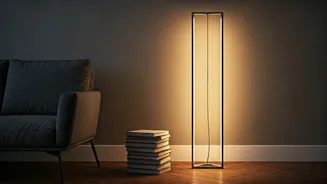


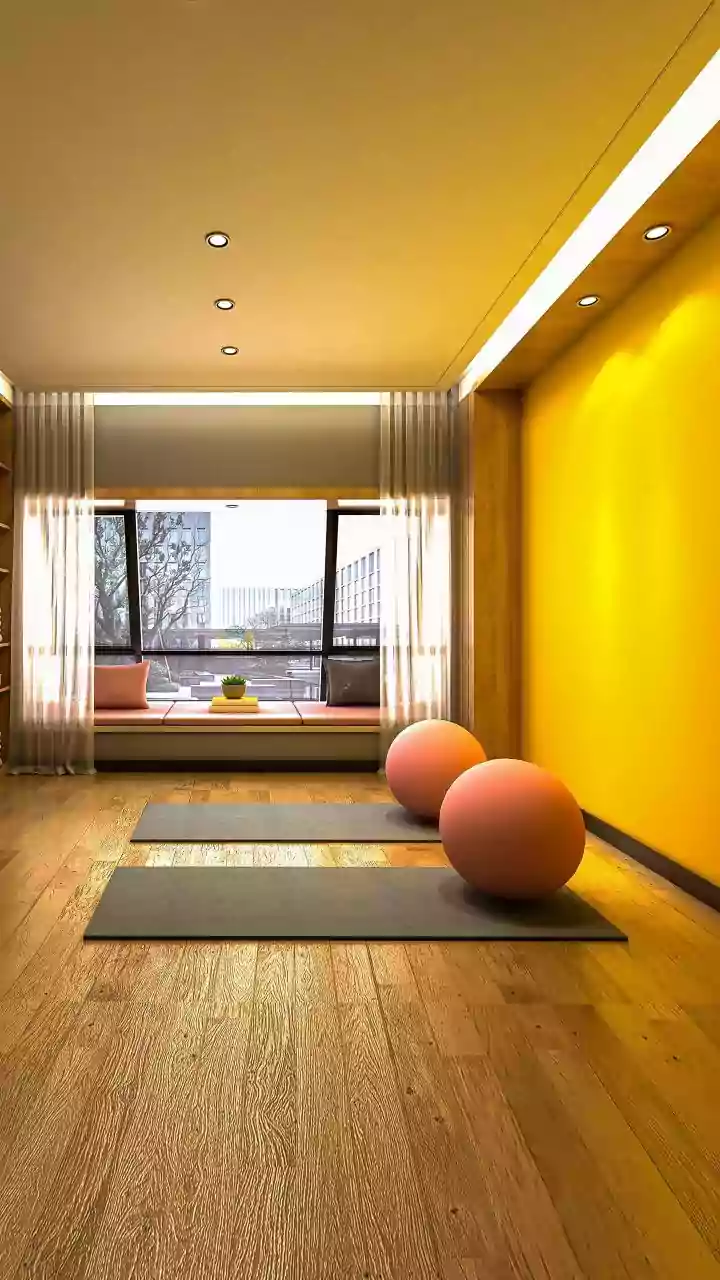




Light's Biological Connection
Lighting is evolving beyond mere illumination; it's now recognized as a crucial element for physiological and visual appropriateness in our living spaces.
Modern lighting technology, including highly efficient LEDs and advanced control systems, provides the tools to create responsive environments. However, the effective application of this technology is key. Human-centric lighting requires meticulous planning, including correct lux levels, excellent color rendering, effective glare management, and precise fixture placement. Without this careful approach, even high-end lighting installations can fail to deliver optimal comfort. Light is increasingly seen as a vital nutrient for our bodies, as essential as adequate sleep or proper nutrition. Innovations like tunable LED systems can adjust color temperature and brightness throughout the day, boosting alertness in the morning and promoting melatonin production in the evening, thus supporting natural sleep cycles. Integrated with the Internet of Things (IoT), lighting can dynamically respond to occupancy, ambient daylight, and user habits. Full-spectrum systems designed to mimic natural sunlight are finding their way into healthcare and office settings, demonstrating measurable improvements in mood and cognitive function, particularly for those experiencing conditions like Seasonal Affective Disorder. The future of lighting lies in integrating design intelligence, technical precision, and contextual planning to create lighting ecosystems that genuinely enhance the human experience within a space.
Regulating Human Performance
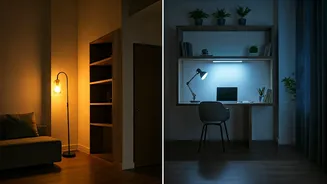
For a considerable period, lighting in Indian homes and commercial settings was treated as an afterthought, a decorative layer added after major design decisions were finalized. This perspective is no longer tenable, given current lighting science and evolving user expectations. Today, lighting is a potent design force that dictates the appearance, feel, and functionality of a space. Light has a direct impact on human physiology, mood, and behavior, influencing not just our ability to see but our overall experience. As Indian lifestyles become more concentrated in urban environments and increasingly spent indoors, lighting choices are becoming a more strategic and fundamental component of contemporary design. Research in chronobiology definitively shows that our bodies react directly to light exposure. The human circadian system relies on variations in light intensity and color temperature to manage sleep-wake cycles, alertness levels, hormone secretion, and cognitive performance. Exposure to bright, cooler light during the morning hours can significantly improve focus. Conversely, warmer, dimmer light in the evening serves as a signal for the body to prepare for rest. When indoor environments fail to acknowledge and support this natural rhythm, the consequences can include chronic fatigue, disrupted sleep patterns, and heightened stress levels. This isn't an abstract concern; it's a tangible issue increasingly reflected in urban populations reporting persistent tiredness, even when they believe they're getting enough sleep. The failure to align indoor lighting with natural biological rhythms has tangible, negative impacts on daily well-being and performance.
Calming, Connecting Spaces
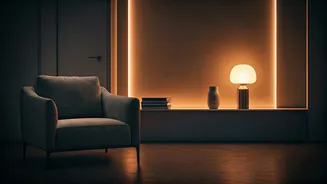
Often, the challenge with interior lighting isn't a lack of brightness, but rather an issue with its calibration and distribution. Excessive glare, stark contrast ratios between light and shadow, and uniformly illuminated ceilings can force the eyes and brain into a state of constant adjustment, leading to mental fatigue. People often equate comfort with simply having a brightly lit room, but true comfort arises from a balanced approach involving controlled luminance, precisely directed light beams, and thoughtful layering of light sources. When these elements are harmoniously integrated, a space not only appears visually enhanced but also feels effortlessly comfortable and mentally soothing. While individuals may not be able to pinpoint the exact technical reasons, they intuitively sense a reduction in eye strain and mental exertion. The influence of light extends far beyond basic visibility. Consider the striking example from Japan, where the East Japan Railway Company implemented blue LED lights at the ends of train platforms along the Yamanote Line in 2009. This initiative was specifically designed to deter suicide incidents. A comprehensive, peer-reviewed study analyzing a decade of data across 71 stations revealed a significant reduction in platform suicides, estimated at approximately 84%. Crucially, there was no evidence that individuals simply relocated their attempts to nearby, unlit stations. Researchers attribute this profound effect to the calming and mood-regulating properties of blue wavelengths. Similar strategies have since been adopted in public transit systems in Scotland, England, Belgium, and New York, underscoring the potent capacity of light to influence human emotions, even in situations of extreme distress. This demonstrates that light is far more than a utility for seeing; it is a powerful tool for shaping emotional states and influencing behavior on a fundamental level.
Human-Centric Market Shift
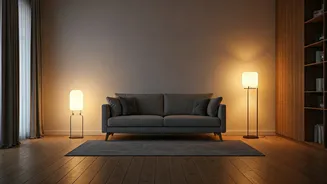
The Indian market, particularly in the premium residential, hospitality, and commercial sectors, is undergoing a significant transformation in how lighting is perceived and implemented. Clients are now posing more informed questions about lighting design, and architects are increasingly incorporating circadian rhythm principles into their early design stages. Developers are recognizing that the quality of lighting directly impacts the perception of luxury and the overall well-being of occupants. This year marks a pivotal transition from a utility-driven approach to one that prioritizes human-centric lighting. Several key design responses are driving this fundamental shift in the industry. These include the adoption of layered lighting schemes, moving away from single-source illumination towards more nuanced and adaptable arrangements. There's a greater emphasis on using indirect lighting and fixtures designed for superior glare control to enhance visual comfort. Tunable white systems, capable of adjusting color temperature to align with the time of day, are becoming standard. Furthermore, scene-based controls are being integrated to support diverse use cases within the same space, allowing for dynamic adjustments based on specific activities or moods. This evolution signifies a move towards lighting solutions that are not just functional but actively contribute to a healthier, more responsive, and more enjoyable built environment.