




The Hard Water Culprit
Many assume their hair woes stem from ineffective shampoos or styling blunders, but the reality often lies with the water flowing from your tap. Hard water,
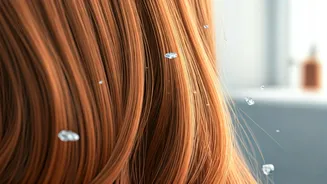
characterized by a high concentration of dissolved minerals like calcium and magnesium, is a stealthy saboteur of hair health. When you wash your hair in hard water, these minerals deposit onto your strands, forming a persistent buildup. This mineral coating acts as a barrier, preventing essential moisture and beneficial ingredients from your conditioners and treatments from penetrating the hair shaft. Consequently, your hair becomes parched, brittle, and prone to breakage. This accumulation doesn't just leave your hair feeling dry; it can also impart a dull, gummy texture, hindering your efforts to achieve that coveted healthy, vibrant look. The constant mineral assault can make even the most diligent hair care routines seem futile, leaving you frustrated and questioning your product choices.
Impact on Hair Health
While the notion of hard water causing direct hair loss is largely a myth, its impact on hair strength is undeniably severe. The continuous mineral buildup weakens the hair shaft, making it exceptionally fragile and susceptible to breakage. This breakage, especially when it occurs close to the scalp, can create the illusion of thinning hair, even though actual hair loss isn't occurring. This means that while you might not be going bald, your hair is suffering significant damage that diminishes its overall volume, shine, and resilience. The compromised hair structure makes it difficult for hair to withstand everyday styling and environmental stressors, leading to a cascade of damage that further exacerbates dryness and brittleness. Addressing hard water issues is therefore crucial for maintaining the integrity and aesthetic appeal of your hair.
Effective Treatment Strategies
To combat the effects of hard water and truly restore your hair's vitality, a multi-pronged approach is recommended. Firstly, investing in a high-quality shower head filter is paramount. These filters are specifically engineered to capture calcium, magnesium, and chlorine, significantly reducing their presence in your shower water before they can affect your hair. While an initial investment, it's a direct and effective solution that tackles the root cause of the problem. Complementing the filter, the regular use of a clarifying shampoo is essential for removing existing mineral deposits. These potent cleansers break down the stubborn buildup, but due to their strength, they should be used sparingly, perhaps once a week or every two weeks for finer hair types, to avoid stripping natural oils. Incorporating hair cycling, where you alternate between clarifying, moisturizing, and daily-use shampoos, helps maintain cleanliness without compromising hydration. Deep conditioning treatments, rich in ingredients like shea butter and argan oil, are non-negotiable for replenishing lost moisture and rebuilding hair strength. Finally, a small amount of mineral oil applied to mid-lengths and ends after conditioning can seal in hydration and prevent moisture loss, acting as a protective barrier against environmental dryness.
Rethinking Your Routine
The temptation to constantly buy new hair products in search of a miracle cure for dryness is understandable, but often misguided. Layering more products onto hair already burdened by mineral buildup is counterproductive, essentially greasing a barrier that prevents hair from absorbing moisture. Instead of accumulating more potions, focus on addressing the foundational issue: your water quality. If a shower head filter isn't immediately feasible, consider a final rinse of your hair with bottled or distilled water; while it might seem unconventional, it's a cost-effective way to counteract mineral exposure. Furthermore, refine your hair care techniques. Ensure you're properly emulsifying your shampoo and allowing conditioner to sit for a sufficient duration to work effectively. Lastly, prioritize scalp health. A healthy scalp is the bedrock for strong, resilient hair growth, and neglecting it can hinder recovery from hard water damage. By shifting focus from product quantity to water quality and proper technique, you can achieve lasting results without unnecessary expenditure.