





Ancient Greens, Modern Power
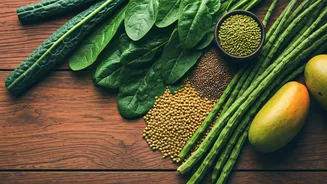
Forget imported trends; some of the most potent nutritional allies are right from our kitchens. Traditional Indian leafy greens like spinach, fenugreek
(methi), bathua, sarson, and even kale are powerhouses of essential nutrients. They are rich in iron, vital for combating fatigue and weakness common in women, calcium for bone strength, folate crucial for cellular health, and a spectrum of antioxidants that bolster immunity. These are especially beneficial for women navigating hormonal shifts or experiencing iron deficiency. Including these greens in everyday meals – be it dals, soups, parathas, or sabzis – is an effortless way to significantly boost nutrient intake without a drastic diet overhaul. The Indian Council of Medical Research (ICMR) consistently emphasizes their role in preventing micronutrient deficiencies, making them a cornerstone of daily nutrition.
The Gut Health Connection
Many women accept digestive discomforts like bloating, acidity, and constipation as normal, but the gut's influence extends far beyond digestion. A healthy gut microbiome is intrinsically linked to a robust immune system, stable mood, clear skin, efficient metabolism, and even quality sleep. Modern lifestyles, characterized by stress and erratic eating patterns, can disrupt this delicate balance. This is where probiotic-rich foods become indispensable. Consuming options like homemade curd, yogurt, and buttermilk actively supports digestion and nurtures beneficial gut bacteria. A simple bowl of curd with lunch or a glass of buttermilk on a warm day can make a significant difference in maintaining gut health. Fermented foods are generally easier to digest than highly processed snacks. Research suggests that regular inclusion of probiotics in a balanced diet can enhance digestive and immune functions.
Fueling Mom's Demands
The relentless demands on mothers – from professional tasks and school runs to household management and emotional caregiving – often lead them to neglect their own nutritional needs. Skipping meals, inadequate water intake, and compromised sleep can manifest as persistent fatigue, mood swings, weakened immunity, and a general sense of exhaustion that caffeine cannot resolve. This Mother's Day, let's shift the focus from material gifts to the vital importance of nourishment that sustains women through all life stages. Optimal nutrition is not about expensive supplements; it often lies in the simple, wholesome foods readily available in Indian households. Proper nutrition is key to maintaining energy levels, regulating hormonal systems, fortifying the immune system, and achieving peak health, enabling women to better manage stress and their multifaceted roles.
Small Habits, Big Impact
Mothers often form the emotional bedrock of a family, but this strength is deeply connected to their physical wellbeing. Consistently running on low nutritional reserves eventually takes a toll. The practice of making small, consistent dietary modifications can yield significant and observable results over time. These nutritional practices empower mothers to better care for themselves and their families. The path to better health doesn't always necessitate radical changes; it can start with simple, everyday actions. Think of soaking almonds for your morning tea, enjoying homemade curd with lunch, adding an extra portion of greens at dinner, or ensuring adequate water intake throughout the day. These small, repeated habits are powerful acts of self-care and self-respect.
Seasonal Fruits, Daily Vitality
It's a common scenario for mothers to prioritize their children's fruit intake, often leaving little for themselves. However, seasonal fruits are not a mere indulgence but a vital source of everyday nutrition. Fruits like papaya, oranges, berries, pomegranate, guava, watermelon, mangoes, and amla are brimming with essential vitamins, antioxidants, hydration, and natural sugars that help the body combat daily stress. Unlike processed snacks, fruits offer fiber alongside their sweetness, promoting satiety and aiding digestion. Regular consumption of fresh, seasonal fruits enhances the immune system, promotes skin health, and fights oxidative damage. Furthermore, eating seasonally connects us to familiar tastes and memories of home, making sustained healthy eating more enjoyable and culturally relevant.
Millets, Grains, and Hydration
The resurgence of millets in Indian kitchens is well-deserved, offering a superior alternative to refined carbohydrates. Unlike processed grains that cause rapid energy spikes and subsequent crashes, whole grains like ragi, bajra, jowar, oats, and brown rice provide sustained energy release thanks to their rich fiber and mineral content. These foods are instrumental in helping mothers avoid the cycle of exhaustion and constant snacking that often accompanies busy schedules. Beyond grains, adequate hydration is equally critical. A combination of coconut water, herbal teas, and plain water consumption significantly contributes to better digestion, sustained energy, and healthy skin. Many women habitually ignore thirst, but even mild dehydration can impair concentration, mood, and energy levels, underscoring the importance of consistent fluid intake throughout the day.
Nuts and Seeds Powerhouse
There's a reason ancestral wisdom often included soaked nuts as a morning ritual. Nuts and seeds are incredibly accessible superfoods, easily incorporated into a busy day with minimal preparation. Almonds, walnuts, flaxseeds, chia seeds, and pumpkin seeds are packed with beneficial fats, protein, magnesium, fiber, and antioxidants. These nutrients are crucial for maintaining heart health, supporting cognitive function, regulating hormonal balance, and providing lasting energy. For mothers constantly juggling multiple responsibilities, this sustained nutritional support is invaluable. A small handful of mixed nuts can act as an effective bridge between meals, preventing the energy dips that often lead to unhealthy snacking later on. Research has consistently linked regular nut consumption with improved cardiovascular health and reduced inflammation.