



Coneflower Carefree Blooms
For those aiming for a flourishing garden without the chore, coneflowers are an excellent starting point. The narrow-leaf variety (Echinacea angustifolia)
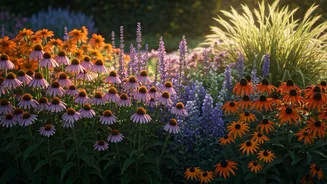
is particularly suited for arid regions, demonstrating remarkable drought tolerance and a preference for nutrient-poor, dry soil, requiring very little attention. Its delicate purplish blossoms are a magnet for pollinators like bees and butterflies, naturally bringing vibrant life to your outdoor space. On the other side of the country, or in areas with more consistent rainfall, the purple coneflower (Echinacea purpurea) performs admirably in slightly moister conditions. Regardless of the specific type, these plants offer abundant, striking flowers from May through October with minimal intervention, making them a reliable choice for effortless beauty.
Black-Eyed Susan Charm
Consider Black-Eyed Susans (Rudbeckia) your garden's cheerful and dependable companion, much like golden retrievers in the canine world. These flowers are renowned for their resilience and ease of cultivation, consistently delivering bright yellow blooms that light up the landscape in late summer and early fall, a time when many other plants begin to fade. While they may not live for an exceptionally long time as perennials, they possess an excellent ability to self-seed. This means they will readily propagate on their own, ensuring a continuous display of their sunny faces year after year without you needing to replant them. Their reliable return makes them a low-fuss, high-reward addition to any garden setting.
Lavender's Aromatic Appeal
Lavender offers much more than just its coveted fragrance for candles. Cultivating this herb is surprisingly straightforward, far simpler than its association with wellness trends might suggest. Lavender thrives in conditions that are easy to replicate: abundant direct sunlight, well-draining soil, and a distinct aversion to overwatering. Once established, its fragrant purple spires flourish from May until October, infusing your garden with its signature calming scent. Beyond its aesthetic appeal and aroma, lavender is remarkably versatile; its flowers can be harvested, dried, and utilized in culinary dishes or simply left to adorn the garden. Interestingly, research indicates that drought stress can actually enhance the quality and concentration of lavender's essential oil, making the plant more potent. As a Mediterranean native, it's perfectly adapted to thrive in the drier summers common in many regions.
Yarrow's Versatile Growth
Yarrow (Achillea) stands out as a true overachiever in the realm of low-maintenance gardening, capable of blooming prolifically from June right through to the first frost in many climates. This adaptable plant showcases a remarkable tolerance for both dry and waterlogged soil conditions, flourishing under full sun without any signs of distress. Available in a spectrum of colours including yellow, pink, red, and white, yarrow is recognized as one of the most robust garden plants that also provides an extended period of blooms. Furthermore, yarrow is a significant attractant for pollinators. Its flowers contain specialized tissues that produce essential oils designed to lure bees and butterflies, and their petal structures are adapted to provide a stable landing platform for these beneficial insects, playing a crucial role in supporting declining bee populations.
Bishop's Hat for Shade
For those challenging shady spots in your yard, Bishop's Hat (Epimedium) emerges as an unparalleled choice. This plant is the benchmark for dry shade tolerance, requiring minimal attention throughout its long lifespan. It produces delicate spring flowers that complement its attractive foliage, which often transforms into beautiful autumnal colours. Essentially, Bishop's Hat offers the low-maintenance appeal of an indoor plant but thrives outdoors in the soil, diligently caring for itself without prompting. It’s an ideal solution for revitalizing neglected, shaded corners of the garden into areas of subtle beauty.
Stonecrop Water Forgetters
Stonecrop, commonly known as Sedum, is a succulent that warrants a place in both garden beds and containers, especially for those who tend to forget watering. This plant exhibits exceptional tolerance to heat and drought, making it incredibly forgiving. It comes in an extensive array of colors and sizes, offering diverse aesthetic possibilities. Varieties like 'Autumn Joy' are particularly noteworthy for their late-season appeal, producing clusters of pink blooms that continue to attract butterflies well into the fall. If your gardening history is marked by plant casualties, Stonecrop is an excellent and reliable option to begin with, promising success even for the most novice gardeners.