


Fashion as Power
In the professional sphere, clothing has long served as a potent non-verbal communicator, and this was powerfully illustrated by Miranda Priestly's commanding
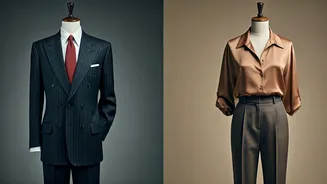
presence in "The Devil Wears Prada." Her sharp, directional tailoring and sophisticated neutral palettes in outerwear, accented with deep jewel tones, unequivocally signaled her editorial authority and decision-making prowess. This cinematic portrayal underscored how attire within corporate settings, particularly for women, becomes an intricate language of hierarchy, influence, and executive presence. Fashion choices in this context aren't merely about aesthetics; they are strategic tools that shape perceptions, foster trust, and convey clear intentions, thereby contributing significantly to an individual's professional standing and impact.
Indian Workwear Journey
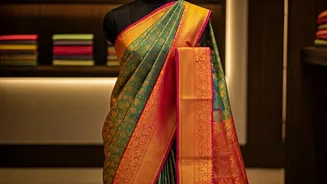
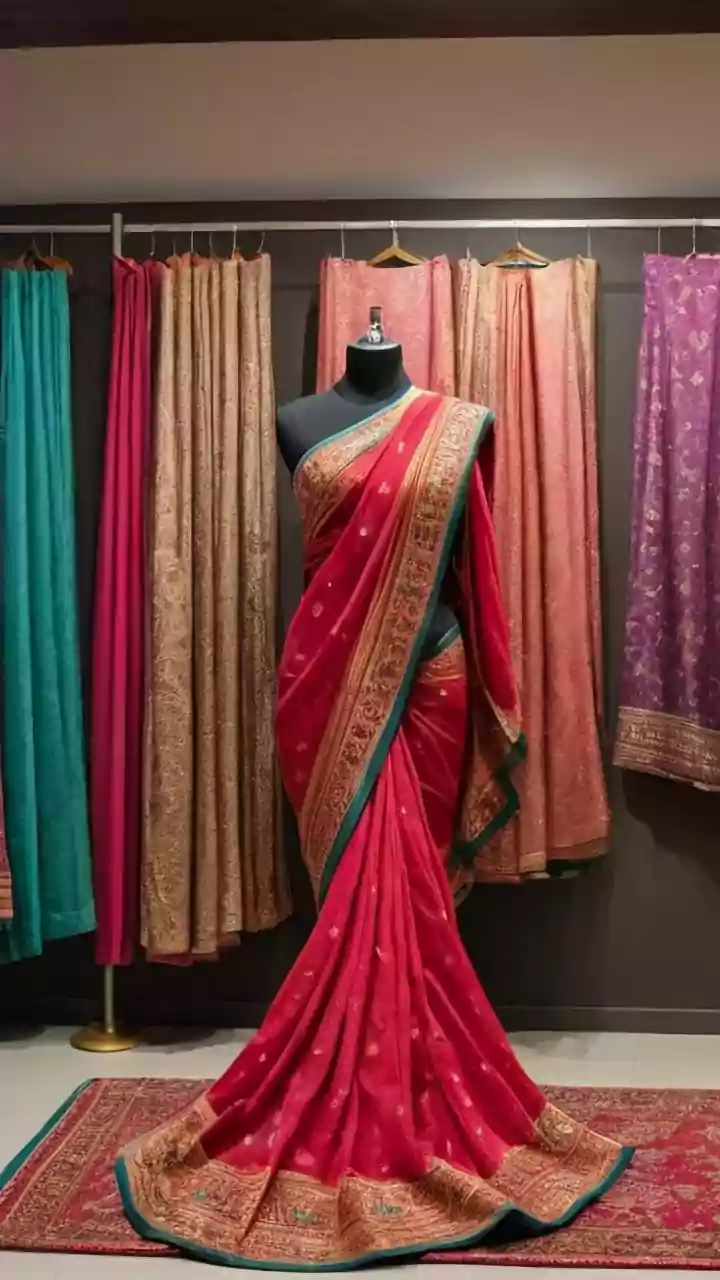
In India during the early 2000s, the concept of standardized corporate dressing was still nascent, creating a fashion landscape where the traditional saree often coexisted with Western ensembles. The available Western wear for women typically comprised either custom-tailored pieces or ready-to-wear options from general retailers. Brands began to emerge that specifically catered to professional women, with some laying the groundwork for a more defined workwear category. Initially, this involved a negotiation between conventional Indian attire and emerging Western professional wear, reflecting a gradual adaptation to global professional fashion norms while respecting local cultural preferences.
Dawn of Power Dressing
The period following 2010 marked a significant evolution in the understanding and adoption of "power dressing" for Indian professional women. While "The Devil Wears Prada" had earlier established the idea that dressing could convey authority and hierarchy, the subsequent decade saw a crucial shift towards recognizing and expressing authority through a more individualized approach. The focus moved from merely projecting power to cultivating a distinct personal brand that aligned appearance with one's professional role, target audience, and specific environmental context. This era emphasized that true professional strength could be communicated through the clarity and authenticity of one's personal style, moving beyond the strict dictates of traditional corporate attire.
Future of Professional Style
Anticipating future trends, platforms like WGSN suggest the rise of "city dressing," a style that elegantly bridges the gap between office wear and understated luxury. Concurrently, other trend analyses point towards the growing importance of adaptable and fluid wardrobes that can seamlessly transition between professional and personal spheres. This indicates a potential move away from rigid dress codes towards a more intentional and personal approach to professional presentation, prioritizing subtle sophistication and thoughtful styling to project confidence. Even as Western trends evolve, the saree is expected to retain its significant place in the Indian corporate wardrobe, adapting in fabric, draping, and styling while continuing to represent authority and cultural heritage.