






The Allure of Fuller Hair
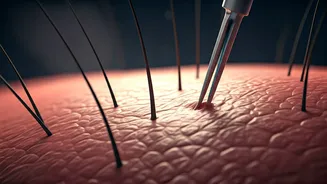
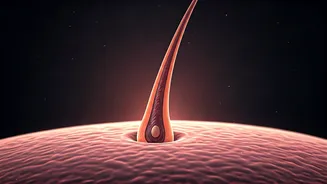
The pursuit of a thicker, more luscious head of hair has propelled hair transplantation into a global phenomenon, with millions seeking its transformative
power. Typically, the narrative surrounding these procedures is one of success, promising a revitalized appearance and boosted self-confidence after a relatively straightforward recovery. However, recent events have dramatically shifted this perception, revealing a completely unexpected and profoundly rare medical anomaly that has even seasoned experts baffled. This deviation from the usual post-operative experiences has introduced an element of profound uncertainty into what was once considered a predictable cosmetic enhancement.
An Unforeseen Complication
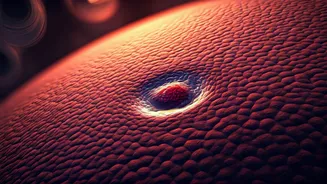
A recent hair restoration procedure, intended to be routine, took a bewildering turn during the recovery phase. The patient, who underwent a standard procedure with no pre-operative red flags, began exhibiting symptoms that deviated sharply from expected post-surgical reactions. Unlike common concerns such as scalp redness, minor swelling, or temporary hair shedding (known as 'shock loss'), this development presented as something entirely novel and uncatalogued. This emergent condition defied conventional medical understanding, prompting immediate investigation into its origins and mechanisms, as it represented a departure from all established protocols and patient outcomes.
Medical Community Stunned
The medical fraternity, accustomed to a wide spectrum of post-operative responses, found itself completely unprepared for this unprecedented event. Specialists in cosmetic dermatology, who have encountered a vast array of reactions from minor allergies to prolonged healing, had no existing framework to address this specific anomaly. Reports indicate that the attending physician expressed astonishment, noting that such a significant complication had never been documented in their extensive careers. This situation necessitates a complete reevaluation of established knowledge, prompting urgent research into potential causes, ranging from rare genetic predispositions and unusual reactions to local anesthetics to entirely new medical phenomena that require immediate global study and understanding.
Impact on the Industry
The hair transplant sector is experiencing unprecedented growth, with procedures becoming increasingly accessible and socially acceptable. What was once a procedure for a select few is now a common choice for many seeking aesthetic improvements. However, this extraordinary case serves as a stark reminder that no medical intervention, regardless of how routine it appears, is entirely risk-free. The human body's complexity and unpredictability mean that even well-established procedures can yield unexpected outcomes. While the statistical likelihood of experiencing this specific rare complication remains exceedingly low, it underscores the vital importance of selecting highly qualified and experienced surgeons who can adeptly manage unforeseen circumstances.