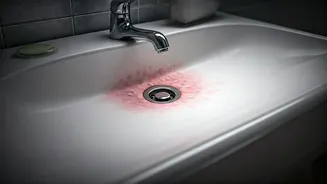







The Bacterial Deception
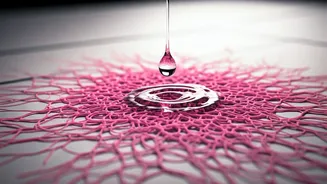
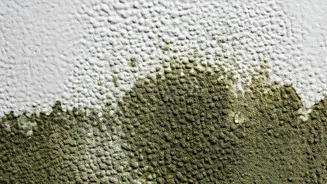
Many homeowners often mistake the persistent pinkish residue found in bathrooms for mould. However, this common bathroom nuisance is not a fungal growth
but a type of bacteria known as Serratia marcescens. This microorganism thrives in environments with consistent moisture and feeds on the remnants of soap and other toiletries that accumulate in damp areas like shower stalls, around sinks, and along grout lines. Its ability to proliferate in these conditions leads to the visible pink film that can be frustratingly difficult to eradicate completely. While generally not a serious threat to individuals with robust immune systems, it's worth noting that Serratia marcescens can potentially cause infections in those whose defenses are compromised, making regular and thorough cleaning a matter of both aesthetics and hygiene.
Why It Keeps Returning
The persistent return of these pinkish stains is largely due to residual film left behind after cleaning and the constant presence of moisture. Even after a seemingly thorough scrub, a microscopic layer of soap scum and other organic matter can remain on surfaces, providing a ready food source for Serratia marcescens. When this residue is combined with the humidity common in bathrooms, the bacteria quickly re-establish themselves, leading to the reappearance of the pinkish hue. This cycle underscores the importance of not just cleaning, but also ensuring surfaces are properly dried. The nature of bacterial biofilms, which are protective layers that adhere strongly to surfaces, also contributes to their tenacity. A quick wipe might remove the surface layer, but the underlying biofilm remains, allowing the bacteria to regrow.
Effective Cleaning Solutions
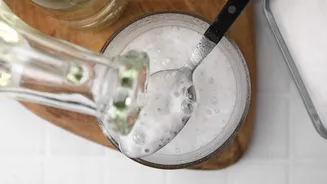
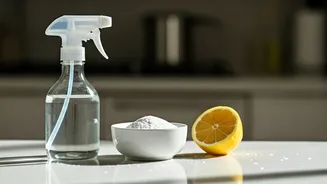
Fortunately, combating these bacterial invaders doesn't require specialized or harsh chemicals. Simple household staples can effectively tackle the problem. A common and effective solution involves a mixture of water and white vinegar. Spraying this solution generously onto the affected areas and allowing it to sit for a period before scrubbing can loosen the film. For more stubborn patches, a paste made from baking soda and dish soap can provide the necessary abrasive power without damaging bathroom surfaces. An old toothbrush is invaluable for reaching into nooks and crannies, such as grout lines and around faucet fixtures. The key to success lies in consistent application and allowing the cleaning agents adequate time to work, as well as diligently drying all surfaces after cleaning.
Prevention is Key
Beyond immediate cleaning, adopting a proactive approach is crucial for preventing the recurrence of Serratia marcescens. Regular cleaning is paramount; the aim should be to clean before the pink film becomes noticeable, rather than reacting to its appearance. Focusing on areas prone to water accumulation—such as around soap dispensers, the base of shower curtains, and within bathtub corners—will preemptively address potential breeding grounds. Equally important is the drying process. After using sinks or showers, making a habit of wiping down wet surfaces and ensuring good ventilation can significantly reduce moisture levels, creating a less hospitable environment for bacteria. Opening windows or using exhaust fans can help dissipate humidity. By incorporating these simple preventative measures into your routine, you can maintain a cleaner bathroom and avoid the ongoing battle with persistent pink stains.