

The Power of Green Tea
Your daily brew of green tea is more than just a morning pick-me-up; it's a potent source of epigallocatechin-3-gallate (EGCG), a powerful antioxidant.
Scientific research indicates that EGCG can effectively disrupt the chain of cellular events leading to excess melanin production. Furthermore, it possesses anti-inflammatory properties that help soothe skin irritated by UV exposure. To utilize its benefits, steep a green tea bag in hot water, allow it to cool completely, and then gently rub the damp tea bag over your dark spots. This can be repeated up to twice daily for optimal results, leveraging its inherent skin-brightening and calming capabilities to combat hyperpigmentation.
Aloe Vera's Soothing Touch
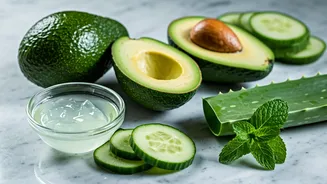
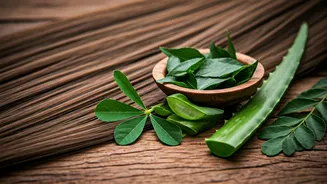
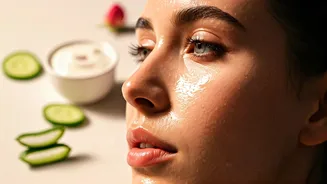
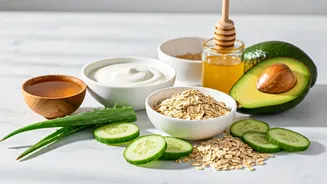
Renowned for its ability to calm sunburns, aloe vera also excels at evening out skin tone. Its efficacy stems from two key components: aloin and aloesin. Studies have demonstrated that these natural compounds actively inhibit tyrosinase, the critical enzyme responsible for melanin synthesis in the skin. The recommended application is straightforward: apply a thin layer of pure, unscented aloe vera gel directly to areas with pigmentation before bedtime. Allow the gel to absorb overnight and rinse your face with lukewarm water upon waking. This simple nightly ritual leverages aloe vera's properties to naturally lighten and balance your skin tone.
Licorice Root Brilliance
Beyond its sweet confectionery appeal, licorice root holds a esteemed position in skincare for its remarkable brightening effects. The active compound, glabridin, found in licorice root extract, is instrumental in blocking melanin production and alleviating blotchiness caused by sun exposure. While preparing raw licorice root at home can be cumbersome, readily available over-the-counter toners or serums featuring licorice extract as a primary ingredient offer a convenient alternative. Incorporating a product with licorice extract into your daily routine, applied once a day, can significantly contribute to fading sun-induced pigmentation and achieving a more uniform complexion.
Milk and Yogurt Magic
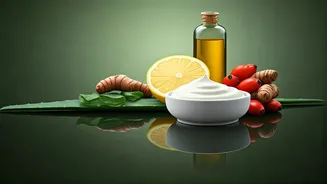
The ancient practice of milk baths hints at the skin-enhancing properties of dairy. The key ingredient is lactic acid, a gentle alpha-hydroxy acid (AHA) naturally present in milk, buttermilk, and yogurt. While dermatologists employ potent lactic acid for intensive chemical peels, the milder concentrations found in everyday dairy products offer a gentler approach to exfoliation. Lactic acid effectively dissolves dead, pigmented skin cells, revealing fresher, brighter skin beneath. For application, dab plain yogurt directly onto dark spots or use a milk-soaked cotton ball to swipe across your face, leaving it for 10-15 minutes. For added anti-inflammatory benefits, consider mixing a tiny pinch of turmeric into the yogurt before application.
The Post-Acne Hero: Soy
For individuals targeting the persistent dark marks left behind by acne breakouts, soy emerges as a highly effective solution. Soy contains specialized isoflavones and fatty acids that actively prevent melanin from migrating to the upper layers of the skin, thereby reducing the appearance of post-inflammatory hyperpigmentation. Incorporating soy into your skincare routine can be as simple as washing your face with unpasteurized soy milk or opting for a daily moisturizer that lists active soy as a key ingredient. This natural approach helps to diminish the visibility of acne scars and create a more even skin tone.